




No products in the cart.
new-14%On Sale
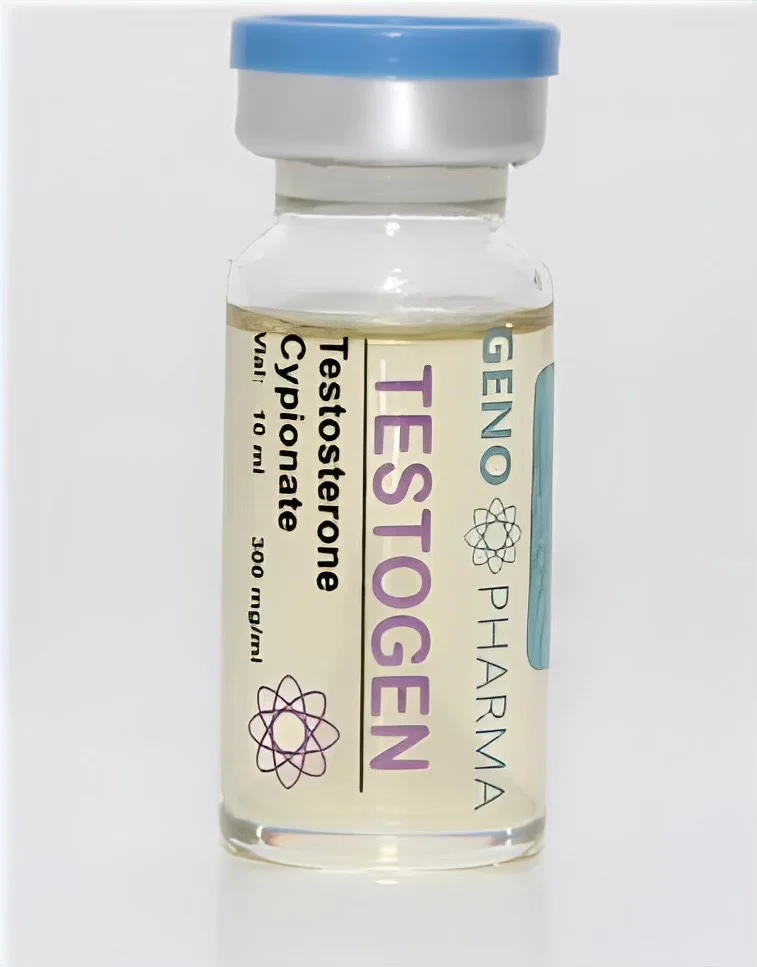
Testosterone Cypionate Injection 250mg 10 ml Geno
Testosterone Cypionate Injection 250 mg 10 ml by Geno Pharma is an oil-based injectable formulation containing 250 mg of testosterone cypionate per milliliter. Its long-acting ester provides a gradual and sustained release of testosterone, helping maintain stable hormone levels with less frequent administration. Each multidose vial contains 10 ml, providing a total of 2,500 mg of testosterone cypionate.
Original price was: 115.00$.99.00$Current price is: 99.00$.
Description
Testosterone Cypionate Injection: Uses, Dosage, Benefits, Side Effects, Cost, and Buying Guide
Testosterone cypionate injection is a long-acting prescription testosterone formulation used to replace testosterone in males with confirmed primary or hypogonadotropic hypogonadism. In the United States, current product labels list 100 mg/mL and 200 mg/mL oil-based solutions intended for intramuscular administration. Testosterone cypionate is also classified as a Schedule III controlled substance, so licensed pharmacies may dispense it only under applicable prescription requirements. (DailyMed)
A proper diagnosis involves more than identifying symptoms commonly associated with low testosterone. Clinical guidelines recommend confirming compatible signs or symptoms together with consistently low testosterone concentrations measured on two separate fasting mornings. Clinicians may also measure free testosterone when total testosterone is borderline or when conditions affecting sex hormone-binding globulin could make the total result misleading. (OUP Academic)
This guide explains how testosterone cypionate works, its FDA-approved uses, commonly referenced medical dosing schedules, available concentrations, injection frequency, expected treatment goals, and the factors patients should evaluate before obtaining a prescription or purchasing the medication from a licensed U.S. pharmacy.
Testosterone Cypionate Injection Quick Facts
| Feature | Key Information |
|---|---|
| Active Ingredient | Testosterone cypionate |
| Drug Class | Androgen and anabolic steroid |
| FDA-Labeled Route | Intramuscular injection |
| Common U.S. Strengths | 100 mg/mL and 200 mg/mL |
| Common Vial Sizes | 1 mL single-dose and 10 mL multiple-dose vials |
| Approximate IM Half-Life | Eight days |
| Primary Approved Use | Testosterone replacement in qualifying forms of male hypogonadism |
| Controlled-Substance Status | Schedule III |
| FDA-Labeled Dose Range | 50–400 mg every two to four weeks, individualized |
| Typical Guideline Starting Schedules | 75–100 mg weekly or 150–200 mg every two weeks |
| Prescription Required | Yes |
Current U.S. labels identify testosterone cypionate injection as an intramuscular-only product and describe an approximate eight-day half-life after intramuscular administration. The product is available from multiple manufacturers, so vial size, inactive ingredients, packaging, and National Drug Code can vary. (DailyMed)
What Is Testosterone Cypionate Injection?
Testosterone cypionate injection is an oil-soluble ester of testosterone. Manufacturers attach the cypionate ester to the testosterone molecule to slow its release after injection. The resulting medication forms a depot within the muscle, from which the esterified hormone gradually enters circulation.
After absorption, enzymes separate the cypionate ester from the hormone, releasing active testosterone. The ester primarily affects the medication’s absorption and release rate; it does not create a fundamentally different androgen after cleavage. This extended-release behavior allows testosterone cypionate to remain active much longer than unesterified testosterone or shorter-acting esters. (DailyMed)
The medication usually appears as a clear, pale-yellow to yellowish oil-based solution. A commonly listed formulation uses cottonseed oil as the carrier, benzyl benzoate as a solvent, and benzyl alcohol as a preservative. However, patients should always review the exact package insert because inactive ingredients can differ among manufacturers and presentations. (DailyMed)
Testosterone Cypionate vs. Testosterone Base
The concentration shown on a vial represents the mass of testosterone cypionate, including both testosterone and the attached ester. It does not represent the same mass of ester-free testosterone.
According to current labeling:
- 100 mg of testosterone cypionate is equivalent to approximately 69.9 mg of testosterone.
- 200 mg of testosterone cypionate is equivalent to approximately 139.8 mg of testosterone.
This distinction matters when comparing different esters. Two products containing the same stated milligram amount may not deliver exactly the same testosterone-base equivalent because each ester contributes a different molecular weight. (DailyMed)
How Does Testosterone Cypionate Injection Work?
Testosterone cypionate works by supplying exogenous testosterone to tissues that respond to androgen signaling. Its pharmacologic effect develops through several connected stages.
1. Intramuscular Depot Formation
The oil-based solution remains temporarily at the intramuscular injection site. Because testosterone cypionate is less polar than free testosterone, it moves gradually from the oil depot into the bloodstream rather than becoming available all at once. (DailyMed)
2. Ester Hydrolysis
Once testosterone cypionate enters circulation, esterases remove the cypionate side chain. This process releases active testosterone, which can bind to carrier proteins or circulate in an unbound form.
The prescribing information states that approximately 98% of circulating testosterone binds to testosterone-estradiol binding globulin and related plasma proteins, while a much smaller fraction circulates freely. The balance between bound and free testosterone influences distribution, tissue availability, and measured laboratory values. (DailyMed)
3. Androgen Receptor Activation
Testosterone enters responsive cells and interacts with intracellular androgen receptors. In several tissues, enzymes convert part of the testosterone to dihydrotestosterone, or DHT, which also binds strongly to the androgen receptor. The hormone-receptor complex moves into the cell nucleus and influences gene transcription associated with androgen activity. (DailyMed)
These effects contribute to the maintenance of:
- Male secondary sexual characteristics
- Libido and sexual function
- Muscle and fat distribution
- Bone health
- Red-blood-cell production
- Male reproductive and genital tissues
Testosterone also participates in protein metabolism, nitrogen retention, and erythropoiesis. The clinical significance of these effects depends on the patient’s baseline hormone status, dose, treatment duration, age, nutrition, health conditions, and laboratory response. (DailyMed)
4. Conversion to Estradiol
A portion of circulating testosterone undergoes aromatization to estradiol. Estradiol contributes to normal bone, sexual, and metabolic physiology in men, but excessive exposure may contribute to fluid retention, breast tenderness, or gynecomastia in susceptible patients.
Estradiol should not automatically be considered an unwanted byproduct. Reducing it without symptoms, appropriate laboratory interpretation, and medical justification can create new problems involving sexual function, mood, and bone health.
5. Suppression of LH, FSH, and Natural Testosterone Production
Exogenous testosterone creates negative feedback at the hypothalamic-pituitary-gonadal axis. This feedback reduces pituitary luteinizing hormone, or LH, which normally stimulates testosterone production inside the testes. Higher exposure can also suppress follicle-stimulating hormone, or FSH, and sperm production. (DailyMed)
For this reason, testosterone replacement does not preserve fertility in the same way as therapies designed to stimulate the testes. Men who want children in the near future should discuss fertility-preserving alternatives with an endocrinologist, urologist, or reproductive specialist before beginning treatment.
What Is Testosterone Cypionate Injection Used For?
The FDA-labeled indication for testosterone cypionate injection is replacement therapy in males with conditions associated with symptoms caused by deficient or absent endogenous testosterone.
Primary Hypogonadism
Primary hypogonadism originates within the testes. The prescribing information lists potential causes such as:
- Cryptorchidism
- Bilateral testicular torsion
- Orchitis
- Vanishing testis syndrome
- Surgical removal of the testes
- Other forms of testicular failure
In primary hypogonadism, testosterone is low because the testes cannot respond adequately to pituitary stimulation. LH and FSH are often elevated because the pituitary continues attempting to stimulate testicular hormone production. (DailyMed)
Hypogonadotropic Hypogonadism
Hypogonadotropic, or secondary, hypogonadism results from insufficient stimulation of the testes by the hypothalamus or pituitary gland. Potential causes include:
- Congenital gonadotropin deficiency
- Gonadotropin-releasing hormone deficiency
- Pituitary or hypothalamic tumors
- Head trauma
- Radiation
- Pituitary surgery
- Hyperprolactinemia
- Certain medications
- Severe systemic disease
LH and FSH may be low or inappropriately normal in secondary hypogonadism. Identifying the cause is important because some underlying conditions are reversible or require treatment beyond testosterone replacement. (DailyMed)
Is Testosterone Cypionate Approved for Age-Related Low Testosterone?
The current prescribing information states that safety and efficacy have not been established for men described as having age-related or late-onset hypogonadism. The Endocrine Society also recommends against routinely prescribing testosterone to every man aged 65 or older solely because of a low laboratory value. Treatment may be considered individually when compatible symptoms coexist with consistently and unequivocally low morning testosterone concentrations, following a discussion of potential benefits and risks. (DailyMed)
Is Testosterone Cypionate Approved for Bodybuilding?
No. Testosterone cypionate is not FDA-approved to increase athletic performance, improve physical appearance, accelerate bodybuilding results, or enhance strength in people without a qualifying medical indication.
The product label specifically states that the medication has not been shown to be safe and effective for athletic-performance enhancement. It also warns that abuse commonly involves doses exceeding approved medical recommendations, sometimes in combination with other anabolic-androgenic steroids, and can produce serious cardiovascular, endocrine, reproductive, hepatic, and psychiatric effects. (DailyMed)
Who May Qualify for Testosterone Cypionate Treatment?
A low testosterone result by itself does not automatically establish a diagnosis or justify an injection prescription. Symptoms can overlap with sleep disorders, depression, thyroid disease, medication effects, obesity, chronic illness, excessive calorie restriction, and other conditions.
The Endocrine Society recommends diagnosing hypogonadism only when a patient has both:
- Signs or symptoms consistent with testosterone deficiency
- Unequivocally and consistently low testosterone concentrations
Total testosterone should generally be measured on two separate fasting mornings. Free testosterone may provide additional value when total testosterone falls near the lower limit of normal or when obesity, diabetes, liver disease, thyroid disorders, aging, medications, or other factors alter sex hormone-binding globulin. (OUP Academic)
Potential symptoms and clinical findings can include:
- Reduced sexual desire
- Erectile dysfunction
- Loss of spontaneous erections
- Reduced energy
- Decreased muscle mass
- Low bone density
- Unexplained anemia
- Infertility
- Reduced testicular volume
- Depressed mood or difficulty concentrating
These findings are not specific to testosterone deficiency, which is why laboratory confirmation and investigation of the underlying cause remain essential.
Testosterone Cypionate Injection Dosage
Testosterone cypionate dosage must be individualized according to the diagnosis, baseline hormone concentrations, symptoms, age, response, adverse effects, injection interval, hematocrit, fertility plans, and relevant medical conditions.
FDA-Labeled Testosterone Cypionate Dosage
The prescribing information lists a broad replacement range of:
50–400 mg administered intramuscularly every two to four weeks.
This range reflects product labeling and does not mean every dose within it is suitable for every patient. The label directs clinicians to adjust therapy according to the individual’s response and the development of adverse reactions. (DailyMed)
Guideline-Based Starting Schedules
The Endocrine Society lists the following as typical starting schedules for testosterone enanthate or testosterone cypionate:
- 75–100 mg intramuscularly each week
- 150–200 mg intramuscularly every two weeks
These schedules are starting frameworks rather than fixed prescriptions. Treatment should aim to place testosterone within an appropriate mid-normal physiologic range while improving relevant symptoms and avoiding unacceptable adverse effects. (OUP Academic)
| Medical Dosing Reference | Dose and Interval | Important Context |
|---|---|---|
| Current U.S. Product Label | 50–400 mg every 2–4 weeks | Broad labeled range requiring individual adjustment |
| Endocrine Society Typical Starting Schedule | 75–100 mg weekly | Shorter interval may reduce extreme peak-to-trough variation |
| Endocrine Society Alternative Schedule | 150–200 mg every 2 weeks | May produce wider fluctuations in serum testosterone and symptoms |
Why Injection Frequency Matters
A single injection can produce a relatively high testosterone concentration early in the dosing interval, followed by a gradual decline. With longer intervals, serum testosterone may move from a temporarily supraphysiologic range toward a low or hypogonadal range before the next injection. Some patients may experience corresponding changes in energy, libido, mood, or other symptoms. (OUP Academic)
A clinician may use a smaller dose at a shorter interval when the goal is to reduce peak-to-trough variation. This does not mean that more frequent administration is automatically better; the schedule must account for laboratory timing, treatment burden, adherence, injection tolerance, and individual pharmacokinetics.
How Doctors Adjust Testosterone Cypionate Dosage
The Endocrine Society recommends checking testosterone concentrations approximately three to six months after treatment begins and aiming for the mid-normal range. For injectable testosterone cypionate or enanthate, the guideline recommends obtaining the measurement midway between injections.
Under that guideline framework, a mid-interval concentration above 600 ng/dL or below 350 ng/dL may prompt adjustment of the dose or dosing frequency. Symptoms, hematocrit, blood pressure, prostate-related findings, and adverse effects must also be considered rather than adjusting treatment according to testosterone alone. (OUP Academic)
Is 200 mg of Testosterone Cypionate a High Dose?
The answer depends on the interval, diagnosis, measured hormone concentrations, treatment goals, and patient response. A 200 mg injection every two weeks appears within both FDA labeling and a typical guideline starting schedule. In contrast, 200 mg every week creates twice the average weekly exposure and should not be assumed equivalent.
Milligrams cannot be interpreted correctly without considering:
- Frequency
- Injection timing
- Mid-interval or trough laboratory values
- Baseline testosterone
- Hematocrit
- Blood pressure
- Symptom response
- Adverse effects
- Other medications and health conditions
A dose should not be labeled appropriate merely because it falls within a published range.
Testosterone Cypionate Injection 200 mg/mL
Testosterone cypionate injection 200 mg/mL means that every milliliter of solution contains 200 mg of testosterone cypionate, equivalent to approximately 139.8 mg of testosterone before accounting for individual absorption and metabolism.
Common U.S. presentations include:
- 1 mL single-dose vial: 200 mg total testosterone cypionate
- 10 mL multiple-dose vial: 2,000 mg total testosterone cypionate
Manufacturers also market 100 mg/mL multiple-dose vials. Patients should verify the concentration before calculating a prescribed volume because administering 1 mL from a 100 mg/mL vial delivers half the testosterone cypionate contained in 1 mL from a 200 mg/mL vial. (DailyMed)
How Is Testosterone Cypionate Injection Administered?
Current U.S. labeling specifies deep intramuscular administration, traditionally in the gluteal muscle. The medication must not be injected intravenously. The vial should be inspected for particles, contamination, or unexpected discoloration before administration. (DailyMed)
Cold storage below the recommended temperature can cause crystals to form in some oil-based solutions. The prescribing information states that warming and shaking the vial may redissolve crystals caused by exposure to lower temperatures. A vial that remains abnormal, contains visible particles, has a damaged seal, or does not match its expected appearance should not be used until a pharmacist or prescriber has evaluated it. (DailyMed)
Conventional testosterone cypionate products are labeled for intramuscular use only. Although published research and some clinical practices have evaluated subcutaneous testosterone administration, that route is off-label for standard testosterone cypionate vials and should not be presented as part of the manufacturer’s approved instructions.
Patients who administer prescribed injections at home should first receive direct training from a qualified healthcare professional on the correct dose, sterile technique, injection site, needle selection, vial handling, and sharps disposal.
Testosterone Cypionate Injection Sites
The current U.S. prescribing information for Depo-Testosterone specifies deep intramuscular administration in the gluteal muscle. Testosterone cypionate must not be injected intravenously, and patients who self-administer a prescribed dose should receive direct training from a qualified healthcare professional before using the medication at home.
The appropriate injection site, needle length, needle gauge, and injected volume depend on factors such as body composition, prescribed dose, concentration, injection technique, and the amount of muscle tissue available at the selected site. Rotating injection locations may help reduce repeated tissue irritation, but any change from the prescribed technique should be discussed with the clinician managing treatment.
A vial should be inspected before each use. The solution should not be administered when it contains unexpected particles, shows unexplained discoloration, has a damaged seal, or appears contaminated. The label notes that crystals caused by storage below the recommended temperature may sometimes redissolve after the vial is warmed and shaken.
Intramuscular vs. Subcutaneous Testosterone Cypionate Injection
Standard testosterone cypionate vials in the United States are labeled for intramuscular use only. Subcutaneous administration of conventional testosterone cypionate is therefore off-label, even though some clinicians use this route in selected patients.
Published studies suggest that weekly subcutaneous administration of testosterone cypionate or enanthate can produce testosterone concentrations within the desired range in certain populations. In one retrospective study involving 63 transgender men, subcutaneous testosterone cypionate or enanthate achieved testosterone concentrations within the normal male range, and most participants who had previously used intramuscular injections preferred the subcutaneous route. Minor, temporary injection-site reactions occurred in a small proportion of participants.
A clinical review concluded that limited evidence supports subcutaneous administration as a practical alternative capable of producing relatively stable testosterone concentrations. However, the authors also emphasized the need for larger and longer-term studies. These findings do not change the labeled intramuscular instructions for conventional testosterone cypionate products.
| Feature | Intramuscular Testosterone Cypionate | Subcutaneous Testosterone Cypionate |
|---|---|---|
| FDA-Labeled Route for Conventional Vials | Yes | No |
| Typical Tissue Target | Muscle | Subcutaneous fat |
| Evidence Base | Longstanding clinical use and product labeling | Smaller studies and off-label clinical experience |
| Potential Advantage | Established administration method | May be easier or more comfortable for some patients |
| Important Limitation | Can cause muscle-site discomfort | Long-term evidence is more limited and technique must be clinician-directed |
Patients should not switch administration routes simply because a different technique appears easier. Route changes can affect absorption, laboratory timing, injection volume, tolerability, and the interpretation of testosterone concentrations.
Testosterone Cypionate Half-Life
The labeled intramuscular half-life of testosterone cypionate is approximately eight days. This means the amount remaining from an injection declines gradually rather than disappearing after eight days. Half-life should not be confused with duration of benefits, dosing interval, complete drug clearance, or recovery of natural testosterone production.
Using four to five half-lives as a general pharmacokinetic estimate, meaningful residual exposure may remain for approximately 32 to 40 days after the final injection. This estimate is only a mathematical approximation. Absorption from the oil depot, injection depth, dose, body composition, metabolism, treatment duration, and repeated accumulation can all affect the actual decline.
A small pharmacokinetic study of 11 hypogonadal men receiving 200 mg of intramuscular testosterone cypionate found that testosterone concentrations peaked approximately two to five days after injection. Many participants temporarily reached concentrations above the normal range, followed by a decline toward baseline by days 13 to 14. The study demonstrates why a two-week schedule can create substantial peak-to-trough variation even though the labeled half-life is approximately eight days.
Half-Life vs. Dosing Interval
A medication does not need to be completely eliminated before another prescribed dose is administered. Repeated injections create overlapping exposure, and the amount remaining from prior injections contributes to the next dosing interval.
A clinician may adjust the dose or frequency when laboratory testing shows:
- Excessive concentrations early in the interval
- Low concentrations before the next injection
- Recurring symptoms near the end of the interval
- Elevated hematocrit or blood pressure
- Estrogen-related symptoms
- Other dose-related adverse effects
The goal of medically supervised treatment is not to produce the highest possible testosterone concentration. It is to maintain an appropriate physiologic range while improving relevant symptoms and limiting adverse effects.
How Long Does Testosterone Cypionate Take to Work?
Testosterone cypionate begins increasing circulating testosterone within days, but symptom improvement does not occur according to one universal schedule. Sexual symptoms may change within several weeks, while body composition, red-blood-cell production, and bone density usually require months of treatment.
The following timeline reflects broader testosterone-replacement research involving several formulations. It should not be interpreted as a guarantee of how one individual will respond specifically to testosterone cypionate.
| Time After Starting Treatment | Potential Changes |
|---|---|
| First Several Days | Serum testosterone begins rising; a 200 mg intramuscular dose may peak around days 2–5 |
| Approximately 3–6 Weeks | Sexual interest, libido, quality-of-life measures, or mood-related symptoms may begin changing |
| Approximately 6 Weeks to 6 Months | Erectile and ejaculatory changes may continue developing |
| Approximately 12–16 Weeks | Changes in lean mass, fat mass, or strength may become measurable |
| Approximately 3 Months | Hemoglobin and hematocrit effects may become evident |
| Approximately 6–12 Months | Body-composition effects may approach a plateau; red-blood-cell effects can continue increasing |
| Six Months and Beyond | Bone-density changes may become detectable and can continue over multiple years |
A person who notices no meaningful improvement despite achieving an appropriate testosterone concentration should not automatically increase the dose. Persistent fatigue, erectile dysfunction, depressed mood, weight gain, sleep disturbance, or reduced exercise capacity may result from conditions unrelated to testosterone deficiency.
Possible alternative explanations include:
- Obstructive sleep apnea
- Thyroid disease
- Diabetes
- Cardiovascular disease
- Medication effects
- Depression or anxiety
- Excessive calorie restriction
- Alcohol or substance use
- Poor sleep quality
- Relationship or psychological factors
Clinical reassessment is more appropriate than assuming every unresolved symptom requires additional testosterone.
Testosterone Cypionate Injection Benefits
The potential benefits of testosterone cypionate depend on having a confirmed deficiency that is likely to respond to replacement. Men with normal testosterone concentrations should not expect the same risk-benefit balance as men with documented hypogonadism.
Sexual Desire and Sexual Function
A systematic review and meta-analysis of randomized trials found that testosterone therapy produced small but statistically significant improvements in sexual desire, erectile function, and sexual satisfaction among symptomatic hypogonadal men. The same analysis did not demonstrate consistent improvements in energy or mood.
Testosterone treatment may improve erectile function when androgen deficiency contributes to the problem, but it does not replace a complete evaluation for vascular disease, diabetes, medication effects, neurological disorders, or psychological causes of erectile dysfunction.
Lean Mass and Body Composition
Testosterone supports protein metabolism and can increase lean mass in men with deficient testosterone. Changes in strength and physical function are less predictable because they also depend on resistance training, nutrition, age, neurological function, injuries, and underlying disease.
Broader testosterone literature suggests that changes in lean mass and fat mass may become measurable after approximately three to four months and may continue for six to twelve months. Increasing muscle tissue does not necessarily produce an equivalent improvement in mobility, endurance, or functional performance.
Bone Density
Testosterone deficiency can contribute to reduced bone density. In a controlled trial of older men with low testosterone, one year of testosterone treatment increased volumetric bone density and estimated bone strength, particularly in the spine. The trial used testosterone gel rather than testosterone cypionate, so the findings support testosterone replacement as a class rather than proving a product-specific benefit for the injectable formulation.
Bone response develops slowly. Treatment should not replace appropriate osteoporosis evaluation, calcium and vitamin D assessment, fall-risk reduction, or established osteoporosis medication when clinically indicated.
Anemia
Testosterone stimulates erythropoiesis and can increase hemoglobin. In a large randomized trial nested within TRAVERSE, testosterone gel corrected anemia more often than placebo among middle-aged and older hypogonadal men with anemia. It also reduced the likelihood of developing anemia among participants who were not anemic at baseline. These results involved transdermal gel and should not be presented as a testosterone-cypionate-specific trial.
The same red-blood-cell effect that may help correct anemia can also raise hematocrit excessively. For that reason, hemoglobin and hematocrit require ongoing monitoring.
Mood, Energy, and Cognitive Symptoms
Some patients report better motivation, well-being, or energy after treatment, especially when testosterone deficiency is severe. However, controlled evidence is inconsistent. A meta-analysis in symptomatic hypogonadal men found no significant overall improvement in energy or mood, even though sexual outcomes improved modestly.
Testosterone should not be treated as a universal therapy for depression, fatigue, poor concentration, or reduced motivation. Those symptoms require evaluation for other medical and psychological causes.
Testosterone Cypionate Injection Side Effects
Testosterone cypionate may produce adverse effects even when used at a medically prescribed dose. Risk generally increases with higher exposure, prolonged treatment, inadequate monitoring, preexisting medical conditions, or the use of additional anabolic-androgenic steroids.
Common and Clinically Important Adverse Effects
| Category | Potential Effects |
|---|---|
| Hematologic | Increased hemoglobin, elevated hematocrit, erythrocytosis, polycythemia |
| Cardiovascular | Increased blood pressure, fluid retention, edema, possible thromboembolic events |
| Endocrine | Suppression of LH and FSH, reduced natural testosterone production |
| Reproductive | Reduced sperm production, oligospermia, infertility, reduced testicular volume |
| Estrogen-Related | Breast tenderness, gynecomastia, water retention |
| Dermatologic | Acne, oily skin, seborrhea, male-pattern hair loss |
| Genitourinary | Increased erections, priapism, prostate enlargement, urinary symptoms |
| Psychological | Anxiety, irritability, libido changes, depressed mood |
| Local | Injection-site pain, inflammation, swelling, or irritation |
The prescribing information lists acne, seborrhea, male-pattern baldness, gynecomastia, excessive erections, oligospermia, fluid retention, polycythemia, anxiety, depression, libido changes, venous thromboembolism, and injection-site inflammation among reported androgen-related adverse effects.
Hematocrit, Hemoglobin, and Erythrocytosis
Testosterone can stimulate red-blood-cell production and increase hematocrit. A network meta-analysis of randomized trials found that all evaluated testosterone formulations increased mean hematocrit compared with placebo. Intramuscular testosterone enanthate or cypionate produced an estimated mean increase of approximately four percentage points in the pooled analysis.
A separate meta-analysis found that testosterone therapy substantially increased the relative risk of erythrocytosis compared with placebo.
Excessively elevated hematocrit may increase blood viscosity and requires medical evaluation. The Endocrine Society recommends measuring hematocrit before treatment, approximately three to six months after initiation, at 12 months, and annually once stable. Its guideline advises stopping therapy when hematocrit exceeds 54%, evaluating contributing factors such as hypoxia or sleep apnea, and restarting at a reduced dose only after the value returns to a safer level.
Symptoms that may occur with significantly elevated hematocrit are nonspecific and can include headache, facial flushing, dizziness, reduced exercise tolerance, or visual disturbance. Normal symptoms do not prove that hematocrit remains safe; laboratory monitoring is necessary.
Blood Pressure and Cardiovascular Risk
In February 2025, the FDA directed manufacturers to remove class-wide boxed-warning language suggesting an increased risk of major adverse cardiovascular events from testosterone labeling after reviewing the TRAVERSE trial. At the same time, the agency required warnings that testosterone products can increase blood pressure.
TRAVERSE enrolled men aged 45 to 80 with confirmed hypogonadism and established cardiovascular disease or increased cardiovascular risk. Testosterone gel was noninferior to placebo for the primary composite outcome of cardiovascular death, nonfatal heart attack, or nonfatal stroke. Because the trial used transdermal gel, its findings should not be interpreted as a direct cardiovascular trial of testosterone cypionate injection or of supraphysiologic testosterone exposure.
Current testosterone cypionate labeling states that testosterone can increase blood pressure and recommends periodic monitoring, particularly in men with hypertension. Testosterone products are not recommended for patients with uncontrolled hypertension.
Cardiovascular assessment should consider:
- Baseline blood pressure
- Smoking status
- Lipid levels
- Diabetes
- Obesity
- Sleep apnea
- Family history
- Existing cardiovascular disease
- Hematocrit
- Other medications that affect blood pressure or fluid balance
Venous Thromboembolism
Postmarketing reports have described deep-vein thrombosis and pulmonary embolism in patients using testosterone products. The product label advises prompt evaluation of leg pain, swelling, warmth, or redness for possible deep-vein thrombosis and urgent evaluation of sudden shortness of breath or chest symptoms for possible pulmonary embolism.
The absolute risk for an individual patient is difficult to predict. Factors such as prior thrombosis, inherited thrombophilia, smoking, immobility, malignancy, obesity, dehydration, and elevated hematocrit may influence risk.
Estrogen-Related Effects and Gynecomastia
A portion of testosterone converts to estradiol through aromatase. Increased exposure may contribute to breast tenderness, gynecomastia, or water retention in susceptible patients.
Gynecomastia may persist even after treatment is adjusted or discontinued. Current labeling recognizes gynecomastia as a potential adverse effect of androgen treatment.
Estradiol should not be reduced automatically. Excessive suppression can adversely affect sexual function, mood, and bone health. Symptoms should be interpreted together with testosterone concentration, injection timing, body composition, medication history, and clinically appropriate laboratory testing.
Fluid Retention and Edema
Androgens can promote retention of sodium and water. Edema may become clinically important in patients with cardiac, kidney, or liver disease, and the product label identifies serious cardiac, hepatic, or renal disease as a contraindication.
New ankle swelling, rapid unexplained weight gain, worsening shortness of breath, or reduced exercise tolerance requires medical evaluation rather than an automatic dose adjustment performed without supervision.
Acne, Oily Skin, and Hair Loss
Testosterone and its conversion to DHT can increase sebaceous-gland activity, contributing to acne and oily skin. Current labeling also lists seborrhea and male-pattern baldness among reported androgen-related effects.
Genetic predisposition strongly influences androgen-related hair loss. Reducing testosterone below the therapeutic target solely to prevent hair loss may compromise the intended treatment effect, so management should consider the patient’s priorities and overall response.
Testosterone Cypionate and Prostate Health
Testosterone therapy can increase prostate volume and PSA from a low baseline toward levels expected in eugonadal men. Current evidence does not establish that properly prescribed testosterone therapy causes prostate cancer, but treatment can complicate the evaluation of an existing or previously unrecognized prostate condition.
The Endocrine Society recommends discussing prostate-cancer risk and monitoring before treatment in appropriate age and risk groups. For patients who choose monitoring, prostate risk should be reassessed approximately three to twelve months after treatment begins. A confirmed PSA increase greater than 1.4 ng/mL above baseline during the first year, a confirmed PSA above 4.0 ng/mL, or an abnormal digital rectal examination warrants urological consultation.
Men with benign prostatic enlargement may experience worsening urinary obstruction. Difficulty urinating, acute inability to urinate, blood in the urine, or a major change in urinary symptoms requires prompt evaluation.
Mood and Psychiatric Effects
The testosterone cypionate label lists anxiety, depression, headache, and increases or decreases in libido among reported nervous-system effects. These reactions do not occur in every patient and may also reflect fluctuating concentrations, underlying mental-health conditions, sleep disruption, or other medications.
The psychiatric risks are substantially greater in the context of anabolic-steroid abuse. High-dose or combined anabolic-androgenic steroid use has been associated with aggression, hostility, mania, paranoia, psychosis, major depression, and withdrawal symptoms after discontinuation.
Severe depression, suicidal thoughts, psychosis, mania, or dangerous aggression requires urgent professional assessment.
Who Should Not Use Testosterone Cypionate Injection?
The current product label lists the following contraindications:
- Known hypersensitivity to testosterone cypionate or a formulation component
- Male breast cancer
- Known or suspected prostate cancer
- Pregnancy
- Serious cardiac, hepatic, or renal disease
The Endocrine Society also recommends against initiating testosterone therapy in men who are planning fertility in the near term or who have elevated hematocrit, untreated severe obstructive sleep apnea, severe lower urinary tract symptoms, uncontrolled heart failure, a heart attack or stroke within the previous six months, or thrombophilia.
These conditions do not all function as identical legal contraindications under the product label. Some represent guideline-based situations in which treatment should be deferred, reconsidered, or initiated only after specialist evaluation and management of the underlying risk.
Testosterone Cypionate Drug Interactions
Oral Anticoagulants
Androgens may increase sensitivity to oral anticoagulants. A patient taking warfarin or another anticoagulant may require closer coagulation monitoring and a clinician-directed dose adjustment. Changing testosterone exposure without coordinating with the anticoagulation provider can increase bleeding risk.
Insulin and Diabetes Medications
The metabolic effects of androgens may lower blood glucose and reduce insulin requirements in some patients. People with diabetes should monitor glucose according to their treatment plan and report unexplained hypoglycemia after beginning or changing testosterone therapy.
Testosterone should not be prescribed solely as a treatment for glycemic control in men with type 2 diabetes. The Endocrine Society specifically recommends against using testosterone for that purpose.
Thyroid Laboratory Tests
Androgens may reduce thyroxine-binding globulin, which can lower measured total T4 while increasing resin uptake of T3 and T4. Free thyroid hormone concentrations may remain unchanged, and the label states that this laboratory effect does not necessarily indicate thyroid dysfunction.
Other Hormones and Anabolic Agents
Combining testosterone cypionate with other anabolic-androgenic steroids can increase cumulative androgen exposure and make adverse effects more difficult to identify or manage. The product label warns that testosterone abuse commonly involves doses above medical recommendations and combinations with other anabolic agents.
Blood Tests During Testosterone Cypionate Treatment
Monitoring should evaluate both treatment effectiveness and safety. Laboratory timing matters because testosterone cypionate produces a changing concentration across the injection interval.
| Test or Assessment | Typical Purpose | Common Monitoring Point |
|---|---|---|
| Total Testosterone | Determines whether exposure is within the treatment target | Baseline confirmation, then approximately 3–6 months, 12 months, and periodically |
| Free Testosterone | Helps when total testosterone may be misleading because of altered SHBG | Baseline or follow-up when clinically indicated |
| CBC, Hemoglobin, and Hematocrit | Detects erythrocytosis or polycythemia | Baseline, 3–6 months, 12 months, then annually |
| Blood Pressure | Detects treatment-related hypertension | Baseline and periodically during treatment |
| PSA and Prostate Assessment | Evaluates prostate risk in appropriate patients | Before therapy and 3–12 months after initiation when monitoring is chosen |
| LH and FSH | Helps distinguish primary from secondary hypogonadism | Primarily during the diagnostic evaluation |
| Lipid and Metabolic Tests | Assesses broader cardiovascular and metabolic risk | Based on age, medical history, and clinician judgment |
| Estradiol | Assesses clinically relevant estrogen-related symptoms | When symptoms or treatment decisions justify testing |
| Semen Analysis | Evaluates fertility and sperm recovery | Before treatment or when fertility is a concern |
The Endocrine Society recommends measuring testosterone and hematocrit three to six months after treatment begins, again at 12 months, and annually thereafter. For injectable cypionate or enanthate, testosterone is generally assessed midway between injections so the result can be interpreted consistently.
Laboratory values should not be interpreted without the exact date and time of the preceding injection. A result obtained near the post-injection peak cannot be compared directly with a result collected immediately before the next dose.
Testosterone Cypionate and Fertility
Testosterone cypionate can reduce fertility because exogenous testosterone suppresses GnRH, LH, and FSH. Lower LH decreases testosterone production inside the testes, while lower FSH and intratesticular testosterone impair sperm production. Severe suppression can lead to oligospermia or azoospermia.
This effect can occur even when blood testosterone appears normal or high. Serum testosterone does not indicate whether intratesticular testosterone remains adequate for spermatogenesis.
Men who want children should discuss fertility before beginning treatment. Appropriate evaluation may include:
- Reproductive history
- Baseline semen analysis
- LH and FSH
- Testicular examination
- Review of prior testosterone or anabolic-steroid exposure
- Discussion of sperm banking
- Referral to a reproductive urologist
Recovery after stopping exogenous testosterone varies considerably. An integrated analysis of hormonal male-contraception studies estimated recovery to a sperm concentration of 20 million/mL in approximately 67% of participants by six months, 90% by twelve months, 96% by sixteen months, and nearly all participants by twenty-four months.
Those estimates came mainly from controlled studies in otherwise healthy men and may not predict recovery after years of TRT, high-dose anabolic-steroid use, preexisting infertility, older age, or underlying testicular disease. Some men recover more slowly, and a minority may not return to their previous fertility level.
Does Testosterone Cypionate Require PCT?
Medically prescribed, ongoing testosterone replacement therapy does not normally include conventional post-cycle therapy, because the treatment is intended to replace a persistent hormone deficiency rather than function as a temporary performance cycle.
When testosterone is discontinued, natural hormone production may remain suppressed while the remaining cypionate depot continues releasing testosterone. Recovery timing depends on:
- Treatment duration
- Dose and frequency
- Baseline testicular function
- Age
- Fertility status
- Use of other anabolic agents
- Previous cycles
- Individual hypothalamic-pituitary-gonadal recovery
No universally accepted, FDA-approved PCT protocol exists for anabolic-steroid withdrawal. The available evidence for treating anabolic-androgenic steroid cessation is limited, and fixed community protocols should not be presented as validated medical standards.
Specialists may use medications such as clomiphene citrate or hCG off-label in selected men with persistent hypogonadism or infertility, but these drugs have different mechanisms and are not interchangeable. hCG stimulates testicular LH receptors, while clomiphene attempts to increase endogenous pituitary LH and FSH signaling. The appropriate approach depends on laboratory findings, symptoms, fertility goals, and whether the underlying problem is pituitary or testicular.
Persistent fatigue, depressed mood, loss of libido, erectile dysfunction, testicular changes, or infertility after discontinuation requires medical evaluation rather than an unsupervised medication schedule.





Reviews
There are no reviews yet.