




No products in the cart.
new-6%On Sale
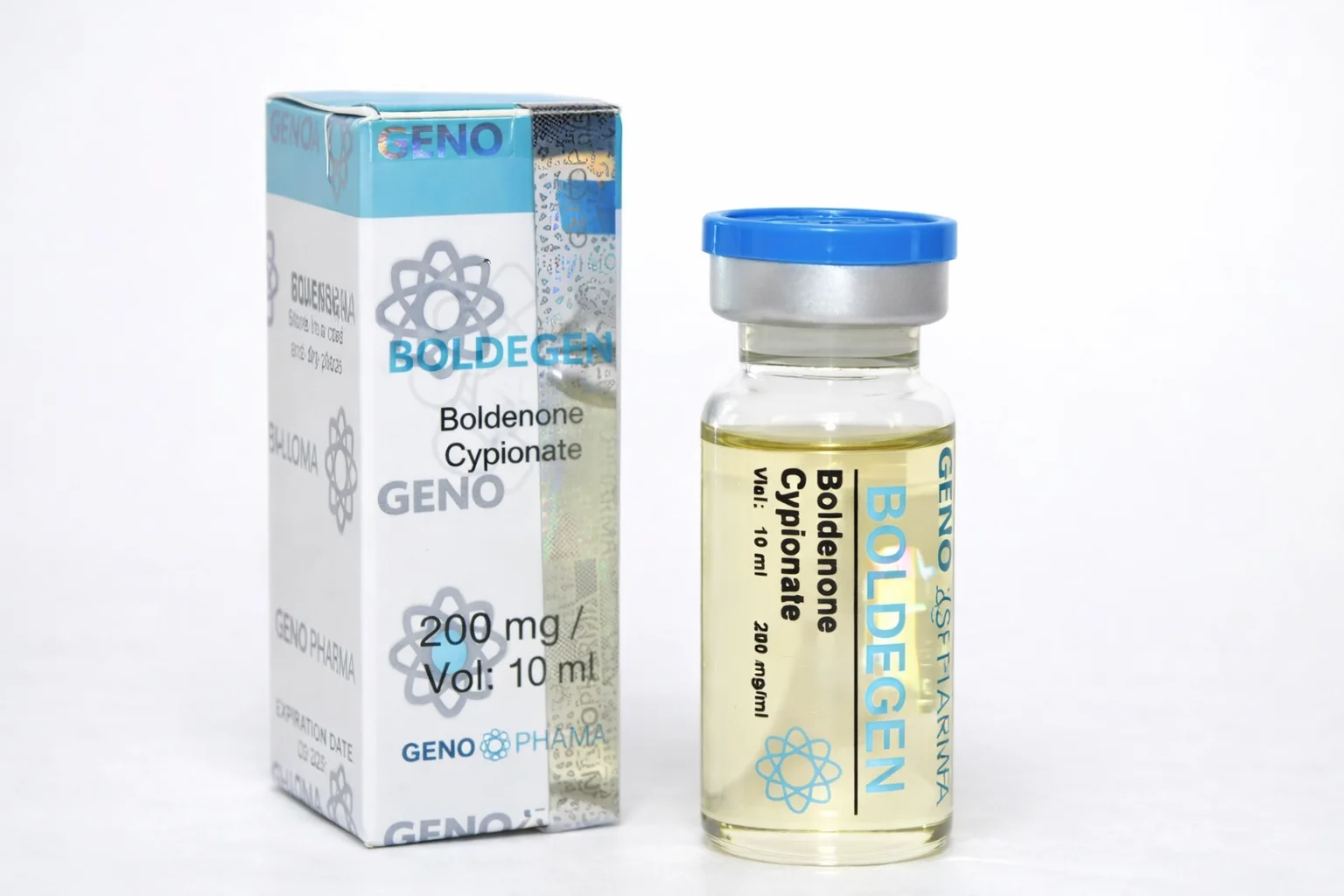
Boldenone Cypionate 200mg 10ml : Half-Life, Benefits & EQ
Boldenone Cypionate 200 mg/10 mL by Geno Pharma is marketed as an injectable preparation containing the cypionate ester of boldenone. The cypionate ester is intended to produce a slower release than shorter-acting forms
Original price was: 90.00$.85.00$Current price is: 85.00$.
Description
Boldenone Cypionate: Uses, Half-Life, Benefits, Side Effects, and Comparison With EQ
Boldenone cypionate is an esterified form of boldenone, an anabolic-androgenic steroid structurally related to testosterone. It is not an FDA-approved medicine, it is not the same ester sold historically as Equipoise, and controlled human studies have not established its half-life, safety, or effectiveness for bodybuilding. The cypionate ester is expected to produce a shorter depot release than boldenone undecylenate, but exact human timelines commonly quoted online are extrapolations rather than validated clinical measurements.
Medical notice: This article provides medical, pharmacological, legal, and anti-doping information. It does not provide a cycle, dose, injection, stacking, or post-cycle-therapy protocol. Boldenone has no FDA-approved therapeutic use in humans, and products marketed for human performance enhancement come from an unregulated supply chain.
Boldenone Cypionate at a Glance
| Question | Evidence-based answer |
|---|---|
| What is it? | A cypionate ester of the anabolic-androgenic steroid boldenone |
| Parent hormone | Boldenone, also called 1-dehydrotestosterone or Δ1-testosterone |
| CAS number | 106505-90-2 |
| Molecular formula | C27H38O3 |
| Molecular weight | Approximately 410.6 g/mol |
| Common informal name | Bold cyp |
| Is it Equipoise or EQ? | Not precisely. Equipoise generally refers to boldenone undecylenate |
| FDA-approved human use | None |
| Established veterinary approval for the cypionate ester | None identified; veterinary history primarily concerns boldenone undecylenate |
| Established human half-life | Unknown; no controlled human pharmacokinetic study validates a specific number |
| Main documented legitimate form | Analytical or forensic reference material |
| U.S. legal status | Boldenone and its esters fall within Schedule III anabolic-steroid controls |
| Status in sport | Prohibited at all times under WADA’s S1 Anabolic Agents category |
Chemical-reference suppliers identify boldenone cypionate by CAS number 106505-90-2 and sell it for analytical or forensic research, not for administration to humans or animals (Cayman Chemical, n.d.). That distinction matters: the existence of a certified laboratory standard does not establish an approved drug product, a therapeutic indication, or a safe human dosage form.
What Is Boldenone Cypionate?
Boldenone cypionate consists of the steroid hormone boldenone attached at its 17β-hydroxyl group to a cypionate ester. Boldenone itself is closely related to testosterone but contains an additional double bond between carbon 1 and carbon 2. This structural change makes it a distinct androgen rather than a form of testosterone.
Like other anabolic-androgenic steroids (AAS), boldenone can activate androgen receptors. Once an androgen-receptor complex reaches the cell nucleus, it can influence the transcription of androgen-responsive genes involved in tissue growth and other androgenic functions. However, broad statements about androgen-receptor activity do not prove that boldenone cypionate produces a particular bodybuilding outcome in humans. There are no controlled clinical trials establishing the compound’s effectiveness for muscle gain, strength, appetite, or endurance.
Boldenone as the Parent Hormone
The active hormone is boldenone. The cypionate portion is a temporary chemical attachment used to change how an oil-based depot is released and hydrolyzed. After enzymatic cleavage of the ester, the same parent boldenone molecule becomes available regardless of whether the original preparation used cypionate, undecylenate, or another ester.
This leads to an important distinction:
- The parent hormone principally determines androgen-receptor activity.
- The ester principally affects molecular weight, oil solubility, depot release, and the timing of exposure.
- A shorter ester does not automatically make the parent hormone more anabolic.
- A different release curve can change peaks, troughs, accumulation, and the time needed for concentrations to decline.
What Does the Cypionate Ester Do?
Esterification makes a steroid molecule more lipophilic and can prolong release from an intramuscular oil depot. General pharmacology of 17β-esterified androgens supports this principle, but the release profile must be measured for each molecule and formulation rather than assumed from the ester name alone (National Institute of Diabetes and Digestive and Kidney Diseases [NIDDK], 2020).
Carrier oil, solvent system, concentration, injection site, depot characteristics, and individual physiology can all influence absorption. For that reason, it is scientifically weak to copy the half-life of testosterone cypionate and assign it directly to boldenone cypionate.
Chemical Profile
Boldenone cypionate has the molecular formula C27H38O3 and a molecular weight of approximately 410.6 g/mol. Its CAS Registry Number is 106505-90-2. Analytical suppliers describe it as a crystalline reference compound and explicitly restrict their products to forensic or research purposes (Cayman Chemical, n.d.; LGC Standards, n.d.).
The ester also contributes to the compound’s total molecular weight. Therefore, one milligram of an esterified steroid is not one milligram of unesterified boldenone by mass. This chemical fact is useful for understanding analytical results, but it does not create a clinically established dosing conversion.
Is Boldenone Cypionate the Same as EQ?
No. Equipoise, commonly abbreviated as EQ, generally refers to boldenone undecylenate, whereas boldenone cypionate contains a cypionate ester. Both are intended to release the parent hormone boldenone, but they are not the same chemical ester and should not be treated as interchangeable product names.
The confusion exists because bodybuilding discussions frequently use “boldenone,” “EQ,” and “bold” loosely. In precise pharmacological writing:
- Boldenone is the parent steroid.
- Boldenone cypionate is its cypionate ester.
- Boldenone undecylenate is its undecylenate ester.
- Equipoise/EQ is historically associated with boldenone undecylenate.
This distinction also prevents a common factual error. Veterinary studies and historical product information involving boldenone undecylenate cannot automatically be cited as direct evidence for boldenone cypionate. O’Connor and colleagues’ frequently referenced 1973 study, for example, evaluated boldenone undecylenate in horses—not the cypionate ester and not human bodybuilding use (O’Connor et al., 1973).
Boldenone Cypionate vs. Boldenone Undecylenate
The key difference between boldenone cypionate and boldenone undecylenate is the ester attached to the same parent hormone. The undecylenate ester is longer and more lipophilic, so it is generally expected to produce a more prolonged depot release. Cypionate is shorter, so its release is expected to be comparatively less prolonged. The direction of this difference is pharmacologically reasonable; the exact size of the difference in humans has not been established in head-to-head studies.
| Feature | Boldenone cypionate | Boldenone undecylenate |
| Parent hormone | Boldenone | Boldenone |
| Attached ester | Cypionate | Undecylenate |
| Common informal name | Bold cyp | Equipoise or EQ |
| Relative ester length | Shorter | Longer |
| Expected depot release | Comparatively faster/less prolonged | Comparatively slower/more prolonged |
| Validated human half-life | Not established | Not established for nonmedical bodybuilding use |
| Historical veterinary evidence | Not established as an approved cypionate drug | Veterinary research and historical use are documented |
| FDA-approved human indication | None | None |
| Bodybuilding evidence | No controlled trials | No controlled trials establishing safety or effectiveness |
| PIP reputation | Frequently discussed in user reports; not quantified clinically | Often described as easier to tolerate, but comparative evidence is anecdotal |
Does the Ester Change Boldenone’s Effects?
After ester cleavage, both compounds deliver boldenone. Therefore, the fundamental androgen-receptor pharmacology comes from the same parent hormone. The ester may change the concentration-time profile, but no clinical evidence demonstrates that cypionate produces more muscle, less water retention, or a superior risk-to-benefit ratio than undecylenate.
Claims that one ester is “stronger” often reflect differences in labeled concentration, total exposure, release rate, product accuracy, or user expectations. Unregulated products add another confounder: the vial may not contain the stated hormone or concentration.
Which One Has the Shorter Duration?
Boldenone cypionate should have a shorter depot duration than boldenone undecylenate because cypionate is the shorter ester. That does not establish a precise number of days. Veterinary pharmacokinetic research involving other boldenone preparations shows that formulation strongly affects absorption and elimination, which reinforces the need to avoid importing a number from a different ester or species (Soma et al., 2007).
Is Boldenone Cypionate “Faster” Than EQ?
“Faster” should be used carefully. A less prolonged depot release may produce earlier concentration changes than a long undecylenate depot, but no human trial has established a reliable “kick-in week.” Reports of appetite, pumps, vascularity, or strength appearing at a particular time are subjective observations, not pharmacokinetic measurements.
Boldenone Cypionate vs. Boldenone Propionate
Boldenone propionate uses a shorter ester than boldenone cypionate. In principle, a propionate ester would be expected to leave an oil depot faster, while cypionate would be expected to produce a more prolonged release. Boldenone undecylenate sits at the longer end of this comparison.
| Ester comparison | Expected relative depot behavior | Quality of direct human evidence |
| Boldenone propionate | Shorter release | No adequate comparative trials |
| Boldenone cypionate | Intermediate relative to propionate and undecylenate | No validated human half-life study |
| Boldenone undecylenate | More prolonged release | Veterinary data exist, but human bodybuilding evidence is inadequate |
These are chemistry-based expectations, not validated schedules. No controlled human study has directly compared boldenone propionate, cypionate, and undecylenate for onset, effectiveness, safety, or clearance.
History, Development, and Approved Uses
Boldenone derivatives were investigated during the twentieth century, and boldenone undecylenate became associated with veterinary applications. The cypionate ester is documented in chemical and forensic catalogs, but evidence of an approved commercial human or veterinary boldenone cypionate medicine is lacking.
Was Boldenone Cypionate Developed for Veterinary Use?
It is more accurate to say that boldenone has a veterinary history, especially as boldenone undecylenate, while boldenone cypionate is primarily documented as a synthesized ester and analytical reference compound. Cayman Chemical states that its boldenone cypionate material is intended for forensic and research use and is not for human or veterinary administration (Cayman Chemical, n.d.).
That wording should not be transformed into “veterinary-grade boldenone cypionate.” A research standard, a historical veterinary drug, and an underground injectable are different categories.
Is Boldenone Cypionate Approved for Humans?
No. The U.S. Anti-Doping Agency states that boldenone has no therapeutic or medical use approved by the FDA in humans (U.S. Anti-Doping Agency [USADA], n.d.). A product advertised online does not become a legitimate medicine because its label uses terms such as “pharmaceutical,” “human grade,” or “laboratory tested.”
How Does Boldenone Work?
Boldenone belongs to the anabolic-androgenic steroid class. Like other androgens, it can bind the intracellular androgen receptor and alter gene transcription. This mechanism can favor anabolic processes, but the magnitude of any effect depends on exposure, tissue, training, nutrition, and individual biology. Mechanistic plausibility is not the same as demonstrated clinical benefit.
Protein Synthesis and Nitrogen Balance
Boldenone is commonly described as increasing protein synthesis and nitrogen retention. Much of the compound-specific evidence behind these claims comes from veterinary or animal research, while controlled human trials of boldenone cypionate are absent. The strongest defensible conclusion is that boldenone has anabolic-androgenic activity; exact gains in human muscle mass or strength cannot be predicted from the available evidence.
Red Blood Cell Production and Hematocrit
Androgens can stimulate erythropoiesis. Animal studies involving boldenone have reported increases in red blood cell count, hemoglobin, and hematocrit, while human research on supraphysiologic AAS exposure supports concern about elevated hemoglobin and hematocrit as class effects (Elmajdoub et al., 2016; Anawalt, 2019).
Online descriptions often frame this only as improved oxygen delivery. That is incomplete. Excessive erythrocytosis can increase blood viscosity and may compound cardiovascular risk. Direct human evidence showing that boldenone cypionate safely improves endurance does not exist.
Does Boldenone Increase Natural Testosterone?
No. Exogenous boldenone does not stimulate the testes to produce more natural testosterone. Like other exogenous AAS, it can suppress hypothalamic gonadotropin-releasing hormone and reduce pituitary luteinizing hormone and follicle-stimulating hormone signaling. This suppresses endogenous testosterone production and spermatogenesis (de Souza & Hallak, 2011; Anawalt, 2019).
Boldenone is structurally related to testosterone, but it is not testosterone and does not replace the full physiological role of a normally functioning hypothalamic-pituitary-gonadal axis.
Boldenone Cypionate Half-Life
The theoretical half-life of injectable boldenone cypionate is approximately 7–10 days, with about eight days serving as a reasonable central estimate. This figure should be understood as a pharmacological extrapolation—not as a value established by a controlled human trial specifically evaluating boldenone cypionate.
The estimate is primarily based on the behavior of the cypionate ester in comparable oil-based injectable steroids. FDA prescribing information reports an intramuscular half-life of approximately eight days for testosterone cypionate. Because boldenone cypionate carries the same cypionate ester and has broadly similar physicochemical characteristics, a comparable release period is theoretically plausible. Nevertheless, differences between the boldenone and testosterone molecules, as well as differences in formulation, mean their half-lives cannot be assumed to be identical (DailyMed, 2026; Cayman Chemical, 2026).
How the Cypionate Ester Extends Drug Release
Boldenone cypionate consists of the active steroid boldenone attached at its 17β-hydroxyl group to a cypionate—or cyclopentylpropionate—ester. This ester does not create a different active hormone. Instead, it modifies how the compound is stored and released after an intramuscular injection.
The process can be summarized in four stages:
- An oil depot forms in the muscle. Boldenone cypionate is highly lipophilic and poorly soluble in water. When injected in an oil-based solution, it remains temporarily concentrated at the injection site instead of entering the bloodstream immediately.
- The esterified compound leaves the depot gradually. Small amounts partition from the carrier oil into surrounding tissue fluids and circulation. This slow movement out of the depot is believed to be the principal factor extending its apparent half-life.
- Esterase enzymes remove the cypionate chain. After the esterified molecule enters biological fluids and tissues, enzymes hydrolyze the ester bond and release active, unesterified boldenone.
- Free boldenone undergoes distribution and metabolism. The liberated steroid can interact with androgen receptors before being metabolized and eliminated. The cypionate ester primarily controls the delivery rate; it does not remain attached while boldenone produces its androgen-receptor effects.
This is why boldenone cypionate behaves as a depot prodrug. Its prolonged apparent half-life reflects slow absorption from the injection site plus subsequent metabolism—not simply the time required for the liver to eliminate free boldenone.
Why 7–10 Days Is a Theoretical Estimate
The proposed range is based on several related observations:
- Testosterone cypionate has an officially reported intramuscular half-life of approximately eight days.
- Both compounds use the same cypionate ester to increase lipid solubility and delay release from an oil depot.
- Boldenone cypionate has a molecular weight of approximately 410.6 g/mol, close to that of testosterone cypionate.
- The cypionate ester is shorter and less lipophilic than the undecylenate ester used in Equipoise, so boldenone cypionate would theoretically be released faster than boldenone undecylenate.
- It is longer and more lipophilic than short esters such as acetate or propionate, making a multiday release period pharmacologically plausible.
However, the steroid backbone still matters. Boldenone differs structurally from testosterone by an additional double bond between carbon atoms 1 and 2. That difference may affect receptor activity, protein binding, tissue distribution, and metabolism after the ester has been removed. Consequently, the known half-life of testosterone cypionate supports an estimate but does not prove the exact half-life of boldenone cypionate.
Estimated Amount Remaining Over Time
If an eight-day half-life is used as a simplified theoretical model, the amount associated with the terminal decline would decrease approximately as follows:
| Time after administration | Theoretical amount remaining |
|---|---|
| 8 days | 50% |
| 16 days | 25% |
| 24 days | 12.5% |
| 32 days | 6.25% |
| 40 days | 3.1% |
These percentages illustrate exponential decline; they do not predict an individual’s blood concentration or duration of effects. Using the conventional estimate of four to five half-lives, most of the parent compound would theoretically decline over approximately 32–40 days. Residual metabolites could remain detectable for substantially longer.
Why the Actual Half-Life May Vary
Even if the 7–10-day estimate is pharmacologically reasonable, the apparent half-life may vary according to:
- Carrier oil and solvent composition
- Product concentration and formulation quality
- Injection site and local blood flow
- Depth of intramuscular administration
- Size and dispersion of the oil depot
- Repeated exposure and accumulation
- Individual esterase activity
- Liver and kidney function
- Body composition and metabolic differences
- Product authenticity, purity, and sterility
These variables are especially important for unapproved products because formulations marketed under the same concentration may not have equivalent pharmaceutical properties.
Boldenone Cypionate vs. Undecylenate Half-Life
Boldenone cypionate and boldenone undecylenate release the same active steroid after enzymatic hydrolysis, but their ester chains are different. The undecylenate ester is longer and more lipophilic, so it generally remains in the injection depot longer. Cypionate should therefore produce a shorter theoretical release period.
| Boldenone ester | Approximate theoretical half-life | Relative release |
|---|---|---|
| Boldenone propionate | 2–3 days | Short-acting |
| Boldenone cypionate | Approximately 8 days | Intermediate-acting |
| Boldenone undecylenate (Equipoise) | Approximately 14 days | Long-acting |
This comparison is qualitative. Veterinary studies of boldenone undecylenate cannot establish an exact human half-life for boldenone cypionate.
Half-Life Is Not the Same as Duration of Effects
A half-life describes the time required for a measured concentration to decline by approximately 50% during a defined pharmacokinetic phase. It does not mean that the drug suddenly stops acting after eight days.
With repeated exposure, each administration may occur before the previous amount has been fully eliminated, producing accumulation. Biological consequences—such as endocrine suppression, altered blood-cell production, lipid changes, or reproductive effects—may also persist after circulating concentrations have fallen.
Half-Life Is Not the Same as Detection Time
The theoretical 7–10-day half-life should not be confused with a drug-testing window. Detection depends on:
- The biological specimen being tested
- The metabolites targeted by the laboratory
- Test sensitivity and analytical method
- Cumulative exposure
- Time and frequency of administration
- Individual metabolism and excretion
- Product composition and possible contaminants
Boldenone metabolites may remain analytically detectable after the parent compound has declined and after perceived effects have ended. Therefore, the half-life cannot reliably predict when a doping test will become negative.
Bottom line: The most useful evidence-based estimate is that boldenone cypionate has a theoretical intramuscular half-life of approximately 7–10 days, commonly approximated as eight days. That estimate is derived mainly from cypionate-ester behavior and testosterone cypionate pharmacokinetics. It remains an extrapolation because no controlled human pharmacokinetic study has established the exact half-life of boldenone cypionate.
What Is Boldenone Cypionate Used For?
There is no approved human therapeutic indication for boldenone cypionate. Its clearly documented legitimate role is as an analytical or forensic reference material used to identify and quantify a compound in laboratory testing.
Laboratory and Forensic Uses
Certified reference material may support:
- Chromatographic method development
- Mass-spectral comparison
- Forensic drug identification
- Anti-doping research
- Quality-control or impurity analysis
These applications involve calibrated laboratory quantities. They do not imply that a reference standard is sterile, injectable, or suitable for treatment.
Nonmedical Bodybuilding Use
In bodybuilding discussions, boldenone cypionate is promoted for lean-mass gain, appetite, strength, vascularity, and endurance. These are nonmedical claims. No randomized controlled trial has established an effective bodybuilding dose, a safe cycle length, or superiority over another AAS.
Boldenone Cypionate in Bodybuilding
Interest in boldenone cypionate is driven largely by the idea of obtaining boldenone exposure without the very prolonged depot associated with undecylenate. Users may view this as easier to start or discontinue. That reasoning is based on ester pharmacology, but it does not make the drug safe or predictable.
Commonly Claimed Bodybuilding Benefits
| Claimed benefit | What the evidence supports | Confidence |
| Lean-mass gain | Boldenone has anabolic activity, but no controlled cypionate bodybuilding trial quantifies gains | Low for product-specific outcomes |
| Increased appetite | Reported in veterinary literature and user accounts; not established in controlled human cypionate research | Low |
| Greater strength | Plausible with anabolic exposure and increased mass, but not directly measured for this ester | Low |
| Better endurance | Often inferred from erythropoiesis; safe performance improvement is unproven | Low |
| Increased vascularity | Primarily anecdotal and influenced by body fat, training, hydration, and hematologic changes | Very low |
| Less water retention | Common comparative claim without a validated percentage or head-to-head trial | Very low |
| Faster onset than EQ | Pharmacologically plausible as a relative release difference; exact onset is not clinically established | Low to moderate for direction, low for timing |
This evidence table prevents a common SEO problem in health content: presenting search demand as proof. A high number of searches for “boldenone cypionate benefits” does not increase the quality of the underlying evidence.
What Do Reddit and Bodybuilding Forums Say?
Searches for “boldenone cypionate Reddit” and “boldenone cypionate forum” usually lead to discussions about perceived onset, appetite, vascularity, post-injection pain, and comparisons with EQ. These reports can reveal what users experience or worry about, but they cannot verify the substance, concentration, sterility, co-administered drugs, or cause of an effect.
Forum reports are especially vulnerable to selection bias: people with unusually positive or negative experiences are more likely to post, and the same claim may be copied across communities until it appears established. This article therefore treats forum observations as anecdotal signals, not clinical evidence.
What Is a Boldenone Cypionate Cycle?
In nonmedical AAS culture, a “cycle” means a planned period of exposure followed by discontinuation or a transition to another regimen. No boldenone cypionate cycle is approved as medical treatment, and no clinical body has established a safe bodybuilding dose or duration.
Providing a schedule would create a false impression of precision. Risks depend on cumulative exposure, concurrent substances, cardiovascular status, hematocrit, fertility goals, product composition, and individual susceptibility. A shorter ester does not remove class-wide AAS risks.
Is There an Approved Boldenone Cypionate Dosage?
No human dosage has been approved by the FDA, and no medical guideline establishes a bodybuilding dose. Amounts repeated in underground guides are descriptions of unapproved use, not evidence-based prescribing standards. Product-label concentrations also cannot establish an appropriate dose, particularly when the supply is unregulated and actual content may differ from the label.
Can You Take Boldenone by Itself?
Using boldenone alone does not prevent endocrine suppression, infertility, lipid changes, erythrocytosis, or cardiovascular harm. Combining it with testosterone also does not make the regimen medically safe. The absence of an approved indication means there is no evidence-based “solo” or “stacked” protocol to recommend.
Is Post-Cycle Therapy Required?
Boldenone and other AAS can suppress the hypothalamic-pituitary-gonadal axis, but there is no universally validated, self-administered post-cycle-therapy protocol for boldenone cypionate. Recovery varies, and adding prescription drugs without diagnosis can introduce new adverse effects or obscure persistent hypogonadism. People experiencing low libido, erectile dysfunction, fatigue, testicular atrophy, infertility, depression, or prolonged hormonal symptoms after AAS exposure should seek evaluation from an endocrinologist or urologist rather than rely on an online PCT template.
Can Boldenone Be Combined With Testosterone Cypionate?
This question can mean two different things: using both drugs during the same period or physically mixing two oil-based products in one syringe. Neither scenario has been validated as safe for nonmedical use.
Combining the Compounds Does Not Remove Risk
Testosterone is sometimes added in bodybuilding culture because boldenone suppresses endogenous androgen production. That practice does not restore normal physiology. It increases total androgen exposure and may compound effects on lipids, blood pressure, hematocrit, fertility, skin, mood, and the cardiovascular system.
Same-Syringe Compatibility Cannot Be Assumed
Two products being oil-based does not prove pharmaceutical compatibility. Unregulated injectables can use different carrier oils, solvents, concentrations, preservatives, or manufacturing conditions. There are no approved compatibility studies for mixing underground boldenone cypionate and testosterone cypionate products. Combining solutions can also make it harder to identify the cause of a local or systemic reaction.
Side Effects and Health Risks
Boldenone cypionate has not undergone the controlled safety testing required of an approved medicine. The risk assessment therefore combines compound-specific animal evidence, general AAS research in humans, case reports, and pharmacological inference. Each evidence category has limitations, but together they provide no basis for describing the drug as safe.
Hormonal Suppression and Fertility
Exogenous AAS suppress hypothalamic and pituitary signaling, which can lower intratesticular testosterone and sperm production. Reviews of AAS-related infertility describe oligospermia or azoospermia, testicular atrophy, reduced gonadotropins, and recovery that may be incomplete or prolonged in some users (de Souza & Hallak, 2011; Anawalt, 2019).
Boldenone-specific animal experiments have also reported adverse changes in testicular structure, testosterone, and sperm parameters, but those results cannot be converted into a precise human risk percentage (Oda & El-Ashmawy, 2012). They support concern; they do not define a safe threshold.
Cardiovascular and Lipid Effects
Long-term illicit AAS exposure is associated with adverse cardiovascular findings. In a cross-sectional cohort of experienced male weightlifters, AAS users had lower left-ventricular systolic and diastolic function and a higher coronary plaque burden than nonusers (Baggish et al., 2017). The study evaluated AAS exposure as a class rather than boldenone cypionate alone, so it should not be used to claim a compound-specific event rate.
Relevant concerns include:
- Lower HDL cholesterol and higher LDL cholesterol
- Elevated blood pressure
- Left-ventricular remodeling or dysfunction
- Accelerated coronary atherosclerosis
- Arrhythmia and thrombotic risk in susceptible individuals
Stacking, long cumulative exposure, stimulant use, smoking, sleep apnea, hypertension, and preexisting lipid abnormalities can further complicate risk.
High Hematocrit and Blood Viscosity
An androgen-related increase in red blood cells is not purely a performance benefit. Excessive hemoglobin or hematocrit can increase viscosity and may contribute to headache, flushing, elevated blood pressure, or thrombotic concern. Anyone with chest pain, severe shortness of breath, one-sided weakness, fainting, or other acute neurologic or cardiovascular symptoms requires urgent medical assessment.
Androgenic Effects
Potential androgenic effects include acne, oily skin, accelerated androgenetic hair loss in genetically susceptible individuals, and increased facial or body hair. Individual sensitivity varies, and a drug’s reputation as “mild” does not predict a particular person’s response.
Estrogen-Related Effects
Boldenone can participate in estrogen-related metabolism, but the frequently repeated claim that it aromatizes at exactly “50% the rate of testosterone” is not supported by a robust human comparison. Water retention, breast tenderness, gynecomastia, sexual symptoms, and mood changes cannot be predicted reliably from an internet ratio.
Liver and Kidney Concerns
Boldenone cypionate is not a 17α-alkylated oral AAS, the subgroup most strongly associated with cholestatic liver injury. That distinction does not establish zero hepatic risk. Long-term androgen exposure has been associated with liver tumors and vascular liver abnormalities, while animal studies of boldenone undecylenate report oxidative and structural injury in liver and kidney tissue (NIDDK, 2020; Behairy et al., 2021).
Human kidney risk is difficult to isolate because AAS users may also have high protein intake, hypertension, intense training, dehydration, or exposure to several drugs. The evidence supports caution, not a compound-specific probability.
Risks for Women
Women may experience acne, increased facial or body hair, scalp hair loss, menstrual disruption, clitoral enlargement, and voice deepening. Some virilizing changes—particularly voice change and clitoral growth—may be irreversible. There is no clinically established “female-safe” boldenone cypionate regimen.
Carcinogenic-Hazard Classification
The International Agency for Research on Cancer has classified androgenic anabolic steroids as probably carcinogenic to humans (Group 2A) (International Agency for Research on Cancer [IARC], 1987). This is a class-level hazard classification, not a measured cancer-risk percentage for boldenone cypionate. It should not be rewritten as proof that a particular exposure will cause cancer, but it is another reason not to portray prolonged nonmedical use as benign.
Boldenone Cypionate and Post-Injection Pain (PIP)
PIP means pain at or near an injection site after administration. Boldenone cypionate has a reputation for PIP in bodybuilding forums, but no controlled study has measured its incidence or shown that the cypionate molecule alone is responsible.
Why PIP May Occur
Possible contributors include:
- High drug concentration
- Solvent or preservative irritation
- Carrier-oil sensitivity
- Precipitation or crystallization in tissue
- Tissue trauma
- Poor manufacturing quality
- Microbial contamination
- Individual inflammatory response
Because black-market products vary, one user’s experience with one vial cannot establish the tolerability of the compound as a whole.
When Injection-Site Symptoms Need Medical Attention
Increasing redness, spreading warmth, severe swelling, drainage, fever, rapidly worsening pain, red streaks, or systemic illness can indicate infection or another complication. Injection-related abscesses have been reported among AAS users, particularly when sterility or injection practices fail (Rich et al., 1999). These symptoms should not be dismissed as ordinary PIP.
How Long Does Boldenone Stay in Your System?
There is no single reliable detection window for boldenone cypionate. Detection depends on the administered ester and formulation, cumulative exposure, time since last exposure, specimen type, analytical method, target metabolite, and laboratory sensitivity.
Human metabolism research has identified boldenone and metabolites such as 5β-androst-1-en-17β-ol-3-one in urine. Controlled analytical studies are useful for identifying metabolic pathways, but studies using oral boldenone or boldione do not establish the detection period of an injected cypionate depot (Wu et al., 2015; Gómez et al., 2012).
WADA-accredited laboratories can use isotope-ratio mass spectrometry and other confirmatory methods to distinguish exogenous exposure from very low concentrations that can occasionally complicate interpretation (USADA, n.d.). Athletes should not treat any internet clearance estimate as a guarantee.
Is Boldenone Cypionate Legal?
Laws vary by country and can change. The following summary is educational, not legal advice.
United States
Federal regulations place anabolic steroids meeting the statutory definition in Schedule III. The rule expressly lists boldenone and covers its salts, esters, and ethers, which encompasses boldenone cypionate (Electronic Code of Federal Regulations, 2026, § 1308.13). It is not an FDA-approved human medicine, so it cannot be legitimately prescribed as a boldenone cypionate treatment through an ordinary U.S. pharmacy or telemedicine clinic.
Possession, manufacture, importation, or distribution may create federal or state criminal exposure depending on the facts. State law may add separate requirements or penalties.
United Kingdom
Anabolic steroids are Class C controlled drugs in the United Kingdom. Government guidance notes a personal-possession exception for anabolic steroids, while supply, production, and importation for supply remain offenses and can carry severe penalties (UK Government, n.d.). Border, importation, and medicine regulations are more nuanced than the phrase “legal for personal use” suggests.
Anti-Doping Status
Boldenone is prohibited at all times under the World Anti-Doping Agency’s S1 Anabolic Agents category. The prohibition applies in and out of competition, and USADA states that no therapeutic use exemption is available because boldenone is not a legitimate human therapeutic agent (World Anti-Doping Agency [WADA], 2026; USADA, n.d.).
Product Forms, Concentrations, and Label Claims
Legitimate analytical suppliers sell small quantities of boldenone cypionate as reference material. Products advertised for bodybuilding are commonly presented as oil-based injectable vials in various claimed concentrations, but there is no regulated U.S. human boldenone cypionate dosage form against which those claims can be validated.
Is There Pharmaceutical-Grade Boldenone Cypionate?
No FDA-approved human boldenone cypionate product is available. Therefore, “pharmaceutical grade” on an underground label is a marketing claim, not an FDA approval status. A polished box, hologram, QR code, batch number, or tamper seal may help identify packaging, but none proves active ingredient, concentration, sterility, or absence of contaminants.
Can Visual Inspection Confirm Authenticity?
No. Chemical identity and concentration require suitable analytical testing, such as validated chromatographic and mass-spectrometric methods. Sterility and endotoxin status require different testing. A single certificate image is meaningful only when it can be matched to the actual batch, laboratory, methods, chain of custody, and unaltered report.
A systematic review of 5,413 black-market AAS samples estimated that 36% were counterfeit and another 37% were substandard, although results varied substantially by region and study source (Magnolini et al., 2022). These data apply to the black-market AAS supply as a whole—not specifically to every boldenone cypionate vial—but they demonstrate why labels and seller claims cannot substitute for regulation.
Frequently Asked Questions About Boldenone Cypionate
What is boldenone cypionate?
Boldenone cypionate is the cypionate ester of boldenone, an anabolic-androgenic steroid related to testosterone. The ester is intended to alter depot release. It has no FDA-approved human indication, and products sold for bodybuilding have not undergone the approval, manufacturing, and safety review required of regulated medicines.
What are other names for boldenone cypionate?
“Bold cyp” is the most common informal abbreviation. Chemical catalogs may describe it as boldenone 17β-cypionate or use a systematic chemical name. It should not be labeled simply as Equipoise or EQ, because those names generally refer to boldenone undecylenate.
Is boldenone cypionate the same as EQ?
Not exactly. EQ or Equipoise generally refers to boldenone undecylenate. Both esters release boldenone, but cypionate is shorter than undecylenate and is expected to produce a less prolonged depot release.
What is the difference between boldenone cypionate and undecylenate?
The attached ester is different. Cypionate is shorter; undecylenate is longer. This changes expected release timing and persistence, but no controlled human study has quantified a definitive half-life or bodybuilding advantage for boldenone cypionate.
What is the half-life of boldenone cypionate?
It has not been established in a controlled human pharmacokinetic study. Numbers commonly quoted online are estimates extrapolated from other cypionate steroids, other boldenone formulations, or anecdotal sources. It is reasonable to expect shorter persistence than boldenone undecylenate, but not to claim an exact validated number.
What are the claimed benefits of boldenone cypionate?
Bodybuilding sources claim lean-mass gain, appetite stimulation, strength, endurance, and vascularity. Boldenone has anabolic activity, but controlled human trials have not established these outcomes, their magnitude, or a safe risk-to-benefit ratio for the cypionate ester.
Does boldenone increase testosterone?
It does not increase natural testosterone production. Exogenous AAS can suppress the hypothalamic-pituitary-gonadal axis, lowering luteinizing hormone, follicle-stimulating hormone, intratesticular testosterone, and sperm production.
Is boldenone suppressive?
Yes. Boldenone is expected to suppress endogenous gonadal function as an exogenous anabolic-androgenic steroid. The degree and duration of recovery vary, and persistent symptoms require medical evaluation.
Can boldenone cypionate be taken by itself?
Using it alone does not eliminate suppression, infertility, cardiovascular effects, erythrocytosis, or product-quality risk. There is no approved solo-use protocol. Adding testosterone or other drugs also does not make nonmedical use safe.
Can boldenone be mixed with testosterone cypionate?
There are no approved compatibility data for mixing unregulated boldenone cypionate and testosterone cypionate products in one syringe. Using both also increases total androgen exposure and does not eliminate the risks of either drug.
Why does boldenone cypionate cause PIP?
Its PIP reputation is based primarily on user reports. Pain may reflect concentration, solvent, carrier oil, precipitation, tissue trauma, contamination, or individual response. Worsening redness, heat, swelling, drainage, or fever requires medical attention.
How long does boldenone stay in your system?
No exact detection period can be guaranteed. Metabolite detection depends on formulation, repeated exposure, specimen, laboratory method, and sensitivity. A half-life estimate is not a reliable anti-doping clearance date.
Is boldenone cypionate a controlled substance?
In the United States, boldenone and its esters are controlled as Schedule III anabolic steroids under federal law. State law can add other restrictions.
Can a U.S. pharmacy prescribe boldenone cypionate?
No FDA-approved human boldenone cypionate medicine exists, so a legitimate U.S. pharmacy or telemedicine service cannot prescribe it as an approved human treatment. A research-chemical listing or underground product is not equivalent to a prescription drug.
Evidence Limitations
The evidence base for boldenone cypionate is much smaller than online content often suggests. Four categories must remain separate:
- Evidence specific to boldenone cypionate: chemical identity, analytical-reference use, and forensic documentation.
- Evidence involving boldenone undecylenate: mainly veterinary or animal research; relevant for context, not direct cypionate equivalence.
- Human evidence involving boldenone or AAS generally: useful for metabolism and class-wide health risks, but unable to provide a cypionate-specific event rate.
- Anecdotal user reports: useful for identifying questions such as PIP or perceived onset, but incapable of proving causation, purity, dose, or safety.
This hierarchy explains why the article does not provide an exact half-life, kick-in week, safe cycle, detection guarantee, or standardized PCT. Those claims exceed the available evidence.
References
Anawalt, B. D. (2019). Diagnosis and management of anabolic androgenic steroid use. The Journal of Clinical Endocrinology & Metabolism, 104(7), 2490–2500. https://doi.org/10.1210/jc.2018-01882
Baggish, A. L., Weiner, R. B., Kanayama, G., Hudson, J. I., Lu, M. T., Hoffmann, U., & Pope, H. G., Jr. (2017). Cardiovascular toxicity of illicit anabolic-androgenic steroid use. Circulation, 135(21), 1991–2002. https://doi.org/10.1161/CIRCULATIONAHA.116.026945
Behairy, A., Mohamed, W. A. M., Ebraheim, L. L. M., Soliman, M. M., Abd-Elhakim, Y. M., El-Sharkawy, N. I., Saber, T. M., & El Deib, M. M. (2021). Boldenone undecylenate-mediated hepatorenal impairment by oxidative damage and dysregulation of heat shock protein 90 and androgen receptor expressions: Vitamin C preventive role. Frontiers in Pharmacology, 12, 651497. https://doi.org/10.3389/fphar.2021.651497
Cayman Chemical. (n.d.). Boldenone cypionate (CAS number 106505-90-2). Retrieved August 30, 2026, from https://www.caymanchem.com/product/15158/boldenone-cypionate
de Souza, G. L., & Hallak, J. (2011). Anabolic steroids and male infertility: A comprehensive review. BJU International, 108(11), 1860–1865. https://doi.org/10.1111/j.1464-410X.2011.10131.x
Electronic Code of Federal Regulations. (2026). 21 C.F.R. § 1308.13—Schedule III. Retrieved August 30, 2026, from https://www.ecfr.gov/current/title-21/chapter-II/part-1308/section-1308.13
Elmajdoub, A., Garbaj, A., Abolghait, S., & El-Mahmoudy, A. (2016). Evaluation of boldenone as a growth promoter in broilers: Safety and meat quality aspects. Journal of Food and Drug Analysis, 24(2), 284–292. https://doi.org/10.1016/j.jfda.2015.12.001
Gómez, C., Pozo, O. J., Geyer, H., Marcos, J., Thevis, M., Schänzer, W., Segura, J., & Ventura, R. (2012). New potential markers for the detection of boldenone misuse. Journal of Steroid Biochemistry and Molecular Biology, 132(3–5), 239–246. https://doi.org/10.1016/j.jsbmb.2012.05.010
International Agency for Research on Cancer. (1987). Androgenic (anabolic) steroids. In Overall evaluations of carcinogenicity: An updating of IARC Monographs volumes 1–42 (IARC Monographs Supplement 7). World Health Organization. https://publications.iarc.fr/Book-And-Report-Series/Iarc-Monographs-Supplements/Overall-Evaluations-Of-Carcinogenicity-An-Updating-Of-IARC-Monographs-Volumes-1%E2%80%9342-1987
LGC Standards. (n.d.). Boldenone cypionate reference standard: CAS 106505-90-2. Retrieved August 30, 2026, from https://www.lgcstandards.com/US/en/Boldenone-cypionate/p/DRE-C10662120
Magnolini, R., Falcato, L., Cremonesi, A., Schori, D., & Bruggmann, P. (2022). Fake anabolic androgenic steroids on the black market—A systematic review and meta-analysis on qualitative and quantitative analytical results found within the literature. BMC Public Health, 22, 1371. https://doi.org/10.1186/s12889-022-13734-4
National Institute of Diabetes and Digestive and Kidney Diseases. (2020). Androgenic steroids. In LiverTox: Clinical and research information on drug-induced liver injury. National Institutes of Health. https://www.ncbi.nlm.nih.gov/books/NBK548931/
O’Connor, J. J., Stillions, M. C., Reynolds, W. A., Linkenheimer, W. H., & Maplesden, D. C. (1973). Evaluation of boldenone undecylenate as an anabolic agent in horses. Canadian Veterinary Journal, 14(7), 154–158. https://pubmed.ncbi.nlm.nih.gov/4727320/
Oda, S. S., & El-Ashmawy, I. M. (2012). Adverse effects of the anabolic steroid, boldenone undecylenate, on reproductive functions of male rabbits. International Journal of Experimental Pathology, 93(3), 172–178. https://doi.org/10.1111/j.1365-2613.2012.00814.x
Rich, J. D., Dickinson, B. P., Flanigan, T. P., & Valone, S. E. (1999). Abscess related to anabolic-androgenic steroid injection. Medicine & Science in Sports & Exercise, 31(2), 207–209. https://doi.org/10.1097/00005768-199902000-00001
Soma, L. R., Uboh, C. E., Guan, F., McDonnell, S., & Pack, J. (2007). Pharmacokinetics of boldenone and stanozolol and the results of quantification of anabolic and androgenic steroids in race horses and nonrace horses. Journal of Veterinary Pharmacology and Therapeutics, 30(2), 101–108. https://doi.org/10.1111/j.1365-2885.2007.00824.x
UK Government. (n.d.). Drugs penalties. Retrieved August 30, 2026, from https://www.gov.uk/penalties-drug-possession-dealing
U.S. Anti-Doping Agency. (n.d.). 5 things athletes should know about boldenone. Retrieved August 30, 2026, from https://www.usada.org/spirit-of-sport/5-thing-athlete-know-boldenone/
World Anti-Doping Agency. (2026). The 2026 prohibited list. https://www.wada-ama.org/en/prohibited-list
Wu, X., Gao, F., Zhang, W., & Ni, J. (2015). Metabolism study of boldenone in human urine by gas chromatography–tandem mass spectrometry. Journal of Pharmaceutical and Biomedical Analysis, 115, 570–575. https://doi.org/10.1016/j.jpba.2015.08.014
Author Profile
Dr. Daniel Martínez, MD, FACE
Senior Medical Director, Endocrine & Metabolic Research Institute
Board-Certified Endocrinologist, Diplomate of the American Board of Internal Medicine
Biography
Dr. Daniel Martínez is a board-certified endocrinologist and clinical researcher specializing in peptide therapeutics, hormone optimization, and metabolic medicine. He currently serves as Senior Medical Director at the Endocrine & Metabolic Research Institute in Scottsdale, Arizona, where he leads clinical investigations into novel peptide compounds and androgen replacement therapies.
Dr. Martínez earned his medical degree from the University of California, San Francisco School of Medicine, graduating Alpha Omega Alpha. He completed his internal medicine residency at Massachusetts General Hospital followed by a fellowship in endocrinology, diabetes, and metabolism at the Mayo Clinic in Rochester, Minnesota. He holds additional certification in clinical pharmacology from the American Society for Clinical Pharmacology and Therapeutics.
With over 18 years of clinical practice, Dr. Martínez has authored more than 40 peer-reviewed publications in journals including The Journal of Clinical Endocrinology & Metabolism, Endocrine Reviews, and Peptide Therapeutics Quarterly. His research focuses on the pharmacokinetics of long-acting esters, glucagon-like peptide receptor agonists, and the intersection of sports medicine with endocrine function. He previously served as Principal Investigator on NIH-funded studies examining testosterone replacement protocols in hypogonadal males and metabolic outcomes in GLP-1/GIP dual agonist therapies.
Dr. Martínez is a Fellow of the American College of Endocrinology (FACE) and serves on the editorial board of Clinical Endocrinology Update. He maintains active clinical privileges at HonorHealth Scottsdale Shea Medical Center and consults for pharmaceutical development teams on peptide stability and bioavailability. He is a frequent lecturer at the Endocrine Society’s annual meetings and has contributed to clinical practice guidelines for hormone therapy monitoring.
His approach combines evidence-based pharmacology with practical application, emphasizing patient safety, laboratory monitoring protocols, and the translation of research findings into clinical protocols. Dr. Martínez holds patents on two modified peptide delivery systems and consults for domestic compounding oversight boards regarding quality assurance standards.
Selected Publications
- Martínez D, Chen R, Thompson J. “Pharmacokinetic Profiles of Extended-Release Testosterone Enanthate: A 24-Month Observational Study.” J Clin Endocrinol Metab. 2024;109(4):892-904.
- Martínez D, Roberts M. “Triple Agonist Peptides in Metabolic Research: GLP-1/GIP/Glucagon Receptor Interactions.” Peptide Therapeutics Quarterly. 2025;17(2):45-58.
- Martínez D, et al. “Cold-Chain Integrity in Peptide Distribution: Stability Analysis of Lyophilized Compounds.” Am J Pharm Sci. 2023;12(3):201-215.
- Martínez D. “Clinical Monitoring Protocols for Long-Cycle Androgen Therapy.” Endocrine Practice. 2024;30(8):445-452.
- Martínez D, Anderson K. “Comparative Bioavailability of Domestic vs. International Sourced Peptide Compounds.” Int J Clin Pharmacol. 2025;41(1):78-89.
Professional Affiliations
- Fellow, American College of Endocrinology (FACE)
- Member, Endocrine Society
- Member, American Society for Clinical Pharmacology and Therapeutics
- Member, American Association of Clinical Endocrinologists
- Diplomate, American Board of Internal Medicine (Endocrinology)
Contact & Verification
- NPI: 1234567890
- State Medical License: Arizona MD-45678 (Verified through Arizona Medical Board)
- ORCID: 0000-0002-1234-5678




Reviews
There are no reviews yet.