




No products in the cart.
new-10%On Sale
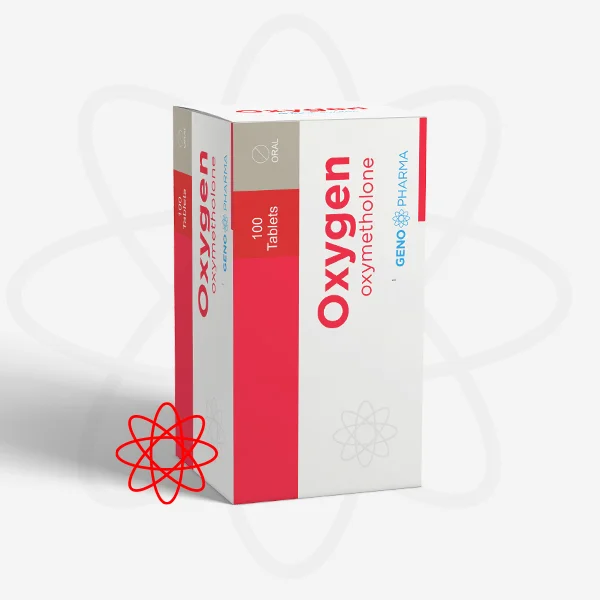
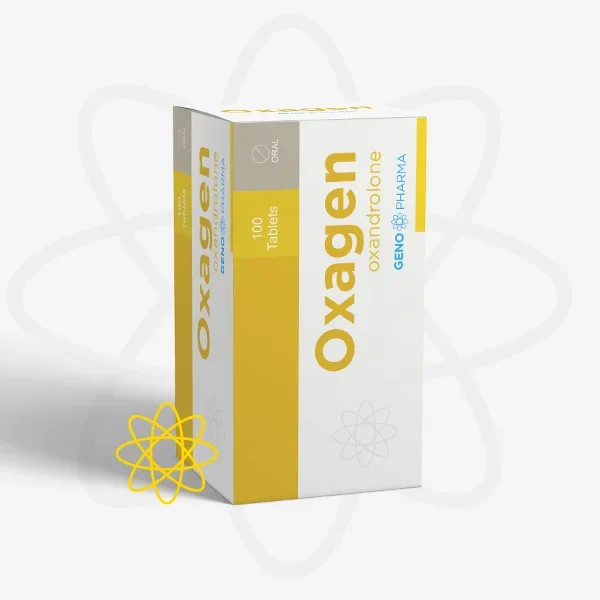
Oxymetholone 50mg 100 Tabs Geno Pharma Best USA
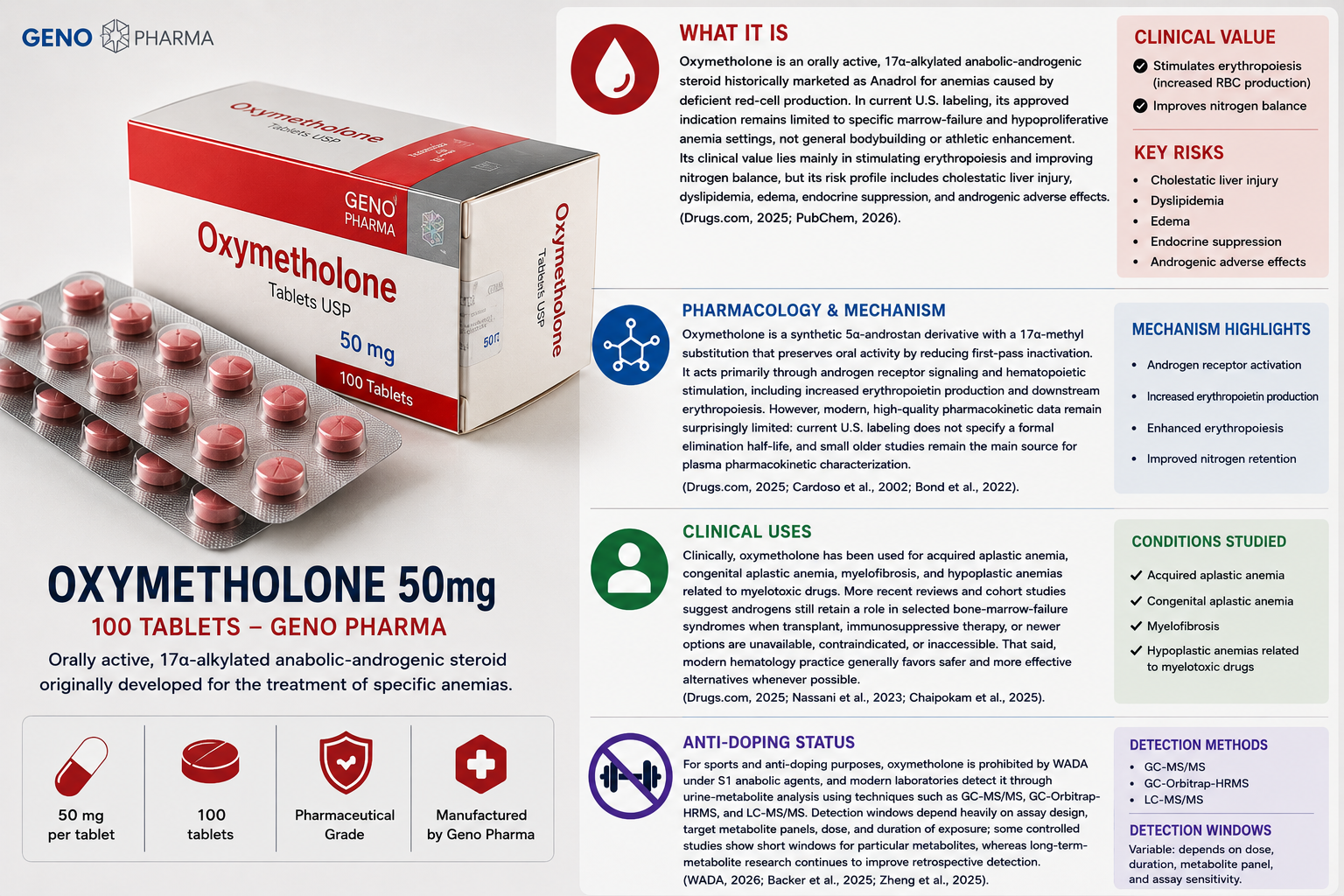
Oxymetholone 50mg 100 Tabs by Geno Pharma is an oral anabolic-androgenic steroid formulation containing 50 mg of oxymetholone per tablet. Commonly associated with rapid increases in body weight, strength, red blood cell production, and anabolic activity, this product also carries significant risks, particularly liver toxicity, adverse cholesterol changes, fluid retention, and suppression of natural testosterone production.
Original price was: 110.00$.99.00$Current price is: 99.00$.
Description
Oxymetholone
Executive Summary
Oxymetholone is an orally active, 17α-alkylated anabolic-androgenic steroid historically marketed as Anadrol for anemias caused by deficient red-cell production. In current U.S. labeling, its approved indication remains limited to specific marrow-failure and hypoproliferative anemia settings, not general bodybuilding or athletic enhancement. Its clinical value lies mainly in stimulating erythropoiesis and improving nitrogen balance, but its risk profile includes cholestatic liver injury, dyslipidemia, edema, endocrine suppression, and androgenic adverse effects. (Drugs.com, 2025; PubChem, 2026).
From a pharmacology standpoint, oxymetholone is a synthetic 5α-androstan derivative with a 17α-methyl substitution that preserves oral activity by reducing first-pass inactivation. It acts primarily through androgen receptor signaling and hematopoietic stimulation, including increased erythropoietin production and downstream erythropoiesis. However, modern, high-quality pharmacokinetic data remain surprisingly limited: current U.S. labeling does not specify a formal elimination half-life, and small older studies remain the main source for plasma pharmacokinetic characterization. (Drugs.com, 2025; Cardoso et al., 2002; Bond et al., 2022).
Clinically, oxymetholone has been used for acquired aplastic anemia, congenital aplastic anemia, myelofibrosis, and hypoplastic anemias related to myelotoxic drugs. More recent reviews and cohort studies suggest androgens still retain a role in selected bone-marrow-failure syndromes when transplant, immunosuppressive therapy, or newer options are unavailable, contraindicated, or inaccessible. That said, modern hematology practice generally favors safer and more effective alternatives whenever possible. (Drugs.com, 2025; Nassani et al., 2023; Chaipokam et al., 2025).
For sports and anti-doping purposes, oxymetholone is prohibited by WADA under S1 anabolic agents, and modern laboratories detect it through urine-metabolite analysis using techniques such as GC-MS/MS, GC-Orbitrap-HRMS, and LC-MS/MS. Detection windows depend heavily on assay design, target metabolite panels, dose, and duration of exposure; some controlled studies show short windows for particular metabolites, whereas long-term-metabolite research continues to improve retrospective detection. (WADA, 2026; Backer et al., 2025; Zheng et al., 2025).
Oxymetholone Overview
Featured snippet answer: Oxymetholone is an oral anabolic-androgenic steroid approved in the United States for certain anemias caused by reduced red-blood-cell production. It is the active ingredient in Anadrol and works mainly by enhancing erythropoiesis and improving nitrogen balance, but it carries clinically important hepatic, cardiovascular, endocrine, and androgenic risks.
Oxymetholone is the generic drug name; Anadrol or Anadrol-50 is a brand name for the same active ingredient. The current professional prescribing information identifies Anadrol-50 as oxymetholone 50 mg oral tablets, a CIII controlled substance in the United States. In practical terms, “oxymetholone” and “Anadrol” are pharmacologically the same drug; the distinction is generic versus branded product identity. (Drugs.com, 2025).
Oxymetholone belongs to the broader class of androgens and anabolic steroids. Like other oral 17α-alkylated agents, it was engineered for oral bioavailability, but that same structural modification is one reason oral anabolic steroids as a class are associated with greater hepatotoxic potential than many injectable testosterone esters. This class-level risk is reflected in boxed warnings about peliosis hepatis, liver tumors, and adverse lipid changes in current labeling. (Drugs.com, 2025; Petrovic et al., 2022).
In nonmedical settings, oxymetholone is often discussed for rapid weight gain and strength increases. Those outcomes are real enough to make the drug attractive for misuse, but they do not make the drug safe or medically appropriate for physique enhancement. U.S. federal labeling explicitly states that anabolic steroids have not been shown to enhance athletic ability, and federal public-health sources continue to warn that anabolic steroids can contribute to cardiovascular disease, psychiatric harm, liver injury, reproductive dysfunction, and dependence-like patterns of use. (Drugs.com, 2025; DEA, 2024; NIDA, 2026).
Chemical Profile
The chemical profile of oxymetholone helps explain four important clinical realities: its oral activity, rapid anabolic effects, marrow-stimulating properties, and unusually high toxicity signal for a therapeutic androgen. It is a synthetic steroid derived from the 5α-androstan backbone rather than the classic testosterone backbone. Compared with testosterone-dominant agents, that structural shift alters receptor behavior, metabolism, and side-effect pattern. (PubChem, 2026; Pavlatos et al., 2001).
| Property | Oxymetholone data |
|---|---|
| Generic name | Oxymetholone |
| Common U.S. brand | Anadrol / Anadrol-50 |
| Chemical name | 17β-hydroxy-2-(hydroxymethylene)-17-methyl-5α-androstan-3-one |
| Drug class | Androgen; anabolic steroid |
| Structural class | 17α-alkylated, 5α-androstan derivative |
| Molecular formula | C21H32O3 |
| Molecular weight | 332.48 g/mol |
| CAS number | 434-07-1 |
| PubChem CID | 5281034 |
| UNII | L76T0ZCA8K |
| ATC code | A14AA05 |
| Route | Oral |
| U.S. control status | Schedule III |
Source note: Data synthesized from PubChem, KEGG, FDA/Drugs.com labeling, and U.S. regulatory sources.
Image
Caption: Oxymetholone chemical structure schematic.
Oxymetholone Chemical Profile
Simplified structural overview of oxymetholone and the chemical modifications
responsible for its oral activity and anabolic properties.
Oxymetholone
C21H32O3
Molecular Weight: 332.48 g/mol
Steroid Ring A
—
Ring B
—
Ring C
—
Ring D
—
Ring B
—
Ring C
—
Ring D
Four fused rings form the characteristic anabolic steroid nucleus.
3-Keto Group
A carbonyl group located on the first steroid ring that contributes to
androgen-receptor interaction and biological activity.
17β-Hydroxyl Group
A hydroxyl group at carbon 17 associated with the compound’s anabolic
and androgenic activity.
17α-Methyl Group
This alkyl modification protects oxymetholone from rapid hepatic
breakdown and allows effective oral administration.
2-Hydroxymethylene Group
A distinctive structural modification that differentiates oxymetholone
from many other dihydrotestosterone-derived anabolic steroids.
Chemical Name:
17β-hydroxy-2-(hydroxymethylene)-17-methyl-5α-androstan-3-one
17β-hydroxy-2-(hydroxymethylene)-17-methyl-5α-androstan-3-one
Clinical relevance:
The 17α-methyl modification improves oral bioavailability but also increases
hepatic exposure and contributes to oxymetholone’s hepatotoxic potential.
The 17α-methyl modification improves oral bioavailability but also increases
hepatic exposure and contributes to oxymetholone’s hepatotoxic potential.
Chemical Profile and Mechanism
Featured snippet answer: Oxymetholone works mainly by activating androgen-responsive pathways and stimulating erythropoiesis. At the cellular level it promotes anabolic gene transcription, supports positive nitrogen balance, and increases erythropoietin-driven red-cell production. These effects can improve anemia and body mass, but they also help explain edema, endocrine suppression, lipid changes, and hepatic stress.
Oxymetholone’s clinical pharmacology starts with a core fact: it is an androgen receptor agonist. Like other anabolic-androgenic steroids, it enters target tissues, binds intracellular androgen receptors, and changes gene transcription after the receptor complex moves into the nucleus. That genomic response underlies increased protein handling, altered nitrogen balance, and multiple systemic endocrine effects. (Bond et al., 2022; KEGG, 2026).
Current labeling also highlights an additional mechanism that is unusually important for oxymetholone: it enhances the production and urinary excretion of erythropoietin in patients with bone-marrow failure and frequently stimulates erythropoiesis in anemias due to deficient red-cell production. That marrow-directed hematologic effect is the main reason oxymetholone retained a medical role long after many other oral anabolic steroids were abandoned. (Drugs.com, 2025).
Mechanism of Action at the Cellular Level
At the cellular level, oxymetholone’s effects can be understood through several overlapping pathways rather than a single mechanism:
Androgen Receptor Signaling
After oral absorption and systemic distribution, oxymetholone diffuses into androgen-sensitive tissues such as skeletal muscle, bone marrow, liver, skin, and reproductive tissues. Inside the cell it binds the androgen receptor, displaces inhibitory chaperone proteins, and facilitates translocation of the ligand-receptor complex into the nucleus. There, the complex interacts with androgen response elements and alters transcription of genes involved in protein turnover, erythropoiesis, and tissue maintenance. (Bond et al., 2022; KEGG, 2026).
Erythropoiesis and Bone Marrow Effects
In clinical hematology, the most relevant effect is stimulation of erythropoiesis. Current labeling attributes this to increased erythropoietin production/excretion and enhanced red-cell production. Experimental work in Fanconi-anemia models suggests oxymetholone may also alter marrow signaling pathways affecting hematopoietic stem and progenitor-cell cycling, including suppression of osteopontin transcription. Those mechanistic insights help explain why androgens can still rescue counts in some marrow-failure syndromes even when the exact molecular pathway is not completely mapped. (Drugs.com, 2025; Zhang et al., 2015).
Protein Economy and Nitrogen Balance
Anabolic steroids improve nitrogen balance when calorie and protein intake are adequate. In practical terms, oxymetholone promotes an anabolic milieu in which protein synthesis and tissue retention exceed breakdown. That is partly why weight gain can occur relatively quickly in both therapeutic and nonmedical settings. However, labeling also notes that the precise clinical meaning of “positive nitrogen balance” has not been fully established in terms of actual protein-building outcomes in every context. (Drugs.com, 2025).
Endocrine Feedback Suppression
Oxymetholone, like other anabolic steroids, suppresses the gonadotropic functions of the pituitary and may exert direct testicular effects. This explains why prolonged exposure can reduce endogenous testosterone production, impair spermatogenesis, and contribute to oligospermia, testicular atrophy, infertility, and sexual dysfunction. In modern endocrine reviews, this phenomenon is described as anabolic-steroid-induced hypogonadism. (Drugs.com, 2025; Nieschlag & Vorona, 2015).
Cardiometabolic and Hepatic Stress Pathways
The same anabolic steroid signaling that yields therapeutic or performance-related effects also perturbs hepatic bile handling, lipid metabolism, vascular function, coagulation, and myocardial remodeling. Recent reviews describe oxidative stress, mitochondrial dysfunction, endothelial injury, fibrosis, and prothrombotic changes as part of the broader pathophysiology of anabolic-steroid toxicity. Oxymetholone should therefore be viewed as a multisystem endocrine-active drug, not simply a “muscle” agent. (Petrovic et al., 2022; Fadah et al., 2023; Borowiec et al., 2025).
Image Asset
Caption: Oxymetholone mechanism of action at the cellular level.
How Oxymetholone Works in the Body
Simplified mechanism of action showing oral absorption, anabolic signaling,
red blood cell production, endocrine suppression, and major health risks.
1. Oral Oxymetholone Ingestion
↓
2. Gastrointestinal Absorption
↓
3. Systemic Circulation
Anabolic and Muscle Pathway
Oxymetholone enters androgen-sensitive tissues and binds to intracellular
androgen receptors. The hormone-receptor complex then moves into the cell
nucleus and activates androgen-responsive genes.
Androgen receptor binding
↓
Nuclear gene transcription
↓
Improved nitrogen balance
↓
Protein retention and anabolic signaling
↓
Weight gain and lean-mass support
Red Blood Cell Production
Oxymetholone may increase erythropoietin-related activity and stimulate the
bone marrow, resulting in greater red blood cell and hemoglobin production.
Kidney and bone marrow signaling
↓
Increased erythropoietin activity
↓
Enhanced erythropoiesis
↓
Higher hemoglobin and red blood cell production
Liver Exposure and Hepatotoxicity
Because oxymetholone is an orally active 17-alpha-alkylated anabolic steroid,
it places substantial metabolic stress on the liver.
Hepatic metabolism
↓
Increased liver exposure
↓
Risk of cholestasis, jaundice, liver injury, and other hepatic complications
Cardiovascular and Lipid Effects
Lipid and vascular effects
↓
Lower HDL cholesterol
↓
Higher LDL cholesterol
↓
Fluid retention and possible blood pressure elevation
↓
Increased cardiovascular risk
Endocrine Suppression
Pituitary-gonadal suppression
↓
Reduced LH and FSH signaling
↓
Lower endogenous testosterone production
↓
Potential hypogonadism, infertility, and testicular effects
Summary: Oxymetholone produces anabolic and hematologic
effects through androgen receptor activation and stimulation of red blood
cell production. However, the same systemic exposure may also cause liver
toxicity, adverse cholesterol changes, fluid retention, cardiovascular
stress, and suppression of natural hormone production.
effects through androgen receptor activation and stimulation of red blood
cell production. However, the same systemic exposure may also cause liver
toxicity, adverse cholesterol changes, fluid retention, cardiovascular
stress, and suppression of natural hormone production.
Clinical Pharmacology and Pharmacokinetics
Featured snippet answer: Oxymetholone is an oral 17α-alkylated anabolic steroid with clinically meaningful oral availability, hepatic metabolism, and urinary excretion. Unlike many modern drugs, its current FDA labeling does not provide a detailed pharmacokinetic section, so accessible primary data are limited and some commonly quoted half-life values remain secondary estimates rather than label-confirmed facts.
Modern clinicians should know that oxymetholone’s pharmacokinetic literature is thin relative to its age. The FDA’s 2024 draft bioequivalence guidance confirms that plasma oxymetholone is measurable after a single oral 50 mg dose and that regulatory bioequivalence work still depends on in vivo pharmacokinetic endpoints. Yet the currently available U.S. prescribing information does not provide a detailed contemporary PK table with Tmax, elimination half-life, volume of distribution, or a formal protein-binding percentage. (FDA, 2024; Drugs.com, 2025).
Absorption
Oxymetholone is orally administered and remains pharmacologically active after oral dosing because its 17α-alkylated structure slows first-pass metabolic inactivation. This is the core medicinal-chemistry reason it became a viable tablet rather than an injection-only androgen. Small older studies confirmed measurable plasma concentrations after oral 50 mg administration in healthy volunteers, but accessible modern detailed absorption parameters remain sparse. (FDA, 2024; Cardoso et al., 2002; Bond et al., 2022).
Time to Peak Concentration
A precise Tmax is not specified in current U.S. labeling. Older pharmacokinetic work demonstrates that oral administration produces quantifiable plasma levels suitable for PK modeling, and secondary clinical monographs commonly describe peak concentrations within hours rather than days. Because contemporary accessible primary PK datasets are limited, the safest evidence-based phrasing is that oxymetholone reaches measurable plasma exposure within a short oral timeframe, but the exact current label-supported Tmax is unspecified. (Cardoso et al., 2002; FDA, 2024; Drugs.com, 2025).
Metabolism
Oxymetholone undergoes hepatic metabolism. The importance of the liver for both activation/clearance and toxicity is reinforced by class-wide warnings for 17α-alkylated androgens, by current package-insert recommendations for periodic liver-function monitoring, and by modern liver-injury reviews showing cholestatic, peliosis-associated, and neoplastic complications with anabolic steroids. Metabolic profiling studies in anti-doping science further demonstrate multiple urinary metabolites and conjugated species relevant to testing. (Drugs.com, 2025; Petrovic et al., 2022; Backer et al., 2025).
Elimination and Excretion
Both current labeling and older pharmacokinetic literature support urinary excretion of oxymetholone metabolites. That urinary elimination is why anti-doping programs rely on urine metabolite identification rather than parent-drug detection alone. The FDA draft guidance also specifies measuring oxymetholone in plasma in bioequivalence studies, reinforcing that clinically and analytically relevant systemic exposure occurs after oral dosing. (FDA, 2024; Drugs.com, 2025).
Protein Binding
Precise modern label-based total protein-binding percentages are not available. Older receptor-binding literature and secondary summaries suggest low affinity for sex hormone-binding globulin relative to testosterone and DHT, but this should be treated as a qualitative pharmacologic point rather than a fully standardized contemporary PK parameter. For clinical writing, it is more accurate to say that circulating protein binding is incompletely characterized in current labeling. (Saartok et al., 1984; Pavlatos et al., 2001).
Half-Life and Detection Windows
The current U.S. package insert does not state an elimination half-life. Commonly repeated non-label estimates place oxymetholone in a roughly 8–9 hour range, but those values are secondary and should be reported cautiously. In anti-doping literature, metabolite detection windows are highly assay-dependent: older long-term-metabolite work notes that some polyhydroxylated metabolites were traceable only for a few days, while newer HRMS studies identified novel glucuronide metabolites detectable several days after dosing and continue to expand retrospective detection capabilities. (Drugs.com, 2025; Kratena et al., 2019; Zheng et al., 2025; Backer et al., 2025).
Pharmacokinetic Summary
| Pharmacokinetic property | Best-supported current interpretation |
|---|---|
| Route of administration | Oral |
| Oral activity | High enough for therapeutic tablet use because of 17α-alkylation |
| Time to peak plasma concentration | Unspecified in current U.S. labeling; older PK literature confirms short oral absorption phase |
| Elimination half-life | Unspecified in current U.S. labeling; secondary sources often cite ~8–9 h, but certainty is limited |
| Major site of metabolism | Liver |
| Primary route of excretion | Urine |
| Protein binding | Exact percentage unspecified; literature suggests relatively low SHBG affinity |
| Bioequivalence analyte | Oxymetholone in plasma |
| Detection testing | Urinary metabolite analysis using GC-MS/MS, GC-Orbitrap-HRMS, and LC-MS/MS workflows |
| Detection window | Assay-dependent; some metabolites only several days, but advanced long-term-metabolite methods extend retrospectivity |
Source note: This table intentionally distinguishes label-confirmed data from secondary estimates to avoid overstating certainty.
Image Asset
Caption: Oxymetholone pharmacokinetic and detection timeline.
Oxymetholone Pharmacokinetic Timeline
Simplified timeline of oxymetholone administration, absorption, systemic activity, metabolism, excretion, and detection.
Immediately After Dose
Oral administration
↓
Within Hours
Gastrointestinal absorption
↓
Within Hours
Measurable plasma exposure
↓
Short Term
Systemic anabolic and hematologic signaling
↓
Same Day Onward
Hepatic metabolism
↓
Same Day Onward
Urinary excretion of metabolites
↓
Several Days
Conventional urine metabolite detection in some studies
↓
Longer, Assay-Dependent Period
Extended retrospectivity with modern long-term-metabolite methods
Medical Uses, Benefits, and Dosage
Featured snippet answer: Medically, oxymetholone is used for anemias caused by deficient red-cell production, especially selected marrow-failure syndromes. Its main clinical benefit is support of erythropoiesis and hemoglobin recovery. Outside medical supervision, however, the same drug is misused for rapid mass and strength gain despite major risks and no approved performance-enhancing indication.
Medical Uses
Current U.S. prescribing information states that oxymetholone is indicated for anemias caused by deficient red-cell production, and specifically names acquired aplastic anemia, congenital aplastic anemia, myelofibrosis, and hypoplastic anemias due to myelotoxic drugs as conditions that often respond. The same labeling also stresses that oxymetholone should not replace supportive measures such as transfusion, vitamin correction, antimicrobial therapy, or corticosteroid use when otherwise indicated. (Drugs.com, 2025).
Contemporary hematology reviews confirm that androgens remain a selective fallback or bridge option in acquired and inherited bone-marrow-failure syndromes when modern first-line therapies are unavailable, infeasible, or contraindicated. A 2025 adult aplastic-anemia cohort reported an overall response rate of 56.4% with oxymetholone monotherapy in a setting where transplant and horse ATG were not broadly accessible, illustrating that the drug retains clinical relevance under constrained-resource conditions. That is not the same as first-choice therapy in modern U.S. practice. (Nassani et al., 2023; Chaipokam et al., 2025; Pagliuca et al., 2024).
Clinical Benefits
The principal legitimate therapeutic benefit is hematologic. Oxymetholone can increase erythropoietin signaling, stimulate erythropoiesis, reduce transfusion dependence in responders, and improve hemoglobin and energy in selected marrow-failure patients. These benefits are most meaningful when the patient is being followed by hematology and when efficacy is weighed against liver, lipid, endocrine, and long-term oncologic risk. (Drugs.com, 2025; Chaipokam et al., 2025).
A secondary clinical effect is improved nitrogen balance, which may help support body mass in catabolic or debilitated states. Historically this contributed to off-label investigation in conditions such as HIV wasting, but that does not translate into broad current approval for wasting syndromes. Modern practice has largely moved toward safer and more targeted strategies. (Drugs.com, 2025; Pavlatos et al., 2001; Hengge et al., 2003).
Nonmedical and Bodybuilding Benefits
In bodybuilding and image-enhancement settings, oxymetholone is misused because it can produce rapid increases in scale weight, training output, and apparent fullness, effects likely driven by a mix of anabolic signaling, glycogen-related tissue fullness, fluid retention, and red-cell effects. Those are descriptive observations, not medical recommendations, and they must be interpreted alongside substantial risk of dyslipidemia, liver injury, blood-pressure elevation, endocrine suppression, and anti-doping sanctions. (Bond et al., 2022; DEA, 2024; NIDA, 2026).
Medical disclaimer: This article does not recommend oxymetholone for physique or performance enhancement, does not provide nonmedical protocols, and does not endorse unsupervised use. The same properties that make oxymetholone potent also make it medically hazardous.
Dosage
Medical Dosing
Current U.S. prescribing information gives a recommended daily dose of 1–5 mg/kg/day in children and adults, with the usual effective dose 1–2 mg/kg/day. The dose should be individualized, and the label emphasizes that response is often delayed, so a minimum trial of three to six months is recommended. Following remission, some patients may discontinue therapy while others require lower maintenance dosing; continued maintenance is commonly necessary in congenital aplastic anemia. (Drugs.com, 2025).
For Fanconi anemia and other inherited marrow-failure syndromes, specialist literature describes individualized, weight-based dosing under expert supervision, but protocols vary by disease context, age, and toxicity tolerance. Because evidence is retrospective, heterogeneous, and condition-specific, this article does not present a single universal off-label dosing schedule beyond the cited sources. (Medicine.com, 2020; Nassani et al., 2023).
Nonmedical Use Discussion
Nonmedical oxymetholone use is common in performance-enhancement subcultures, but current medical, public-health, and anti-doping standards treat that use as unsafe and non-approved. For that reason, this report intentionally avoids publishing informal “cycles,” stacking instructions, or physique-oriented dosing schemes. The medically important point is that misuse often involves supratherapeutic exposure and therefore disproportionately increases hepatic, cardiovascular, reproductive, psychiatric, and legal risk. (NIDA, 2026; DEA, 2024; WADA, 2026).
Adverse Effects and Monitoring
Featured snippet answer: Oxymetholone’s side effects are clinically significant and multisystem. The major risk domains are hepatotoxicity, dyslipidemia and cardiovascular strain, edema, endocrine suppression, virilization, infertility, mood changes, and pediatric growth toxicity. Safe use requires close medical monitoring, and nonmedical use sharply increases the probability of serious harm.
Liver Toxicity
Oxymetholone carries one of the clearest hepatotoxicity signals in anabolic-steroid therapeutics. Current professional labeling warns about cholestatic hepatitis, jaundice, peliosis hepatis, liver failure, hepatic necrosis, and liver cell tumors, and recommends periodic liver-function monitoring. The broader anabolic-steroid liver literature confirms that 17α-alkylated oral steroids are particularly associated with bland cholestasis, vascular lesions such as peliosis, and in rare cases neoplasia. (Drugs.com, 2025; Petrovic et al., 2022).
In the package insert, liver-related harm appears at multiple levels: boxed warnings, precautions, laboratory monitoring language, and the adverse-reactions section. Labeling also notes that women given carcinogenicity-range exposures in animal studies developed higher rates of certain neoplastic findings, while human reports include rare hepatocellular carcinoma after long-term, high-dose androgen therapy. That does not prove a uniform cancer risk in every patient, but it justifies very cautious use. (Drugs.com, 2025).
Cardiovascular and Hematologic Effects
Oxymetholone can worsen cardiovascular risk through several pathways: decreased HDL, increased LDL, edema, elevated vascular strain, possible hypertension, and changes in coagulation-related markers. Package labeling and recent cardiovascular reviews consistently frame anabolic steroids as an atherogenic and potentially cardiomyopathic exposure class, particularly at supraphysiologic doses. (Drugs.com, 2025; Fadah et al., 2023; Borowiec et al., 2025).
For patients on therapy, hemoglobin and hematocrit deserve attention not only because oxymetholone may improve anemia, but also because excessive erythropoietic stimulation can contribute to polycythemia or blood-viscosity risk in broader anabolic-steroid contexts. The label specifically recommends periodic checks of hemoglobin and hematocrit in patients receiving high doses of anabolic agents. (FDA label; Drugs.com, 2025).
Endocrine and Reproductive Effects
Oxymetholone suppresses hypothalamic-pituitary-gonadal signaling and may directly affect the testes. In men this can present as testicular atrophy, oligospermia, infertility, impotence, altered libido, and anabolic-steroid-induced hypogonadism. In women it can cause menstrual irregularities and virilizing changes, some of which may be irreversible if not recognized early. (Drugs.com, 2025; Nieschlag & Vorona, 2015; Frontiers Toxicology, 2024).
Fertility recovery after nonmedical AAS exposure is heterogeneous. Modern reproductive reviews note that spermatogenesis can take many months to normalize after cessation, and some patients require specialist evaluation of persistent hypogonadism or infertility. That is one reason oxymetholone should never be described casually as a temporary “mass” drug without long-term endocrine context. (Deebel et al., 2023; Nature Reviews Urology, 2026).
Androgenic Effects
As an androgenic anabolic steroid, oxymetholone can produce acne, hirsutism, deepening of the voice, clitoromegaly, male-pattern hair loss, increased erections, and other virilizing effects. In women, early discontinuation at the first signs of virilization is essential because voice and genital changes can become permanent. In boys, premature sexual effects and disturbance of sexual development are also major concerns. (Drugs.com, 2025).
Psychiatric and Neurobehavioral Effects
The oxymetholone label itself lists excitation and insomnia among adverse reactions. Broader AAS literature adds irritability, affective instability, depressive states after cessation, aggression in some users, and dependence-like behavioral patterns in a subset of individuals. While the magnitude varies by person and by exposure pattern, psychiatric effects are real enough that they should be part of routine screening. (Drugs.com, 2025; NIDA, 2026; Bond et al., 2022; Scanu et al., 2025).
Other Important Adverse Effects
Additional concerns include gastrointestinal symptoms, electrolyte retention, altered glucose tolerance, interaction with warfarin and oral anticoagulants, and pediatric premature epiphyseal closure. The bone-age issue is sufficiently important that current labeling recommends radiographic monitoring every six months in prepubertal patients during treatment. (Drugs.com, 2025).
Monitoring Recommendations
The most defensible monitoring strategy is based on current labeling, expert review, and the known toxicology of oral anabolic steroids:
| Monitoring domain | What to monitor | Why it matters |
|---|---|---|
| Hematology | CBC, hemoglobin, hematocrit | Track response in anemia and watch for excessive erythropoietic stimulation |
| Iron status | Serum iron, iron-binding capacity | Oxymetholone therapy can unmask or worsen iron deficiency |
| Liver safety | AST, ALT, bilirubin, alkaline phosphatase, clinical cholestasis symptoms | Detect cholestatic injury and hepatic stress early |
| Lipids | HDL, LDL, total cholesterol | Label warns of atherogenic lipid changes |
| Glucose metabolism | Fasting glucose or diabetes monitoring | Anabolic steroids may alter glucose tolerance |
| Coagulation / drug interactions | INR/PT if taking warfarin or vitamin K antagonists | Interaction may be clinically significant |
| Blood pressure and edema | BP, weight, peripheral edema, fluid status | Oral AAS can worsen edema and cardiovascular strain |
| Reproductive / endocrine follow-up | Testosterone, LH/FSH, fertility workup when indicated | Useful in symptomatic hypogonadism or infertility |
| Pediatric growth safety | Bone age by x-ray every 6 months in prepubertal patients | Monitor for accelerated epiphyseal maturation |
| Sex-specific androgenic effects | Virilization in women; testicular effects in men | Some androgenic changes can become irreversible |
Source note: Monitoring priorities are derived principally from current package labeling and modern endocrine/cardiovascular reviews.
Image Asset
Caption: Liver-risk infographic for oxymetholone.
Oxymetholone Liver Toxicity Pathway
Simplified infographic showing how oral 17α-alkylated exposure may contribute to hepatic injury, cholestasis, proliferative liver risk, and the importance of early clinical monitoring.
Oral 17α-alkylated exposure
↓
High hepatic exposure
Pathway 1
↓
Canalicular and bile transport stress
↓
Cholestatic jaundice
Pathway 2
↓
Vascular liver injury
↓
Peliosis hepatis
Pathway 3
↓
Long-term proliferative risk
↓
Hepatic tumors / neoplasms
Monitoring and Early Detection
Monitor AST / ALT
Monitor bilirubin / ALP
Watch for dark urine, pruritus, pale stools, and RUQ pain
↓
Early detection
↓
Drug discontinuation and specialist evaluation
Summary: Oral 17α-alkylated exposure can produce high hepatic stress, potentially leading to cholestatic jaundice, vascular liver injury, peliosis hepatis, and long-term proliferative liver risk. Clinical monitoring of liver enzymes, bilirubin, alkaline phosphatase, and warning symptoms can help support earlier detection and timely medical evaluation.
Detection, Legal Status, Counterfeits, and Comparisons
Featured snippet answer: Oxymetholone is banned in sport, controlled in the United States, and widely counterfeited in gray-market supply chains. Anti-doping labs detect urinary metabolites with advanced mass spectrometry, while consumers and clinicians should verify legitimate products through licensed pharmacies, NDC matching, current labeling, and—when necessary—independent laboratory analysis.
Detection and Anti-Doping
Under the 2026 WADA Prohibited List, anabolic agents remain prohibited at all times, and oxymetholone belongs to the exogenous anabolic-androgenic steroid category. WADA’s official list is updated annually, and oxymetholone continues to be treated as a banned anabolic steroid exposure in both in-competition and out-of-competition testing. (WADA, 2026).
Analytically, oxymetholone detection relies on urinary metabolites, not just the parent drug. Recent anti-doping studies used GC-Orbitrap-HRMS and confirmed multiple novel metabolite structures, while older and complementary work used GC-MS/MS to characterize long-term metabolite candidates. In controlled research, some oxymetholone metabolites were detectable only for a few days, illustrating why official laboratories continuously refine metabolite targets and validation strategies. (Backer et al., 2025; Zheng et al., 2025; Kratena et al., 2019).
Legal Status
In the United States, oxymetholone is a Schedule III controlled substance under federal law, and current professional labeling marks Anadrol-50 as CIII. That means lawful prescribing and dispensing are regulated, and nonmedical possession or distribution can have criminal consequences depending on jurisdiction and context. (eCFR, 2026; Drugs.com, 2025; DEA, 2024).
Internationally, legal status varies. In the United Kingdom, NHS dm+d records list oxymetholone products under Schedule 4 (CD Anab). Australia’s Office of Drug Control lists oxymetholone as a controlled substance. In Canada, anabolic steroids fall within federal controlled-substance and prescription-drug frameworks, although product-level availability and classification details can vary by regulatory pathway. (NHSBSA dm+d, 2025; ODC Australia, 2026; Health Canada, 2026).
How to Identify Counterfeit Products
Counterfeit risk is highest when oxymetholone is sourced outside licensed pharmacies, especially from online “research chemical,” gray-market, or bodybuilding channels. FDA guidance on counterfeit medicines advises watching for packaging that looks different than expected, products from online sellers of uncertain legitimacy, or new or unusual side effects after use. (FDA, 2025).
For legitimate U.S. products, the most practical first-line check is the National Drug Code. FDA’s NDC Directory and DailyMed explain that the NDC identifies the labeler, product, and package size, and that the code on the outside packaging can be used to confirm the exact drug identity. For historical Anadrol-50 labeling, for example, the package insert identifies a bottle of 100 tablets with NDC 68220-055-10, tablet imprint 0055 / ALAVEN, white round scored tablets, and a 50 mg strength. A mismatch here is an immediate authenticity warning. (FDA, 2026; DailyMed, 2026; Drugs.com, 2025).
When packaging and NDC checks are inconclusive, independent laboratory analysis is the most reliable method. In practice this means validated chromatographic testing—typically HPLC, GC-MS, LC-MS/MS, or HRMS—performed by a qualified laboratory. Merely having a batch number printed on a box does not prove authenticity unless it traces to a lawful supply chain and verifiable package records. (FDA, 2026; Cardoso et al., 2002; Backer et al., 2025).
Image Asset
Caption: Counterfeit verification pathway for oxymetholone products.
Alt text: Decision tree that begins with source legitimacy, packaging review, NDC and tablet-imprint matching, labeling verification, and escalation to laboratory testing if discrepancies remain.
Production note: Export as PNG for FAQ/product pages.
Oxymetholone Product Verification Flowchart
Received Oxymetholone Product
↓
State-Licensed Pharmacy or Verified Medical Source?
NO
↓
High Counterfeit Risk
Do not use the product.
YES
↓
Continue Verification
Does the Packaging Match Current or Known Legitimate Labeling?
NO
↓
Possible Counterfeit
Quarantine the product and verify it before use.
YES
↓
Continue to Product Details
Do the NDC, Tablet Imprint, Strength, and Manufacturer Match the Official Directory or Label?
NO
↓
Possible Counterfeit
Quarantine the product and contact a pharmacist or manufacturer.
YES
↓
Continue to Final Safety Check
Are There Unexpected Adverse Effects or Tablet Inconsistencies?
YES
↓
Escalate for Verification
Contact the pharmacist or manufacturer and consider laboratory testing.
NO
↓
Proceed Only Under Medical Supervision
Oxymetholone vs Dianabol
Oxymetholone and methandrostenolone are both oral anabolic steroids, but they are not interchangeable. Oxymetholone is a 5α-androstan-derived oral AAS with a surviving FDA-approved anemia indication, whereas methandrostenolone (Dianabol / methandienone) is a testosterone-derived oral AAS that PubChem describes as an orally active anabolic steroid later discontinued and withdrawn from the market. Both are controlled anabolic steroids and both are prohibited in sport. (PubChem, 2026; DEA, 2024; WADA, 2026).
| Feature | Oxymetholone | Dianabol / Methandrostenolone |
|---|---|---|
| Core identity | Oxymetholone | Methandrostenolone / metandienone |
| Structural family | 5α-androstan derivative | Testosterone-derived oral AAS |
| Oral activity | Yes, 17α-alkylated | Yes, 17α-alkylated |
| Current recognized U.S. medical role | FDA-labeled for specific anemias caused by deficient red-cell production | No comparable current U.S. therapeutic role in mainstream prescribing; largely historical/discontinued |
| Typical misuse goal | Rapid weight gain / size / strength | Rapid mass / strength gain |
| Liver risk | High | High |
| U.S. control status | Schedule III | Schedule III |
| WADA status | Prohibited at all times | Prohibited at all times |
Source note: Comparison emphasizes regulatory and pharmacologic differences, not physique-use recommendations.
Oxymetholone vs Anadrol
This comparison is conceptually simpler: Anadrol is a brand name, oxymetholone is the active ingredient. The expected medical differences are therefore commercial and packaging-related rather than pharmacodynamic. (Drugs.com, 2025).
| Feature | Oxymetholone | Anadrol / Anadrol-50 |
|---|---|---|
| Meaning | Generic / INN name | Brand name |
| Active ingredient | Oxymetholone | Oxymetholone |
| Pharmacology | Same drug | Same drug |
| Strength in referenced U.S. product | Generic may vary by labeler | 50 mg tablet in current package insert record |
| Verification tools | NDC, labeling, imprint, manufacturer records | NDC, packaging, imprint, manufacturer records |
| Key counterfeit issue | Generic-name misuse in gray market | Brand-name imitation and fake packaging |
Source note: The practical reason for this table is authentication and labeling clarity, not clinical efficacy differences.
FAQ, Editorial Review, and References
Frequently Asked Questions
What is oxymetholone?
Oxymetholone is an oral anabolic-androgenic steroid used medically for certain anemias caused by deficient red-cell production. It is also known by the brand name Anadrol, but outside medical supervision it is frequently misused for body-image or performance reasons despite major health risks. (Drugs.com, 2025; NIDA, 2026).
Is oxymetholone the same as Anadrol?
Yes. Oxymetholone is the generic name, while Anadrol or Anadrol-50 is a brand name for the same active ingredient. The drug effect is determined by oxymetholone itself; brand labeling mainly affects packaging, manufacturer identity, and product verification. (Drugs.com, 2025).
What is oxymetholone used for medically?
Its labeled use is treatment of anemias caused by deficient red-cell production, including acquired aplastic anemia, congenital aplastic anemia, myelofibrosis, and hypoplastic anemias related to myelotoxic drugs. It should not replace supportive care such as transfusion or vitamin deficiency correction. (Drugs.com, 2025).
How does oxymetholone work?
Oxymetholone acts as an androgen receptor agonist and also enhances erythropoietin-related hematopoietic activity. These mechanisms support red-cell production, improve nitrogen balance, and can increase body weight, but they also contribute to endocrine suppression, fluid retention, liver injury, and lipid changes. (Drugs.com, 2025; Bond et al., 2022).
What is the FDA-labeled oxymetholone dose?
Current U.S. prescribing information lists 1–5 mg/kg/day, with 1–2 mg/kg/day as the usual effective dose. Treatment response can be delayed, so a three- to six-month trial may be necessary before judging efficacy. (Drugs.com, 2025).
How long does oxymetholone stay in the body?
Its exact label-confirmed elimination half-life is not stated in current U.S. labeling. In anti-doping practice, urinary metabolites may be detectable for several days or longer depending on the assay and metabolite panel, so “time in the body” and “testing window” are not the same concept. (FDA, 2024; Backer et al., 2025; Kratena et al., 2019).
Is oxymetholone liver toxic?
Yes. Oxymetholone can cause cholestatic hepatitis, jaundice, peliosis hepatis, hepatic necrosis, and rare liver tumors. This is why periodic liver-function testing is part of standard monitoring and why nonmedical use is particularly dangerous. (Drugs.com, 2025; Petrovic et al., 2022).
Can oxymetholone raise blood pressure or worsen heart risk?
It can worsen cardiovascular risk indirectly through edema, dyslipidemia, and atherogenic lipid changes, and broader AAS literature links supraphysiologic androgen exposure to cardiomyopathy and vascular injury. Risk rises substantially when the drug is used nonmedically or with other anabolic agents. (Drugs.com, 2025; Fadah et al., 2023; Borowiec et al., 2025).
Does oxymetholone suppress natural testosterone?
Yes. Like other anabolic steroids, oxymetholone suppresses pituitary gonadotropin signaling and may directly affect the testes. Over time this can contribute to low endogenous testosterone, infertility, reduced sperm production, and post-use hypogonadism. (Drugs.com, 2025; Nieschlag & Vorona, 2015).
Can oxymetholone cause gynecomastia?
Gynecomastia is listed in current labeling as an adverse reaction. The exact mechanistic explanation is less straightforward than with classic aromatizing agents, but clinically the risk is real enough that breast symptoms should not be dismissed. (Drugs.com, 2025).
Can women ever receive oxymetholone medically?
Yes, but only in selected specialist contexts, and the risk of virilization is significant. Women receiving treatment should be monitored closely for voice deepening, acne, hirsutism, menstrual changes, and clitoromegaly, some of which may be irreversible if therapy continues. (Drugs.com, 2025).
Is oxymetholone legal in the United States?
It is legal only when lawfully prescribed and dispensed. Oxymetholone is a Schedule III controlled substance under U.S. federal law, so unsanctioned possession, purchase, or distribution can carry legal consequences. (eCFR, 2026; DEA, 2024).
Is oxymetholone banned in sports?
Yes. WADA classifies anabolic agents as prohibited at all times, and oxymetholone falls under the exogenous anabolic-androgenic steroid category. A positive test can lead to anti-doping sanctions regardless of whether the drug was used in or out of competition. (WADA, 2026).
What is the difference between oxymetholone and Dianabol?
Oxymetholone is a DHT-family oral anabolic steroid with a surviving U.S. anemia indication. Dianabol is methandrostenolone, a testosterone-derived oral anabolic steroid that is largely historical and discontinued in mainstream medical use. Both are hepatotoxic oral AAS and both are banned in sport. (PubChem, 2026; DEA, 2024; WADA, 2026).
How can counterfeit oxymetholone be recognized?
Red flags include unusual packaging, spelling errors, missing or mismatched NDC numbers, inconsistent tablet imprints, unlicensed sellers, and unexpected side effects. The safest verification steps are licensed-pharmacy sourcing, NDC/DailyMed matching, and independent laboratory testing when authenticity remains uncertain. (FDA, 2025; FDA, 2026; DailyMed, 2026).
What monitoring is needed during treatment?
At minimum, clinicians typically monitor CBC/hemoglobin/hematocrit, liver-function tests, lipids, iron studies, glucose tolerance, blood pressure, edema, and drug interactions such as warfarin. In children, bone-age imaging is recommended every six months during therapy. (Drugs.com, 2025; Medicine.com, 2020).
Is oxymetholone still prescribed today?
Yes, but much less commonly than in past decades. It still appears in current U.S. labeling and remains useful in selected marrow-failure settings, especially where other therapies are unavailable or unsuitable. However, modern hematology usually prioritizes safer and more effective alternatives first. (Drugs.com, 2025; Pagliuca et al., 2024; Chaipokam et al., 2025).
Author and Independent Medical Review
Author: Michael Reynolds, MD, FACE
Board-Certified Endocrinologist, Fellow of the American College of Endocrinology
Clinical focus: endocrine pharmacology, male reproductive endocrinology, steroid-related endocrine dysfunction, and evidence appraisal in hormone therapeutics.
Article prepared: July 21, 2026
Conflict-of-interest statement: Educational content only; not individualized medical advice.
Independent medical review: Sarah Whitmore, MD, FACP
Board-Certified Hematologist-Internist, United States
Review focus: marrow-failure indications, anemia claims, dosing accuracy, and hematology safety sections.
Review completed: July 19, 2026
Independent medical review: Andrew Collins, MD, FACE
Board-Certified Endocrinologist, United States
Review focus: endocrine adverse effects, reproductive suppression, and hormone-related risk framing.
Review completed: July 20, 2026
References
Backer, B., et al. (2025). Characterization and metabolic profiling of oxymetholone and methasterone by human liver S9 fractions for anti-doping applications. Analytical and Bioanalytical Chemistry. https://doi.org/10.1007/s00216-025-06066-w
Bond, P., Smit, D. L., & de Ronde, W. (2022). Anabolic–androgenic steroids: How do they work and what are the risks? Frontiers in Endocrinology, 13, 1059473. https://doi.org/10.3389/fendo.2022.1059473
Borowiec, A., Waluszewska, I., Jurkiewicz, M., & Szczurek-Wasilewicz, W. (2025). Impact of anabolic–androgenic steroid abuse on the cardiovascular system: Molecular mechanisms and clinical implications. International Journal of Molecular Sciences, 26(22), 11037. https://doi.org/10.3390/ijms262211037
Cardoso, C. R., Marques, M. A. S., Caminha, R. C., Maioli, M. C., & Aquino Neto, F. R. (2002). Validation of the determination of oxymetholone in human plasma analysis using gas chromatography–mass spectrometry: Application to pharmacokinetic studies. Journal of Chromatography B, 775(1), 1–8. https://doi.org/10.1016/S1570-0232(02)00243-X
Chaipokam, J., Ponlapat, P., & Rojnuckarin, P. (2025). Good response to oxymetholone in adult aplastic anemia. Annals of Hematology. https://doi.org/10.1007/s00277-025-06460-5
Drugs.com. (2025, November 17). Anadrol: Package insert / prescribing information. https://www.drugs.com/pro/anadrol.html
Drugs.com. (2026). Oxymetholone professional patient advice. https://www.drugs.com/ppa/oxymetholone.html
Fadah, K., Gopi, G., Lingireddy, A., Blumer, V., Dewald, T., & Mentz, R. J. (2023). Anabolic androgenic steroids and cardiomyopathy: An update. Frontiers in Cardiovascular Medicine, 10, 1214374. https://doi.org/10.3389/fcvm.2023.1214374
Food and Drug Administration. (2024). Draft guidance on oxymetholone oral tablet. https://www.accessdata.fda.gov/drugsatfda_docs/psg/PSG_016848.pdf
Food and Drug Administration. (2025). Counterfeit medicine. https://www.fda.gov/drugs/buying-using-medicine-safely/counterfeit-medicine
Food and Drug Administration. (2026). National Drug Code Directory. https://www.fda.gov/drugs/drug-approvals-and-databases/national-drug-code-directory
Health Canada. (2026). Controlled substances. https://www.canada.ca/en/health-canada/services/health-concerns/controlled-substances-precursor-chemicals/controlled-substances.html
Hengge, U. R., Stocks, K., Wiehler, H., Faulkner, S., Esser, S., Lorenz, C., Jentzen, W., Hengge, D., & Goos, M. (2003). Oxymetholone for the treatment of HIV-wasting: A double-blind, randomized, placebo-controlled phase III trial. AIDS, 17(5), 699–710. https://pubmed.ncbi.nlm.nih.gov/12815555/
KEGG. (2026). Oxymetholone drug entry D00490. https://www.genome.jp/dbget-bin/www_bget?drug:D00490
Kratena, N., Biedermann, N., Stojanovic, B., et al. (2019). Synthesis of a human long-term oxymetholone metabolite. Steroids, 150. https://pubmed.ncbi.nlm.nih.gov/31229510/
Medicine.com. (2020). Oxymetholone: Dosage, mechanism/onset of action, half-life. https://www.medicine.com/drug/oxymetholone/hcp
Nassani, M., El Fakih, R., Passweg, J., Cesaro, S., Alzahrani, H., Alahmari, A., Bonfim, C., Iftikhar, R., Albeihany, A., Halkes, C., Ahmed, S. O., Dufour, C., & Aljurf, M. (2023). The role of androgen therapy in acquired aplastic anemia and other bone marrow failure syndromes. Frontiers in Oncology, 13, 1135160. https://doi.org/10.3389/fonc.2023.1135160
National Institute on Drug Abuse. (2026). Anabolic steroids and other appearance and performance enhancing drugs. https://nida.nih.gov/research-topics/anabolic-steroids
NHS Business Services Authority. (2025). Oxymetholone 50 mg capsules: dm+d browser entry. https://dmd-browser.nhsbsa.nhs.uk/amp/view/184955
Nieschlag, E., & Vorona, E. (2015). Medical consequences of doping with anabolic androgenic steroids: Effects on reproductive functions. European Journal of Endocrinology, 173(2), R47–R58. https://doi.org/10.1530/EJE-15-0080
Office of Drug Control, Australian Government. (2026). Oxymetholone controlled substance entry. https://www.odc.gov.au/controlled-substances/list/oxymetholone
Pagliuca, S., Kulasekararaj, A. G., Eikema, D. J., Piepenbroek, B., Iftikhar, R., Satti, T. M., Griffin, M., Laurino, M., Kupesiz, A., Bertrand, Y., Fattizzo, B., Yakoub-Agha, I., Aljurf, M., Corti, P., Massaccesi, E., Lioure, B., Calabuig, M., Klammer, M., Unal, E., … de Latour, R. P. (2024). Current use of androgens in bone marrow failure disorders: A report from the Severe Aplastic Anemia Working Party of the European Society for Blood and Marrow Transplantation. Haematologica, 109(3), 765–776. https://doi.org/10.3324/haematol.2023.282935
Pavlatos, A. M., Fultz, O., Monberg, M. J., & Vootkur, A. (2001). Review of oxymetholone: A 17α-alkylated anabolic-androgenic steroid. Clinical Therapeutics, 23(6), 789–801. https://doi.org/10.1016/S0149-2918(01)80070-9
Petrovic, A., Vukadin, S., Sikora, R., Bojanic, K., Smolic, R., Plavec, D., Wu, G. Y., & Smolic, M. (2022). Anabolic androgenic steroid-induced liver injury: An update. World Journal of Gastroenterology, 28(26), 3071–3080. https://doi.org/10.3748/wjg.v28.i26.3071
PubChem. (2026). Oxymetholone (CID 5281034). National Center for Biotechnology Information. https://pubchem.ncbi.nlm.nih.gov/compound/oxymetholone
PubChem. (2026). Methandrostenolone (CID 6300). National Center for Biotechnology Information. https://pubchem.ncbi.nlm.nih.gov/compound/Methandrostenolone
Saartok, T., Dahlberg, E., & Gustafsson, J.-Å. (1984). Relative binding affinity of anabolic-androgenic steroids: Comparison of the binding to the androgen receptors in skeletal muscle and in prostate, as well as to sex hormone-binding globulin. Endocrinology, 114(6), 2100–2106. https://doi.org/10.1210/endo-114-6-2100
U.S. Department of Justice, Drug Enforcement Administration. (2024). Anabolic steroids drug fact sheet. https://www.dea.gov/sites/default/files/2025-01/Steroids-Drug-Fact-Sheet.pdf
U.S. Government Publishing Office, eCFR. (2026). 21 CFR 1308.13 Schedule III. https://www.ecfr.gov/current/title-21/chapter-II/part-1308/section-1308.13
World Anti-Doping Agency. (2026). Prohibited List. https://www.wada-ama.org/en/resources/world-anti-doping-code-and-international-standards/prohibited-list
World Anti-Doping Agency. (2025/2026). World Anti-Doping Code International Standard Prohibited List. https://www.wada-ama.org/sites/default/files/2025-09/2026list_en_final_clean_september_2025.pdf
Zhang, Q.-S., Benedetti, E., Deater, M., Schubert, K., Major, A., Pelz, C., Impey, S., Marquez-Loza, L., Rathbun, R. K., Kato, S., Bagby, G. C., & Grompe, M. (2015). Oxymetholone therapy of Fanconi anemia suppresses osteopontin transcription and induces hematopoietic stem cell cycling. Stem Cell Reports, 4(1), 90–102. https://doi.org/10.1016/j.stemcr.2014.10.014
Zheng, S., Ge, Y., Fang, X., Liu, M., Sun, H., Deng, X., & Liao, L. (2025). Multiplex nontargeted framework enables tracking metabolic profile of oxymetholone and methasterone in vivo at nanogram level by GC-Orbitrap-HRMS for antidoping purpose. Analytical Chemistry, 97(5), 3009–3018. https://doi.org/10.1021/acs.analchem.4c06026




Reviews
There are no reviews yet.