



No products in the cart.
new-14%On Sale
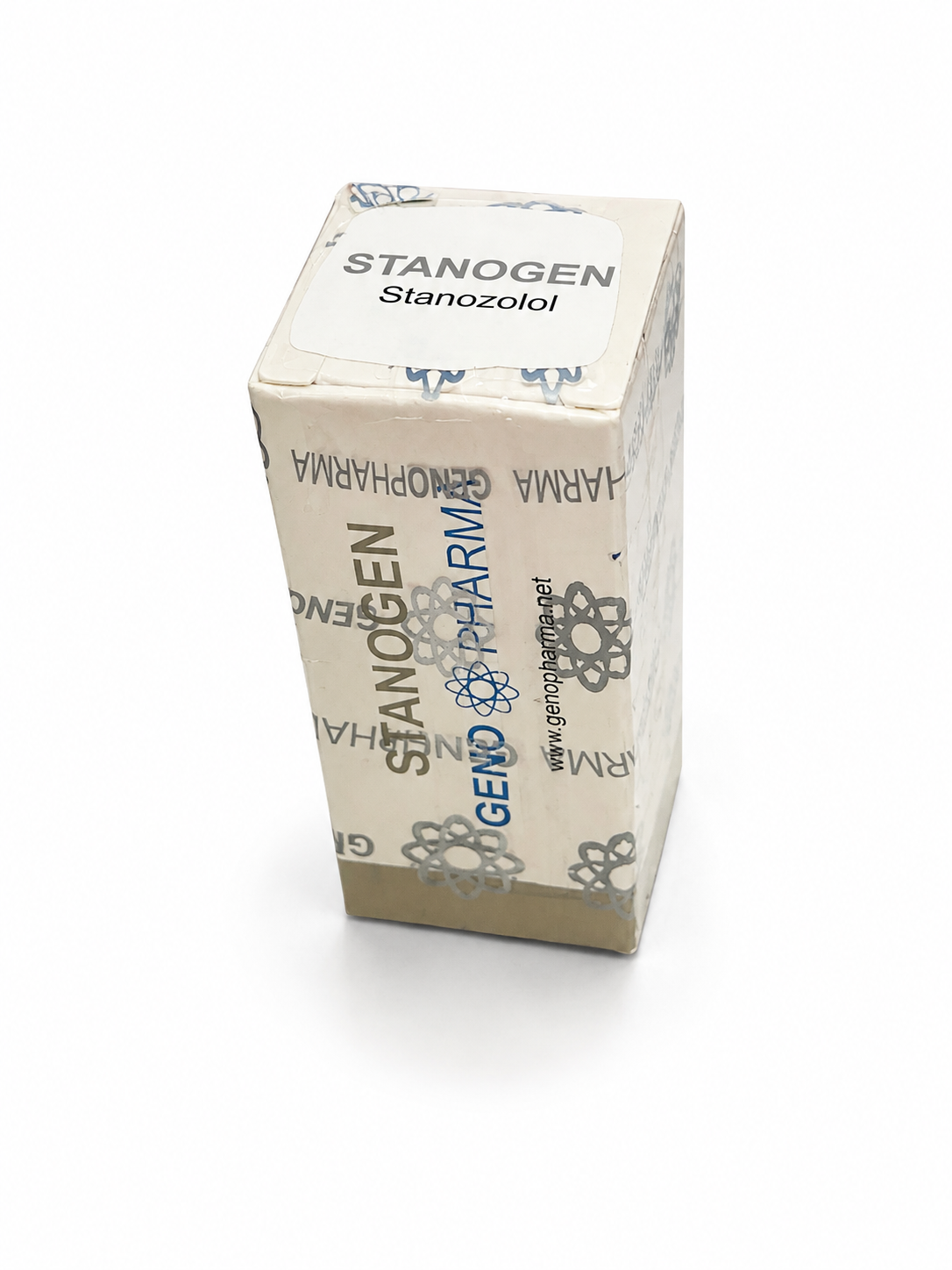
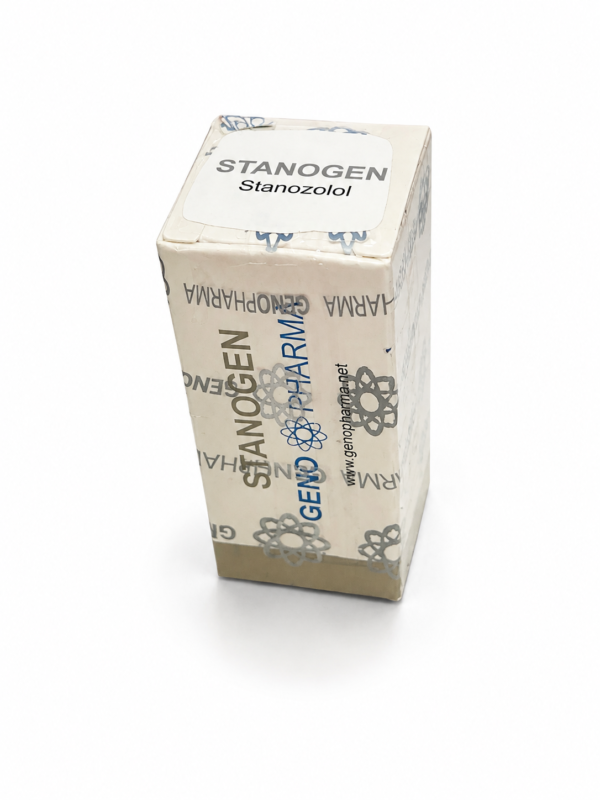
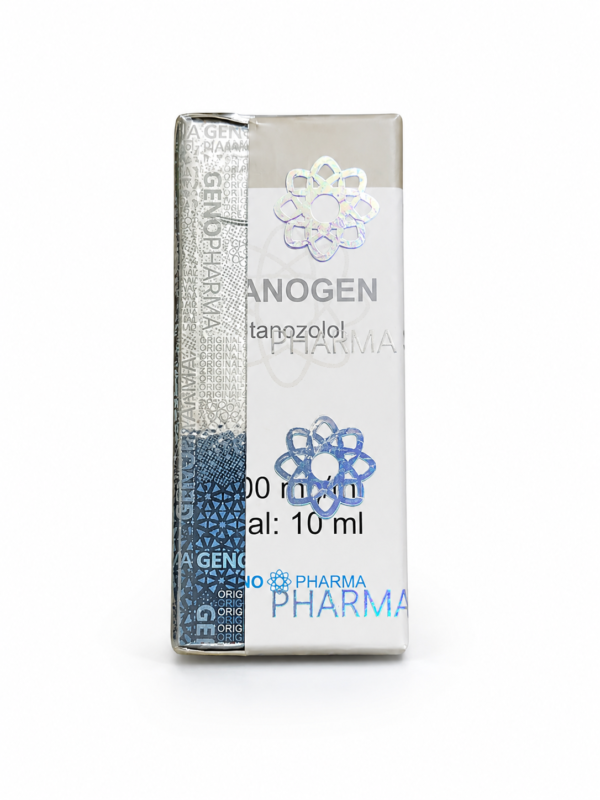
Stanozolol Steroid 100mg 10 ml Geno
Stanozolol Steroid 100mg 10ml – Geno Pharma is an injectable stanozolol formulation containing 100mg/ml in a 10ml vial. Manufactured by Geno Pharma, it offers a high-concentration presentation with clearly labeled product specifications.
Original price was: 99.00$.85.00$Current price is: 85.00$.
Description
Stanozolol Steroid: What It Is, How Winstrol Works, Uses & Risks
Stanozolol is a synthetic anabolic-androgenic steroid, or AAS, derived from dihydrotestosterone. It is widely recognized by the former brand name Winstrol and has been produced in oral and intramuscular formulations. Although stanozolol has a legitimate medical history, most current online interest relates to bodybuilding, cutting phases, athletic performance, dosage questions, and the availability of products sold outside conventional medical channels.
The former FDA-approved U.S. Winstrol product was a 2 mg tablet. Its approval was withdrawn effective August 20, 2010, after the manufacturer reported that the product was no longer marketed and requested the withdrawal. The notice did not present the withdrawal as a new finding that the medication was unsafe or ineffective. Stanozolol nevertheless remains specifically listed among Schedule III anabolic steroids under U.S. federal regulations. It is also prohibited at all times under the 2026 World Anti-Doping Agency Prohibited List.
This article is for educational purposes.
What Is the Stanozolol Steroid?
The stanozolol steroid is a laboratory-produced androgen receptor agonist with both anabolic and androgenic activity. Its molecular formula is C₂₁H₃₂N₂O, and its molecular weight is approximately 328.5 g/mol. It belongs to the anabolic-steroid drug class rather than the corticosteroid class used to control inflammation.
“Anabolic” refers to effects associated with tissue-building processes, while “androgenic” refers to effects related to male sexual development and androgen-sensitive tissues. The terms do not mean that the drug selectively builds muscle without affecting the liver, cardiovascular system, reproductive hormones, skin, hair, or mental health.
Stanozolol Quick Facts
| Characteristic | Evidence-based summary |
|---|---|
| Generic name | Stanozolol |
| Historical brand name | Winstrol |
| Drug class | Synthetic anabolic-androgenic steroid |
| Chemical origin | Dihydrotestosterone-derived compound |
| Molecular formula | C₂₁H₃₂N₂O |
| Administration routes | Oral and intramuscular |
| Historical medical role | Primarily prophylaxis of hereditary angioedema, with several less common historical uses |
| Former U.S. Winstrol strength | 2 mg tablets |
| Current U.S. federal classification | Schedule III controlled substance |
| Sports classification | Prohibited at all times under the 2026 WADA list |
| Principal concerns | Cholestatic liver injury, adverse cholesterol changes, hormonal suppression, reproductive effects and virilization |
These characteristics are documented in federal records, chemical databases, anti-doping guidance and published clinical research.
Is Winstrol a Steroid?
Yes. Winstrol is a steroid. More precisely, Winstrol is a historical brand name for the anabolic-androgenic steroid stanozolol. The phrases Winstrol steroid, stanozolol steroid and stanozolol anabolic steroid refer to the same active compound rather than three different substances.
Stanozolol should not be confused with corticosteroids such as prednisone or hydrocortisone. Corticosteroids regulate inflammation and immune activity, whereas anabolic-androgenic steroids act primarily through androgen-related pathways. A product advertised as a “Winstrol supplement” is not automatically equivalent to prescription stanozolol, even when its name or packaging implies otherwise.
How Does the Stanozolol Anabolic Steroid Work?
Androgen receptor activation
Stanozolol interacts with androgen receptors in androgen-responsive tissues. Once an androgen receptor is activated, it can influence gene transcription and cellular signaling. These mechanisms help explain why anabolic steroids can affect muscle tissue, reproductive function, the liver, sebaceous glands, hair follicles and other organ systems at the same time.
The distinction between anabolic and androgenic effects is therefore relative rather than absolute. Stanozolol may have a different balance of effects from testosterone, but it can still produce acne, menstrual disturbances, sexual dysfunction, testicular changes and other androgen-related adverse effects.
Effects on SHBG do not prevent testosterone suppression
Stanozolol can substantially reduce sex hormone-binding globulin, or SHBG. This observation is often simplified online into the claim that stanozolol automatically “frees testosterone.” That interpretation is incomplete because SHBG is only one part of the endocrine system. A separate human study found that a short course of oral stanozolol reduced serum testosterone by approximately 55%, together with changes in free testosterone, luteinizing hormone and SHBG. The hormonal changes were reversible after discontinuation in that small study, but the findings demonstrate that lower SHBG does not eliminate hypothalamic-pituitary-gonadal suppression.
Why the molecule can be orally active
Stanozolol is a 17α-alkylated anabolic steroid. This structural modification helps the molecule remain active after oral administration, but the same characteristic is strongly associated with the hepatic risks of this drug class. Stanozolol-related liver injury has also been documented after intramuscular administration, so injectable stanozolol should not be described as liver-safe.
What Is Stanozolol Used to Treat?
Historical treatment of hereditary angioedema
The best-known historical medical use of stanozolol was the prevention of attacks in people with hereditary angioedema. This rare disorder can cause recurrent swelling of the skin, gastrointestinal tract and upper airway. Earlier clinical studies evaluated stanozolol as long-term prophylaxis intended to reduce the frequency or severity of attacks rather than as an immediate rescue medication during an active emergency.
Modern treatment has changed substantially. The international WAO/EAACI guideline recommends attenuated androgens only as second-line long-term prophylaxis because of their adverse effects, contraindications and drug interactions. Short courses of attenuated androgens are also treated as second-line options when preferred C1-inhibitor therapy is unavailable. Consequently, historical stanozolol treatment protocols should not be presented as current first-line care.
Other historical medical uses
Stanozolol was previously evaluated or used for conditions such as aplastic anemia, certain vascular disorders, growth-related disorders and central precocious puberty. USADA notes that it is now rarely used for several of these conditions because better treatment options exist. These medical applications do not support its use as a general wellness, weight-loss or bodybuilding medication.
Veterinary use
Stanozolol has also appeared in veterinary medicine, including research and uncommon treatment applications in animals. Veterinary products, concentrations and clinical decisions are not interchangeable with human treatment. A veterinary formulation should never be treated as a substitute for a legally prescribed human medication.
Oral vs. Injectable Stanozolol
Oral tablets and injectable suspensions contain the same active drug, but the route of administration changes how the product is delivered and introduces different practical risks.
| Feature | Oral stanozolol | Injectable stanozolol |
|---|---|---|
| Active compound | Stanozolol | Stanozolol |
| Route | Swallowed | Usually intramuscular |
| Typical physical form | Tablet | Aqueous suspension |
| Liver risk | Present | Still present |
| Additional concerns | Unregulated tablet strength, drug interactions and systemic toxicity | Sterility, contamination, abscesses, tissue injury and inaccurate concentration |
| Main misconception | A small tablet must be mild | Bypassing the digestive tract makes it liver-safe |
USADA recognizes both oral and intramuscular administration. Importantly, a 2025 case series described clinically significant stanozolol-induced liver injury in 18 young men who had used intramuscular products for aesthetic purposes. Black-market injectable steroids also introduce sterility and microbiological contamination risks that do not exist to the same extent with correctly manufactured oral medication.
Stanozolol Steroid for Bodybuilding: What It Actually Does
Stanozolol has a long history of nonmedical use in bodybuilding, particularly during cutting and pre-contest phases. Its popularity is not based solely on bodybuilding folklore. Stanozolol is a pharmacologically active anabolic-androgenic steroid capable of influencing androgen-responsive tissues and protein metabolism. However, the characteristic leaner, harder, and more defined appearance associated with Winstrol needs to be separated from the claim that the drug directly burns body fat.
In bodybuilding, the most noticeable cosmetic effect occurs when an athlete is already relatively lean. Under those conditions, preserving or increasing lean tissue while body fat is being reduced through an energy deficit can increase the visual separation between muscle groups. The resulting physique may therefore appear more muscular, vascular, and sharply defined.
Why Does Stanozolol Make Muscles Look Harder and More Defined?
The characteristic “hard” appearance associated with stanozolol is best understood as a body-composition and visual effect rather than direct fat burning.
Stanozolol is an anabolic steroid, and anabolic activity can favor nitrogen retention and protein synthesis under appropriate physiological conditions. A randomized surgical study, for example, found a significantly less negative nitrogen balance following stanozolol treatment and concluded that the findings were compatible with improved protein synthesis. Reviews of controlled anabolic-steroid studies have also reported significant changes in strength, body weight, or lean body mass in some trials involving stanozolol, although results across studies have not been uniform.
This matters during a cutting phase because muscle definition depends on the relationship between muscle mass and the amount of tissue covering it. If caloric restriction reduces subcutaneous fat while anabolic signaling helps preserve lean tissue, the contours of the underlying musculature become easier to see. At sufficiently low body-fat levels, this can translate visually into deeper muscular separation, greater apparent density, and more visible vascularity.
Therefore, saying that stanozolol can contribute to a more defined physique is reasonable. Saying that it accomplishes this primarily by directly “melting” or burning subcutaneous fat is not supported by current evidence.
Does Stanozolol Burn Fat?
Stanozolol should not be classified as a direct fat-burning drug.
This distinction is important. In a double-blind controlled study of young men undergoing exercise training, stanozolol did not produce a statistically significant advantage over placebo in percentage body fat, skinfold thickness, body weight, strength, or endurance during the short study period. Human research therefore does not establish a clinically meaningful direct lipolytic effect comparable to what would be expected from a drug specifically acting on energy expenditure or appetite.
What bodybuilders describe as a “cutting effect” is better understood as the combination of low existing body fat + continued fat loss from the caloric deficit + preservation or development of lean tissue + the resulting improvement in the muscle-to-fat visual ratio.
This also explains why the same compound will not produce the same appearance in everyone. If substantial subcutaneous fat remains over the muscle, increasing or preserving lean mass does not suddenly reveal striations. The characteristic bodybuilding appearance becomes progressively more noticeable as body fat decreases.
Does Stanozolol Remove Water Retention?
This point also deserves more precision than most bodybuilding articles provide.
Stanozolol is commonly described as producing a “dry” appearance, but it would be inaccurate to state scientifically that stanozolol simply removes subcutaneous water. Human research does not establish a predictable diuretic effect, and at least one randomized perioperative study actually documented significant fluid retention after stanozolol administration.
Consequently, “dry” is primarily a bodybuilding description of appearance, not a validated pharmacological endpoint.
What can be said more confidently is that stanozolol itself does not produce the same estrogen-mediated physiology associated with aromatizable anabolic steroids. The combination of low body fat, muscular preservation and the absence of an estrogenic contribution from stanozolol itself helps explain why experienced users commonly describe the resulting appearance as harder or drier. That should not be confused with proof that the drug pharmacologically drains extracellular water from beneath the skin.
Why Vascularity Can Become More Noticeable
Visible veins are determined primarily by subcutaneous fat thickness, muscular development, vascular anatomy, blood volume, temperature, exercise-induced vasodilation, hydration, and genetics.
Stanozolol does not need to create new superficial veins to make vascularity appear greater. In an already lean athlete, maintaining a larger amount of muscle underneath increasingly thin subcutaneous fat can make existing veins substantially easier to see.
The effect is therefore highly dependent on starting body composition. Someone at very low body fat can experience a dramatic visual difference from relatively small changes in muscle fullness or subcutaneous tissue, whereas someone carrying substantially more fat may notice little additional vascularity.
Stanozolol Is Anabolic, but the Evidence Has Limits
It would also be inaccurate to claim that stanozolol has no measurable anabolic effects simply because bodybuilding is not an approved medical indication.
Human research provides evidence of biological anabolic activity. For example, stanozolol improved postoperative nitrogen balance in a randomized trial, with investigators interpreting the findings as consistent with increased protein synthesis. Laboratory research has additionally demonstrated effects on collagen synthesis through TGF-β1 signaling, further illustrating that stanozolol produces measurable effects on tissue metabolism.
However, this evidence does not establish exactly how many kilograms of muscle a healthy bodybuilder will gain, how much muscle will be preserved during a specific caloric deficit, or how much visual definition will result from a particular exposure. Clinical studies were generally conducted for medical or experimental purposes rather than modern competitive-bodybuilding protocols.
The most accurate conclusion is therefore between the two extremes: stanozolol has genuine anabolic biological activity and can contribute to the lean, muscular appearance for which it is known, but the precise magnitude of that cosmetic effect in bodybuilders has not been established by modern randomized trials.
Is There an Evidence-Based Stanozolol Bodybuilding Cycle?
There is no clinically validated stanozolol dosage for bodybuilding or bodybuilding cycle established through controlled trials.
That does not mean that bodybuilding protocols do not exist or that users do not experience pharmacological effects from them. It means something narrower: the commonly discussed bodybuilding doses and cycle lengths have not gone through the clinical dose-ranging process required to establish an optimal balance of efficacy and safety.
This distinction is particularly important because stanozolol produces measurable adverse biological effects even in controlled human studies. Both oral and intramuscular research has demonstrated substantial deterioration in lipid parameters, including reductions in HDL cholesterol and increases in LDL-related measures.
Therefore, evidence that stanozolol can influence physique and performance does not establish that nonmedical bodybuilding protocols are medically safe.
Is Stanozolol Allowed in Tested Sports?
No. Stanozolol is prohibited by the World Anti-Doping Agency and its use can result in an anti-doping violation for athletes subject to WADA rules.
This is independent of whether the athlete uses stanozolol specifically for muscle retention, appearance, strength, or another purpose. Modern anti-doping testing can identify stanozolol metabolites, so athletes should not interpret bodybuilding discussions about detection times as guarantees that a test will be negative.
Stanozolol Dosage: What “10 mg” and “25 mg” Actually Mean
Searches for stanozolol 10mg dosage, stanozolol 25mg and the abbreviated phrase stanozolol 25 often blur the distinction between a product’s labeled strength and an appropriate medical dose.
A 10 mg or 25 mg label generally describes the stated quantity of active ingredient in one tablet or dosage unit. It does not establish that one tablet is safe, that the product contains the labeled amount, or that the strength has been approved for bodybuilding.
The former FDA-approved U.S. Winstrol product contained 2 mg per tablet. Its approval was withdrawn in 2010 after the sponsor stated that it was no longer marketed. Therefore, an online product labeled 10 mg or 25 mg should not be presented as the same former FDA-approved U.S. product merely because it uses the name Winstrol or stanozolol.
Historical medical dosing was individualized around a diagnosed condition and monitored for adverse effects. Current hereditary-angioedema guidelines place attenuated androgens behind preferred therapies. Those historical prescription practices cannot be converted into an evidence-based bodybuilding dosage.
Stanozolol Steroid Side Effects
Cholestatic liver injury
Liver injury is one of the most important stanozolol risks. The characteristic pattern may involve cholestasis, in which bile flow becomes impaired and bilirubin accumulates.
In the 2025 case series of 18 young men, every patient presented with jaundice and itching. Total bilirubin was markedly elevated, while transaminase elevations were often comparatively modest and gamma-glutamyl transferase remained normal or only slightly elevated. This matters because a user can have serious cholestatic injury without the dramatic ALT or AST increase they expect from other forms of hepatitis.
Warning signs can include:
- Yellowing of the skin or eyes
- Dark urine
- Pale stools
- Persistent or severe itching
- Nausea, fatigue or unexplained weight loss
- Upper abdominal discomfort
Symptoms require medical evaluation and discontinuation of the suspected drug rather than simply reducing the amount or switching from oral to injectable stanozolol. LiverTox specifically discourages merely lowering the anabolic-steroid dose or changing formulations after liver injury develops.
HDL and LDL cholesterol changes
Stanozolol can produce a particularly unfavorable lipid response. In a small controlled study involving male weightlifters, six weeks of oral stanozolol reduced HDL cholesterol by approximately 33% and increased LDL cholesterol by approximately 29%. HDL is involved in reverse cholesterol transport, while elevated LDL contributes to atherosclerotic cardiovascular risk.
These changes may occur even when a user looks lean, exercises regularly or has no immediate symptoms. Physical appearance cannot determine whether cholesterol, blood pressure or vascular risk has worsened.
Testosterone and reproductive suppression
Like other anabolic-androgenic steroids, stanozolol can suppress the hormonal signals that regulate natural testosterone and sperm production. The short human study described earlier found a 55% reduction in serum testosterone after only 14 days of exposure. Longer, higher or combined anabolic-steroid use may produce a different and potentially more prolonged recovery pattern.
Possible consequences include reduced libido, erectile dysfunction, testicular atrophy, reduced sperm production, infertility, fatigue and low mood after discontinuation. The extent and duration vary by individual and cannot be predicted from tablet strength alone.
Effects in women
Women can experience menstrual irregularities, acne, breast-tissue changes and virilization. Virilizing effects may include increased facial or body hair, scalp-hair changes, voice changes and genital changes. Risk is not eliminated by choosing a product marketed as “mild” or by using a lower labeled tablet strength.
Skin, hair and psychological effects
Acne, oily skin and accelerated hair loss in genetically susceptible individuals may occur. Anabolic-steroid exposure and withdrawal can also be associated with mood disturbance, irritability, aggression, anxiety or depressive symptoms. Serious mood deterioration after discontinuation warrants professional assessment rather than unsupervised experimentation with additional hormones or medications.
Injection-related risks
Injectable stanozolol introduces risks involving sterility, concentration accuracy, injection technique and tissue injury. A systematic review found that unregulated injectable anabolic steroids may have microbiological contamination and may contribute to intramuscular abscesses or skin necrosis. Increasing pain, warmth, spreading redness, swelling, drainage or fever after an injection requires medical attention.
Can “Liver Support” Make Stanozolol Safe?
No supplement has been demonstrated to neutralize the hepatic effects of stanozolol or convert a nonmedical cycle into a safe one. Products promoted as “liver support” should not be used to justify continued exposure when jaundice, itching, dark urine or abnormal bloodwork appears.
The principal response to suspected anabolic-steroid liver injury is discontinuation and medical evaluation. Treatment depends on the clinical pattern and severity; adding supplements while continuing the responsible drug can delay appropriate care.
Another important limitation is that a basic enzyme panel does not capture the entire picture. Because stanozolol injury can present with markedly elevated bilirubin but only modest transaminase elevations, a clinician may evaluate bilirubin, alkaline phosphatase, GGT, coagulation markers, symptoms and imaging rather than relying on ALT and AST alone.
Post-Cycle Therapy After Stanozolol: What the Evidence Shows
Post-cycle therapy, usually abbreviated PCT, describes the unsupervised or medically supervised use of prescription-class drugs after anabolic-steroid cessation in an attempt to accelerate hormonal recovery.
The current evidence does not support a universal do-it-yourself protocol. A 2023 survey found that users who self-reported PCT also reported fewer withdrawal symptoms, but the study was observational and could not prove which treatments were effective or establish a standardized regimen. Other research has emphasized that evidence-based recommendations for safe AAS withdrawal management remain limited.
A 2026 retrospective comparative study reported faster hormonal and semen-parameter recovery in selected short-term AAS users who received medical treatment. However, the authors also called for prospective randomized trials before evidence-based treatment protocols can be established. The study evaluated medically documented patients and should not be converted into a universal internet PCT formula.
Clinical evaluation after anabolic-steroid cessation may include symptoms, testosterone, LH, FSH, estradiol and fertility testing when relevant. The appropriate approach depends on prior exposure, time since discontinuation, fertility goals, baseline health and the presence of significant depression or other withdrawal symptoms.
Is Stanozolol Legal in the United States?
Stanozolol is specifically included in the anabolic-steroid section of Schedule III under 21 CFR §1308.13. Its federal classification subjects it to Controlled Substances Act requirements. State regulations may impose additional restrictions.
The historical FDA-approved Winstrol 2 mg tablet is no longer an active commercial product under its former NDA. FDA withdrew that approval effective August 20, 2010, after the sponsor reported that the medication was no longer marketed and requested the action.
The legal status differs between countries. A product that is available under prescription in one jurisdiction may be unapproved, controlled or prohibited in another.
Can You Buy Stanozolol Steroid Online in the US?
A website accepting payment for a product does not establish that the product is lawful, approved, correctly labeled or manufactured under pharmaceutical standards. For U.S. consumers, legitimate access to a controlled prescription drug depends on applicable prescribing and pharmacy requirements—not on a seller’s use of terms such as “pharmaceutical grade,” “legal steroid,” “research product” or “Winstrol supplement.”
The former Winstrol approval has been withdrawn, and stanozolol remains Schedule III. A website offering the drug without the legally required medical and dispensing process should not be treated as equivalent to a licensed pharmacy.
How common are counterfeit anabolic steroids?
A systematic review and meta-analysis covering more than 5,000 black-market anabolic-steroid samples estimated that approximately 36% were counterfeit and an additional 37% were substandard. Products sometimes contained the wrong active ingredient, no active ingredient, multiple undeclared ingredients or a concentration different from the label. The authors noted substantial heterogeneity and limited geographic coverage, so the percentages should not be assumed to apply identically to every country or seller.
The same review found that packaging inspection was generally inadequate for establishing authenticity. Holograms, sealed boxes, professional websites and favorable customer ratings cannot independently verify chemical identity, concentration or sterility.
Stanozolol Brands, Manufacturers and Product Quality
Winstrol is the best-known historical brand name, but it is not a separate steroid. Other manufacturers may use different names depending on the country and local regulatory system.
There is no evidence-based list of the “best stanozolol steroid brands for bodybuilding.” Online rankings typically evaluate popularity, packaging, claimed potency or user reviews rather than verified clinical safety. A legitimate manufacturer must be evaluated through the appropriate national regulator and lawful pharmaceutical supply chain.
Important distinctions include:
- Brand name: The commercial name printed on the package.
- Active ingredient: The substance the product claims to contain.
- Labeled strength: The claimed amount in each tablet or milliliter.
- Pharmaceutical approval: Authorization from the relevant regulator.
- Analytical verification: Laboratory confirmation of identity and concentration.
- Sterility: A separate requirement for injectable products.
A product can have attractive packaging while being underdosed, overdosed, substituted or contaminated. Visual inspection alone cannot confirm pharmaceutical quality.
Stanozolol vs. Winstrol, Testosterone and Corticosteroids
| Comparison | Main difference |
|---|---|
| Stanozolol vs. Winstrol | There is no active-ingredient difference. Winstrol is a historical brand name for stanozolol. |
| Stanozolol vs. testosterone | Testosterone is a naturally occurring human hormone and has approved replacement indications. Stanozolol is a synthetic DHT-derived AAS with a different clinical and adverse-effect profile. |
| Stanozolol vs. corticosteroids | Stanozolol is anabolic-androgenic. Corticosteroids are primarily used to regulate inflammation and immune activity. |
| Oral vs. injectable stanozolol | Both contain stanozolol. The route changes administration and local risks, but neither route eliminates systemic or hepatic effects. |
| Stanozolol vs. a dietary supplement | Stanozolol is a controlled drug, not a vitamin, botanical ingredient or ordinary sports supplement. |
In the controlled trial comparing oral stanozolol with intramuscular testosterone, stanozolol produced a substantially more unfavorable HDL and LDL response. The compounds are therefore not interchangeable merely because both belong to the broader androgen category.
When to Seek Medical Care
Anyone exposed to stanozolol should seek prompt medical assessment for yellow skin or eyes, dark urine, severe itching, chest pain, difficulty breathing, sudden neurological symptoms, severe abdominal pain, rapidly worsening mood, suicidal thoughts, or a painful and increasingly inflamed injection site.
Jaundice and severe itching are particularly important because stanozolol-associated cholestasis can be prolonged and may occur with less dramatic transaminase elevations than users expect.
Frequently Asked Questions
Is Winstrol a steroid?
Yes. Winstrol is the historical brand name for stanozolol, a synthetic anabolic-androgenic steroid derived from dihydrotestosterone.
What is stanozolol steroid?
Stanozolol is a controlled anabolic-androgenic drug that activates androgen-related pathways. It has been administered orally and intramuscularly and was historically used for conditions such as hereditary angioedema.
Is stanozolol a steroid or not?
Stanozolol is a steroid. It belongs specifically to the anabolic-androgenic steroid class, not the anti-inflammatory corticosteroid class.
What is stanozolol used to treat?
Its best-known historical human use was prophylaxis of hereditary angioedema. Current international guidance places attenuated androgens among second-line options rather than preferred first-line treatment.
What are stanozolol steroid tablet uses?
Prescription stanozolol tablets were historically used for diagnosed medical conditions under supervision. Bodybuilding, cosmetic cutting and fat loss are not approved stanozolol tablet indications.
What is the stanozolol 10mg dosage?
“10 mg” describes a product strength, not a universal dosage. There is no FDA-approved 10 mg bodybuilding protocol, and a 10 mg label does not prove that an unregulated tablet contains 10 mg of stanozolol.
What does stanozolol 25 mean?
The phrase usually refers to a product labeled as containing 25 mg per tablet or dosage unit. It does not establish product authenticity, regulatory approval or an appropriate dose.
What is the recommended stanozolol dosage for bodybuilding?
There is no medically established or FDA-approved bodybuilding dosage. Online cycles are not validated safety protocols and may expose users to liver, lipid, hormonal, reproductive and cardiovascular harm.
Is injectable stanozolol safer for the liver than tablets?
It should not be described as liver-safe. Clinically significant cholestatic liver injury has been documented in people using intramuscular stanozolol.
Does stanozolol cause testosterone suppression?
Yes. A small human study reported a 55% reduction in serum testosterone after a short course, along with changes in other reproductive hormones.
Does stanozolol directly burn body fat?
It has no FDA-approved fat-loss indication, and current evidence does not establish it as a direct fat-burning treatment. Its bodybuilding reputation is primarily associated with nonmedical use during cutting phases.
Is stanozolol prohibited in sports?
Yes. It is prohibited at all times under the 2026 WADA Prohibited List.
Is stanozolol legal in the United States?
It is a Schedule III controlled substance. The former FDA-approved Winstrol 2 mg product had its approval withdrawn in 2010 after it was no longer marketed.
Can stanozolol be bought legally online?
Legal dispensing depends on the applicable prescription, pharmacy and controlled-substance requirements. An unlicensed website selling stanozolol without the required medical process is not equivalent to a regulated pharmacy.
Is post-cycle therapy always necessary?
There is no universal, evidence-based PCT protocol for every anabolic-steroid user. Hormonal recovery and treatment needs vary, and available studies still call for better controlled research.
Conclusion
The stanozolol steroid, historically known as Winstrol, is a genuine anabolic-androgenic drug rather than a supplement or harmless cutting aid. It has a documented medical history, particularly in hereditary angioedema, but modern guidelines place attenuated androgens behind newer treatment options.
Nonmedical use introduces clinically meaningful risks. Published evidence connects stanozolol with cholestatic liver injury, major reductions in HDL, increases in LDL, suppression of natural testosterone, reproductive effects and virilization. Injectable administration does not eliminate liver toxicity, while unregulated injectables add contamination and sterility concerns.
For U.S. readers, stanozolol remains a Schedule III controlled substance, the former Winstrol approval has been withdrawn, and the drug is prohibited at all times in tested sport. Product strength, attractive packaging, brand reputation and online reviews cannot replace a lawful supply chain, verified pharmaceutical manufacturing or medical supervision.
Author
Michael R. Carter, PharmD
Senior Clinical Pharmacology Writer
Michael R. Carter, PharmD, is a clinical pharmacology writer specializing in anabolic-androgenic steroids, endocrinology, sports medicine, and evidence-based pharmacology. He has over 15 years of experience reviewing clinical literature, FDA documentation, pharmacokinetic studies, and anti-doping research. His work focuses on translating complex medical evidence into comprehensive educational resources for healthcare professionals, researchers, and informed readers.
Areas of expertise
- Clinical Pharmacology
- Anabolic-Androgenic Steroids
- Endocrinology
- Sports Medicine
- Drug Safety
- Pharmacokinetics
- Evidence-Based Medicine
Primary Medical Reviewer
Jennifer L. Reynolds, MD
Board-Certified Endocrinologist
Dr. Jennifer L. Reynolds specializes in hormone disorders, testosterone replacement therapy, anabolic steroid endocrinology, male reproductive health, and metabolic diseases. She reviews all medical content for scientific accuracy, consistency with current endocrine literature, and clinical relevance.
Medical Review Areas
- Endocrinology
- Hormone Disorders
- Testosterone Therapy
- Male Reproductive Health
- Performance-Enhancing Drugs
- Metabolic Medicine
Secondary Medical Reviewer
David A. Mitchell, MD, FACP
Board-Certified Internal Medicine Physician
Dr. Mitchell reviews articles for internal medicine accuracy, cardiovascular safety, hepatic complications, drug interactions, and risk assessment. His review ensures that all clinical statements are supported by current medical literature and follow evidence-based practice.
Review Areas
- Internal Medicine
- Hepatology
- Cardiovascular Medicine
- Clinical Pharmacology
- Preventive Medicine
- Drug Safety
Fact Checker
Emily J. Thompson, MSc
Medical Research Editor
Emily Thompson specializes in systematic literature review, scientific fact verification, reference validation, and medical editing. She verifies every citation, numerical claim, pharmacokinetic value, and regulatory statement before publication.
Editorial Process
Every article published undergoes the following quality assurance process:
- Scientific literature review
- Primary author drafting
- Independent medical review
- Secondary physician review
- Fact checking
- Editorial review
- Final publication
- Scheduled evidence updates
Publication Information
Originally Published: September 1, 2026
Last Medically Reviewed: September 1, 2026
Next Scheduled Review: September 2027



Reviews
There are no reviews yet.