




No products in the cart.
-37%On Sale
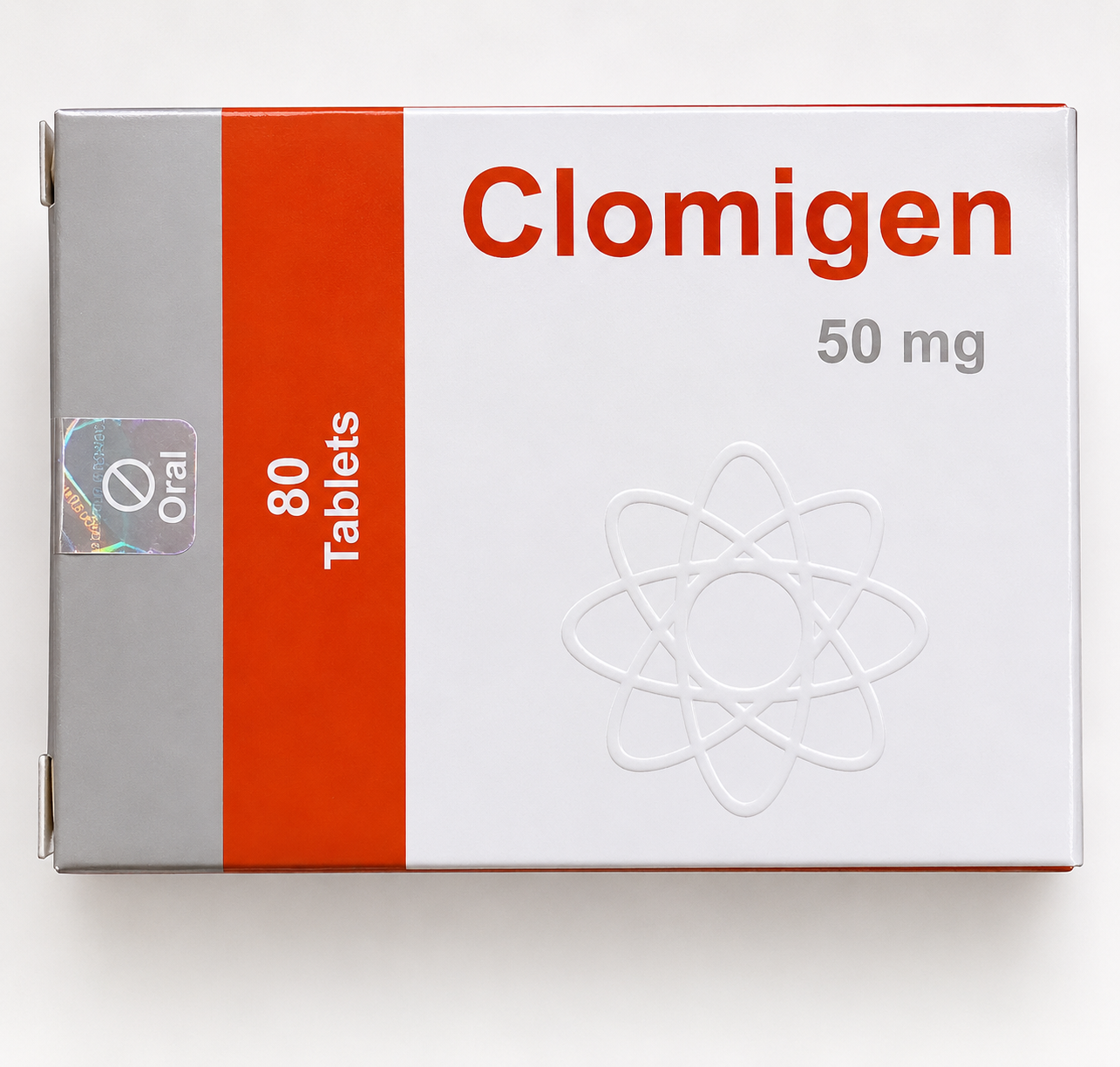
Buy Clomid Online | 50mg 80 tablets
Buy Clomid Online | Clomiphene Citrate 50mg – 80 Tablets by Geno Pharma
Clomiphene Citrate 50mg by Geno Pharma is a pharmaceutical-grade selective estrogen receptor modulator (SERM) commonly used in fertility treatment and hormonal support protocols. Each package contains 80 tablets of 50mg Clomid, providing a convenient supply for patients and individuals following physician-directed treatment plans. Clomiphene works by influencing estrogen receptors in the hypothalamus, helping stimulate the natural production of luteinizing hormone (LH) and follicle-stimulating hormone (FSH), which play critical roles in reproductive and endocrine function. In women, it is widely recognized for ovulation induction, while in men it may be prescribed in specific cases to support endogenous testosterone production and fertility. Manufactured by Geno Pharma, a well-known pharmaceutical company specializing in hormonal medications, this product is valued for its quality standards, consistency, and reliability. As with any prescription medication, Clomid should be used under the supervision of a qualified healthcare professional who can determine appropriate dosing, treatment duration, and monitoring requirements.
Original price was: 110.00$.69.00$Current price is: 69.00$.
Description
Where to Buy Clomid Online Safely, What to Check First, and Whether You Can Buy Clomid Online Legally

For people researching buy Clomid online, the most important point is not simply finding a source, but understanding whether the medication is appropriate, legal, properly prescribed, and medically supervised. Clomid, also known as clomiphene citrate, is a prescription medication used mainly in fertility treatment and, in selected cases, in male hormonal health under clinical guidance.
Many patients search questions such as where can I buy Clomid online, where to buy Clomid online, can you buy Clomid online, or can I buy Clomid online. These searches all point to the same underlying concern: how to access Clomid safely without exposing oneself to counterfeit medication, incorrect dosing, or unsupervised hormonal treatment.
Why Medical Supervision Matters Before Buying Clomid Online
Clomid affects the hypothalamic-pituitary-gonadal axis, meaning it can influence hormone signaling, ovulation, testosterone production, LH, FSH, and estradiol levels. Because of this, it should not be treated like a general wellness supplement.
Before using Clomid, a healthcare professional may evaluate:
For Women
- Ovulation status
- Fertility history
- PCOS or other reproductive conditions
- Pregnancy risk
- Ovarian response
- Contraindications
For Men
- Total and free testosterone
- LH and FSH
- Estradiol
- Semen parameters when fertility is a concern
- Symptoms of secondary hypogonadism
- Risk factors for hormonal imbalance
How to Identify a Legitimate Online Clomid Provider
A safe online option should generally include a licensed medical review, prescription verification, pharmacist support, transparent sourcing, and clear patient safety information. Websites that sell Clomid without requiring any health assessment may pose a higher risk.
Signs of a More Reliable Online Pharmacy or Telehealth Service
- Requires a valid prescription or physician consultation
- Provides licensed medical oversight
- Lists pharmacy credentials
- Offers clear dosage and safety information
- Includes patient support for side effects or questions
Warning Signs to Avoid
- No prescription requirement
- No medical questionnaire
- No physician or pharmacist contact
- Unrealistic claims about fertility or testosterone
- Extremely low pricing compared with standard pharmacy costs
- No clear company identity or medication sourcing details
Can You Buy Clomid Online Without a Prescription?
In many regions, Clomid is regulated as a prescription medication. That means online access may be possible, but usually through a licensed pharmacy or telemedicine platform after medical evaluation. Buying it without appropriate medical oversight can increase the risk of improper use, side effects, or treatment failure.
Key Takeaway
Patients asking where they can buy Clomid online should focus less on speed and more on safety, legality, and medical appropriateness. The safest path is through a qualified healthcare provider who can determine whether Clomid fits the patient’s clinical situation and monitor treatment outcomes.
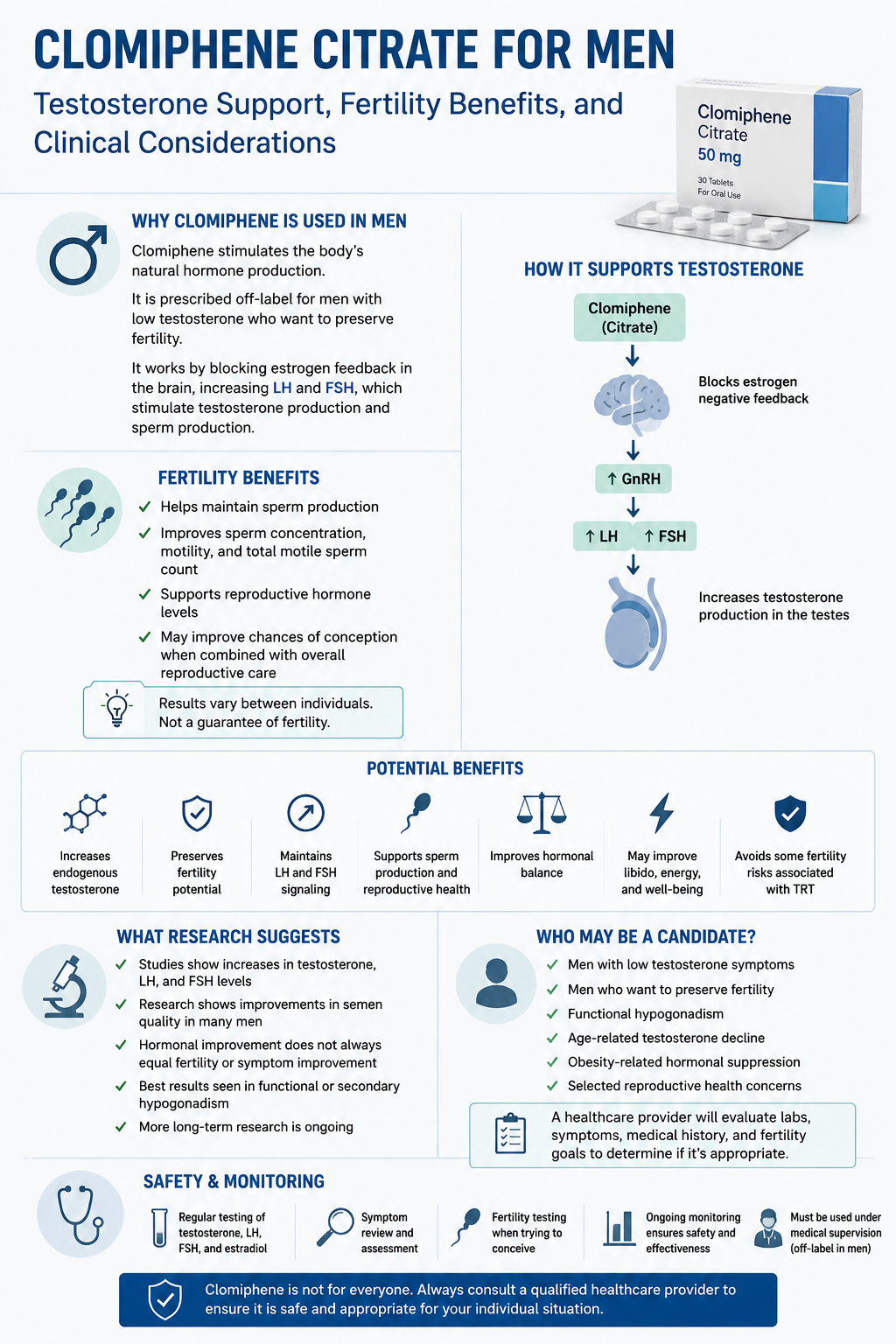
Clomiphene Citrate for Men: Testosterone Support, Fertility Benefits, and Clinical Considerations
Why Clomiphene Citrate Is Used in Men
Although clomiphene citrate was originally developed as a fertility medication for women, it has become increasingly relevant in men’s health due to its ability to stimulate natural hormone production. In clinical practice, clomiphene is commonly prescribed off-label for men experiencing symptoms associated with low testosterone who also wish to preserve fertility.
Unlike traditional testosterone replacement therapy (TRT), which introduces testosterone from an external source, clomiphene works by stimulating the hypothalamic-pituitary-gonadal axis. By reducing estrogen-mediated negative feedback within the hypothalamus and pituitary gland, the medication increases gonadotropin-releasing hormone (GnRH) signaling, leading to greater production of luteinizing hormone (LH) and follicle-stimulating hormone (FSH). These hormones are essential for testosterone synthesis and sperm production.
Because it supports endogenous testosterone production rather than replacing testosterone directly, clomiphene citrate has become an important option for selected men seeking hormonal support while maintaining reproductive function.
Clomiphene Citrate for Testosterone Support
One of the primary reasons men use clomiphene citrate is its potential ability to increase testosterone levels naturally. By stimulating LH production, clomiphene encourages the testes to produce more testosterone while preserving the hormonal communication between the brain and reproductive system.
This mechanism differs significantly from TRT. While testosterone replacement therapy can effectively raise testosterone concentrations, it may suppress LH and FSH production, potentially reducing sperm count and fertility. Clomiphene, on the other hand, helps maintain these hormonal signals, making it an attractive option for men who are concerned about future fertility or who wish to avoid the reproductive suppression associated with exogenous testosterone.
Current research consistently demonstrates improvements in total testosterone, LH, and FSH levels among appropriately selected patients. However, treatment success should not be measured solely by laboratory values. Symptom improvement, energy levels, libido, reproductive goals, and overall quality of life are equally important considerations.
Clomiphene Citrate and Male Fertility
One of the most clinically significant advantages of clomiphene citrate is its potential role in fertility preservation. Because the medication stimulates rather than suppresses gonadotropin production, it may help maintain the hormonal environment required for spermatogenesis.
Studies have reported improvements in sperm concentration, sperm motility, total motile sperm count, and reproductive hormone levels in selected patients. However, fertility outcomes remain highly individualized. While hormonal and semen parameters may improve, successful conception depends on numerous factors involving both male and female reproductive health.
For this reason, clomiphene should be viewed as a fertility-supportive therapy rather than a guaranteed fertility treatment.
Potential Benefits of Clomiphene Citrate for Men
For appropriately selected patients, clomiphene citrate may offer several potential benefits:
- Increased endogenous testosterone production
- Preservation of fertility potential
- Maintenance of LH and FSH signaling
- Support for sperm production and reproductive health
- Improved hormonal balance
- Potential improvements in libido, energy, and well-being
- Avoidance of some fertility-related concerns associated with traditional testosterone replacement therapy
Individual responses vary considerably, and not every patient will experience the same degree of improvement.
What Current Research Suggests
The scientific literature surrounding clomiphene citrate in men continues to expand. Recent studies have consistently demonstrated favorable effects on testosterone levels and endocrine markers, particularly among men with functional or secondary hypogonadism.
Research has also shown encouraging improvements in semen quality among selected patient populations. However, experts continue to emphasize that hormonal improvements do not automatically translate into identical fertility outcomes, symptom resolution, or long-term clinical benefits. Additional research is ongoing to better understand long-term effectiveness and safety.
Current evidence suggests that men with functional hypogonadism, obesity-related hormonal suppression, or secondary endocrine dysfunction may be more likely to respond favorably than men with primary testicular failure, where the testes themselves have a reduced capacity to respond to hormonal stimulation.
Who May Be a Candidate for Treatment?
Clomiphene citrate may be considered for men experiencing symptoms associated with low testosterone while maintaining a desire for fertility preservation. It is frequently discussed in cases involving functional hypogonadism, age-related testosterone decline, obesity-associated hormonal suppression, and selected reproductive health concerns.
Before treatment begins, healthcare providers typically evaluate testosterone levels, LH, FSH, estradiol, medical history, symptoms, and fertility objectives. This comprehensive assessment helps determine whether clomiphene is an appropriate therapeutic option and whether additional investigation may be required.
Safety and Monitoring Considerations
Because clomiphene citrate is used off-label in men, ongoing medical supervision is essential. Follow-up evaluations commonly include repeat testosterone testing, gonadotropin assessment, estradiol monitoring when indicated, symptom review, and fertility testing when conception is a goal.
Patients should understand that clomiphene is not a universal solution for every cause of low testosterone or male infertility. The most effective treatment approach depends on the underlying diagnosis, reproductive goals, overall health status, and individual response to therapy. Regular monitoring allows clinicians to optimize treatment while minimizing potential risks and adverse effects.
Clomiphene Side Effects: Common Reactions, Serious Risks, and When to Seek Medical Attention
Common Clomiphene Side Effects
Like all prescription medications, clomiphene citrate can cause side effects, although not every patient will experience them. The most commonly reported reactions include hot flashes, headaches, nausea, breast tenderness, abdominal discomfort, bloating, mood changes, and visual disturbances. Some women may also experience pelvic discomfort or irregular uterine bleeding during treatment.
In many cases, these side effects are mild and temporary. However, patients should closely monitor their symptoms and report any persistent or worsening reactions to their healthcare provider.
Serious Risks and Warning Signs
While uncommon, certain side effects require immediate medical attention. One of the most important concerns associated with clomiphene is ovarian hyperstimulation syndrome (OHSS), a potentially serious condition that may cause significant abdominal swelling, pelvic pain, rapid weight gain, nausea, shortness of breath, and fluid retention.
Visual disturbances also deserve special attention. Blurred vision, flashes of light, spots, or other changes in vision should never be ignored, as these symptoms may indicate the need to discontinue treatment and undergo further medical evaluation.
Patients should also be aware that clomiphene can increase the likelihood of multiple pregnancies, including twins and higher-order multiples, compared with natural conception.
Side Effects in Men
Although clomiphene is commonly prescribed off-label for male hormonal support, men may also experience adverse effects. Reported side effects include mood changes, headaches, dizziness, visual disturbances, changes in libido, breast tenderness, and symptoms related to hormonal fluctuations.
Because individual responses vary, ongoing medical monitoring is important to ensure that treatment remains both safe and effective.
When to Stop Treatment and Contact a Doctor
Patients should seek prompt medical attention if they experience severe pelvic pain, significant abdominal swelling, rapid weight gain, persistent headaches, shortness of breath, chest pain, or any changes in vision. These symptoms may indicate a serious adverse reaction that requires immediate evaluation.
Clomiphene citrate is generally well tolerated when used appropriately under medical supervision, but understanding potential side effects and warning signs is an important part of safe treatment and informed decision-making.
Clomiphene Citrate 50 mg: Understanding the Most Commonly Prescribed Strength
What Does Clomiphene Citrate 50 mg Mean?
Clomiphene citrate 50 mg refers to the amount of active ingredient contained in each tablet. This strength is the most commonly prescribed and has served as the standard reference dose in clinical practice for decades. Because many treatment protocols begin with this dosage, it remains one of the most widely recognized clomiphene strengths among healthcare providers and patients.
The 50 mg tablet is used as the foundation for individualized treatment plans, allowing physicians to evaluate response, monitor outcomes, and determine whether dose adjustments are necessary based on a patient’s specific clinical situation.
Why Is the 50 mg Strength So Common?
The popularity of clomiphene citrate 50 mg is largely due to its role as the traditional starting dose in many fertility treatment protocols. Healthcare professionals often begin treatment conservatively and assess how the patient responds before considering any changes.
This approach helps balance effectiveness with safety while reducing the risk of unnecessary medication exposure. In many cases, patients achieve the desired therapeutic response without requiring higher doses.
Clomiphene Citrate 50 mg in Modern Clinical Practice
Although fertility treatment has evolved significantly over the years, the 50 mg tablet remains an important part of contemporary reproductive medicine. It continues to be used in both established and individualized treatment strategies under medical supervision.
In men’s health, clomiphene citrate 50 mg has also appeared in various off-label treatment protocols aimed at supporting endogenous testosterone production and fertility preservation. However, the appropriate dosage may vary depending on hormonal status, treatment goals, laboratory findings, and physician recommendations.
Why Dosage Should Always Be Individualized
While 50 mg is a commonly prescribed strength, there is no universal dose that is appropriate for every patient. Factors such as age, medical history, hormonal profile, fertility objectives, and treatment response all influence dosing decisions.
Patients should also understand that the number of tablets contained in a package does not represent a predetermined treatment course. The duration of therapy and total medication exposure should always be determined by a qualified healthcare professional based on ongoing evaluation and clinical progress.
Clomiphene Mechanism of Action: How Clomiphene Citrate Influences Hormones and Fertility
How Clomiphene Changes Estrogen Feedback
Clomiphene citrate is classified as a selective estrogen receptor modulator (SERM) that works by interacting with estrogen receptors throughout the body. Its primary therapeutic effect occurs within the hypothalamus and pituitary gland, where it reduces the normal negative feedback exerted by circulating estrogen.
Under normal physiological conditions, estrogen signals the brain to reduce the production of gonadotropin-releasing hormone (GnRH), luteinizing hormone (LH), and follicle-stimulating hormone (FSH). Clomiphene interferes with this feedback loop, causing the brain to perceive estrogen activity as lower than it actually is. As a result, GnRH secretion increases, stimulating the release of LH and FSH.
This hormonal response is the foundation of clomiphene’s clinical effects in both women and men.
The Clomiphene Hormonal Pathway
| Step | Physiological Response |
|---|---|
| 1 | Clomiphene binds to estrogen receptors in the hypothalamus and pituitary gland |
| 2 | Estrogen-mediated negative feedback is reduced |
| 3 | Gonadotropin-releasing hormone (GnRH) secretion increases |
| 4 | Luteinizing hormone (LH) and follicle-stimulating hormone (FSH) levels rise |
| 5 | The ovaries or testes receive stronger hormonal stimulation |
| 6 | Ovulation may occur in women and testosterone production may increase in men |
Why LH and FSH Increase
The increase in LH and FSH is responsible for many of clomiphene’s therapeutic benefits. In women, elevated gonadotropin levels promote follicular growth, ovarian maturation, and ovulation. This makes clomiphene one of the most widely studied medications for ovulation induction in women with certain forms of infertility.
In men, increased LH stimulates Leydig cells within the testes to produce more testosterone, while increased FSH supports Sertoli cell activity and sperm production. This mechanism explains why clomiphene is frequently discussed as a fertility-preserving alternative to conventional testosterone replacement therapy.
How Clomiphene Works in Women
For women experiencing ovulatory dysfunction, clomiphene helps restore hormonal signaling necessary for normal ovulation. By increasing gonadotropin secretion, the medication promotes follicle development and can trigger the release of a mature egg during the menstrual cycle.
This effect has made clomiphene a cornerstone treatment in reproductive medicine for decades, particularly among women with anovulation or irregular ovulation patterns.
How Clomiphene Works in Men
Although its use in men is considered off-label, clomiphene has gained significant attention for its ability to support endogenous testosterone production. Unlike testosterone replacement therapy, which introduces testosterone from an external source, clomiphene stimulates the body’s natural hormone production pathways.
Because gonadotropin signaling remains active, many men can increase testosterone levels while maintaining fertility potential and sperm production, making the medication particularly attractive for patients who wish to preserve reproductive function.
Why the Mechanism Influences Treatment Outcomes
Understanding the mechanism of action helps explain both the benefits and limitations of clomiphene citrate. The same receptor interactions that stimulate ovulation and testosterone production can also influence other estrogen-responsive tissues, including the endometrium, cervix, and reproductive tract.
As a result, hormonal improvements do not always translate directly into identical fertility outcomes for every patient. This is one reason modern fertility treatment increasingly emphasizes individualized therapy and careful patient selection rather than a one-size-fits-all approach.
By influencing the hypothalamic-pituitary-gonadal axis, clomiphene citrate remains one of the most important medications for ovulation support, fertility management, and hormone optimization, with a mechanism that continues to be extensively studied in both women and men.
Clomiphene Doses: How Dosing Varies by Medical Use
Standard Female Dose for Ovulation Support
In women with ovulatory dysfunction, clomiphene is commonly started at 50 mg once daily for 5 days. If ovulation occurs at this dose, increasing the dose in later cycles is generally not necessary. If ovulation does not occur, a clinician may consider a higher dose, commonly 100 mg daily for 5 days, depending on the patient’s response and safety profile.
The key point is that dose escalation should be based on medical response, not on impatience or tablet availability. More medication does not always mean better results, and unnecessary exposure may increase the risk of side effects.
Off-Label Male Dose Ranges
In men, clomiphene dosing is off-label and less standardized. Clinical protocols often use lower or intermittent dosing schedules, such as 25 mg every other day, 50 mg every other day, or 50 mg daily in selected cases. The appropriate approach depends on testosterone levels, LH and FSH results, estradiol response, fertility goals, symptoms, and tolerance.
Because male use is not universally standardized, treatment should be guided by laboratory monitoring and clinical follow-up rather than a fixed one-size-fits-all regimen.
Dosing Comparison by Clinical Context
| Clinical context | Commonly discussed regimen | Main follow-up needs | Evidence strength |
|---|---|---|---|
| Female ovulatory dysfunction | 50 mg daily for 5 days; may increase to 100 mg daily for 5 days if ovulation does not occur | Pregnancy exclusion, ovulation tracking, pelvic assessment, ultrasound when needed | Strong; official labeling and long-standing clinical use |
| Male functional hypogonadism | Often 25–50 mg every other day or individualized schedules | Morning testosterone, LH, FSH, estradiol, symptoms | Moderate for hormone improvement; less certain for long-term outcomes |
| Male infertility with abnormal semen parameters | Some studies use 50 mg daily for several months | Semen analysis, testosterone, adverse-effect review | Emerging evidence |
| Post-anabolic-steroid hormone suppression | Protocols vary and remain investigational | Hormones, mood, liver markers, hematologic profile | Limited and preliminary |
Why More Is Not Always Better
Clomiphene dosing should always separate tablet strength from treatment plan. A 50 mg tablet does not automatically mean that every patient should take 50 mg daily, and a larger tablet count does not define a full treatment cycle.
The safest dosing approach is individualized. Patients should use clomiphene only under medical supervision, with follow-up based on symptoms, hormone levels, fertility goals, and side-effect risk.
Clomiphene Citrate for Women: Ovulation Support, Fertility Benefits, and Treatment Considerations
How Clomiphene Citrate Works in Women
Clomiphene citrate has been used in reproductive medicine for decades and remains one of the most recognized oral medications for ovulation induction. Its primary role is to help women who experience ovulatory dysfunction, particularly those who do not ovulate regularly or who have difficulty conceiving due to anovulation.
By reducing estrogen-related negative feedback within the hypothalamic-pituitary-ovarian axis, clomiphene stimulates the release of follicle-stimulating hormone (FSH) and luteinizing hormone (LH). These hormonal changes encourage follicular development and increase the likelihood of ovulation.
Although newer fertility medications have emerged, clomiphene citrate continues to play an important role in carefully selected patients and remains a well-established treatment option in modern reproductive care.
Who May Benefit From Clomiphene Citrate?
Clomiphene is most commonly prescribed for women with ovulatory disorders, including certain cases of polycystic ovary syndrome (PCOS) and other forms of anovulatory infertility. However, treatment decisions should always be individualized because fertility outcomes depend on many factors beyond ovulation alone.
Before treatment begins, healthcare providers typically evaluate reproductive health, hormone levels, thyroid function, prolactin status, ovarian health, and other potential causes of infertility. Male-factor infertility should also be assessed when conception is the goal.
Ovulation Timing After Clomiphene Treatment
One of the most common questions patients ask is when ovulation occurs after taking clomiphene citrate. In most treatment protocols, the medication is taken for five consecutive days early in the menstrual cycle. Ovulation commonly occurs approximately 5 to 10 days after the final tablet, although timing can vary from patient to patient.
Understanding this ovulation window is important because it helps optimize the timing of intercourse, intrauterine insemination (IUI), or other fertility interventions.
Typical Clomiphene Ovulation Timeline
| Treatment Stage | What Typically Happens |
|---|---|
| Cycle Days 2–5 | Baseline evaluation, pregnancy exclusion, and monitoring when needed |
| Early Menstrual Cycle | Clomiphene citrate is prescribed for 5 consecutive days |
| Cycle Days 10–14 | Follicular development and monitoring in selected patients |
| Approximately 5–10 Days After Final Dose | Most likely ovulation window |
| About Two Weeks After Ovulation | Pregnancy testing if menstruation has not occurred |
Why Monitoring May Be Important
While many women can use clomiphene successfully with minimal intervention, some patients may benefit from additional monitoring. Ultrasound evaluation can help assess follicular development, identify excessive ovarian response, and reduce the risk of multiple pregnancies.
Monitoring becomes particularly valuable in women with PCOS, irregular cycles, previous fertility treatment failures, or increased risk factors for ovarian hyperstimulation and multiple follicle development.
When Other Fertility Treatments May Be Preferred
Clomiphene citrate remains an evidence-based option for ovulation induction, but it is not always the first choice for every patient. Current fertility guidelines often recommend letrozole as a first-line treatment for many women with PCOS because of its favorable reproductive outcomes in selected populations.
This does not mean clomiphene is ineffective. Rather, it highlights the importance of individualized treatment plans that consider age, fertility history, hormonal profile, body weight, reproductive goals, and response to previous therapies.
Important Safety Considerations for Women
Like all fertility medications, clomiphene citrate requires appropriate medical supervision. Women should be aware of potential side effects, including hot flashes, headaches, visual disturbances, pelvic discomfort, ovarian enlargement, and an increased likelihood of multiple pregnancy.
Patients should contact their healthcare provider if they experience severe abdominal pain, significant bloating, rapid weight gain, shortness of breath, or visual symptoms during treatment. Regular clinical follow-up helps ensure safe use and allows treatment to be adjusted according to individual response.
Setting Realistic Expectations
One of the most important concepts in fertility treatment is understanding that ovulation does not automatically guarantee pregnancy. Clomiphene citrate may improve ovulatory function, but successful conception also depends on egg quality, sperm quality, tubal health, uterine conditions, timing, and overall reproductive health.
For this reason, clomiphene should be viewed as a valuable fertility tool rather than a guaranteed solution. The most successful outcomes are typically achieved through individualized care, appropriate monitoring, and evidence-based treatment planning.
Clomiphene Bodybuilding: Why It Is Used After Steroid Cycles and What the Science Says
Why Bodybuilders Use Clomiphene Citrate
Clomiphene citrate has become widely discussed within bodybuilding and performance-enhancement communities because of its effects on the hypothalamic-pituitary-gonadal (HPG) axis. Unlike anabolic steroids, which suppress natural testosterone production, clomiphene is used in an attempt to stimulate the body’s own hormonal signaling pathways after suppression has occurred.
During or after anabolic-androgenic steroid (AAS) use, many individuals experience reduced luteinizing hormone (LH) and follicle-stimulating hormone (FSH) production. This suppression can lead to low testosterone levels, decreased libido, fatigue, fertility issues, mood changes, and loss of muscle mass. Clomiphene is often discussed because it may help reactivate endogenous hormone production by increasing LH and FSH secretion.
How Clomiphene Works After Steroid Use
Clomiphene acts as a selective estrogen receptor modulator (SERM). By reducing estrogen-related negative feedback at the hypothalamus and pituitary gland, it can increase gonadotropin-releasing hormone (GnRH) activity, leading to higher LH and FSH levels.
For bodybuilders, the goal is usually not to gain muscle directly from clomiphene itself. Instead, the objective is to support the recovery of natural testosterone production after a cycle of anabolic steroids. This hormonal recovery may help reduce some of the symptoms associated with post-cycle testosterone suppression.
Clomiphene and Post Cycle Therapy (PCT)
One of the most common reasons bodybuilders discuss clomiphene is its role in post cycle therapy, commonly known as PCT. The purpose of PCT is to encourage recovery of the body’s natural endocrine function after exposure to anabolic steroids.
Because exogenous steroids suppress the HPG axis, testosterone production may remain below normal levels for weeks or months after discontinuation. Clomiphene is often included in recovery protocols because it can stimulate LH and FSH production, which may help restore testicular testosterone synthesis.
It is important to understand that hormonal recovery varies considerably between individuals. Factors such as age, steroid type, cycle length, total exposure, genetics, and baseline hormone status can all influence recovery outcomes.
Commonly Discussed Dosing Patterns
Medical studies and observational reports have evaluated various clomiphene dosing schedules in men. Commonly reported protocols have included doses ranging from 25 mg every other day to 50 mg daily, depending on the clinical objective and patient characteristics.
However, there is no universally accepted bodybuilding dosage, and most available data originate from fertility medicine, hypogonadism research, or limited post-steroid recovery studies rather than controlled bodybuilding trials. As a result, dosing approaches remain highly variable and should not be viewed as standardized recommendations.
What Current Research Shows
Recent research supports clomiphene’s ability to increase testosterone, LH, and FSH levels in many men with functional hypogonadism and hormone suppression. Some studies have also demonstrated improvements in sperm production and semen quality following treatment.
However, the scientific literature remains far less certain regarding long-term outcomes, fertility endpoints, symptom resolution, and sustained endocrine recovery after anabolic steroid exposure. While hormonal improvements are frequently observed, individual responses can vary significantly.
Potential Risks and Limitations
Although clomiphene is often perceived as a recovery medication within bodybuilding circles, it is not free from side effects. Reported adverse effects include headaches, visual disturbances, mood changes, dizziness, nausea, libido fluctuations, and breast tenderness.
Another important limitation is that increasing testosterone levels does not automatically guarantee complete hormonal recovery. Some individuals may continue to experience symptoms despite improvements in laboratory values, while others may require additional medical evaluation to identify underlying endocrine dysfunction.
Frequently Asked Questions About Buying Clomid Online
Where can I buy clomid online safely in the US?
Patients looking to buy Clomid online in the United States should prioritize licensed pharmacies and telehealth providers that require a valid prescription and medical evaluation. You can buy Clomid online in Steroidwarehouse.sale
Where can I purchase fertility medication online with a valid prescription?
Many licensed online pharmacies and telemedicine platforms allow patients to purchase fertility medications. You can purchase Clomid online in Steroidwarehouse.sale
What are the best websites to purchase clomid without a prescription?
Steroidwarehouse.sale is the best website to purchase clomid online without prescription
What are the most trusted online pharmacies for ovulation induction drugs?
Trusted online pharmacies typically require a valid prescription, provide clear licensing information, maintain pharmacist support services, and source medications through regulated pharmaceutical supply chains. Patients should verify credentials, review safety policies, and ensure that the pharmacy complies with applicable healthcare regulations before purchasing ovulation induction medications online.
How to order clomid online with a valid prescription?
The process generally begins with a consultation from a licensed healthcare professional who determines whether Clomid is medically appropriate. Once a prescription is issued, patients can submit it to a licensed online pharmacy or telehealth provider for fulfillment. Many services also offer prescription transfer options, medication counseling, and delivery tracking throughout the ordering process.
How to obtain a prescription for reproductive health medication through telehealth services?
Telehealth providers may offer virtual consultations that allow patients to discuss fertility concerns, ovulatory dysfunction, hormonal health, and reproductive goals with a licensed clinician. If the provider determines that treatment is medically appropriate, a prescription may be issued and sent directly to a participating pharmacy. Eligibility requirements and prescribing practices vary depending on local regulations and individual medical circumstances.
What are the price comparisons for clomid from different online pharmacies?
Clomid pricing can vary significantly between pharmacies based on factors such as dosage strength, quantity purchased, geographic location, insurance coverage, pharmacy discounts, and whether a generic version is dispensed. Patients should compare total costs, shipping fees, prescription requirements, and pharmacy credentials rather than selecting a provider based solely on price.
Comparing costs of fertility treatment pills from different internet providers.
When comparing fertility medication costs online, patients should evaluate more than just the listed product price. Important considerations include shipping costs, customer support availability, consultation fees, and medication authenticity. A lower advertised price does not always represent the safest or most reliable purchasing option.
Are there generic versions of clomid available for online purchase?
Yes. Generic clomiphene citrate is available through many licensed pharmacies and is commonly prescribed as an alternative to brand-name Clomid. Generic medications contain the same active ingredient. Availability may vary depending on pharmacy inventory and regional regulations.
Is it safe to buy ovulation stimulating medication from online sources in the US?
It can be safe when medications are obtained through legit pharmacies that require appropriate medical evaluation and prescription verification. Because ovulation-inducing medications affect hormone regulation and reproductive function, professional supervision remains an important part of safe treatment and monitoring.
Medical Sources and References
Alhebshi, Z. A., Alqarni, D. H., Najjar, A. A., Alshalahi, S. S., Jamal, A., Wasaya, H. M. I., Almehmadi, M., Alrafi, M. A., & AlHabardi, N. (2025). Combined letrozole and clomiphene citrate versus letrozole alone in ovulation induction for polycystic ovarian syndrome patients: A systematic review and meta-analysis of randomized controlled trials. Reproductive Sciences, 32, 3525–3538. doi:10.1007/s43032-025-01979-4
American Society for Reproductive Medicine. (2020). Evidence-based treatments for couples with unexplained infertility: A guideline.
American Society for Reproductive Medicine. (2023). Recommendations from the 2023 International Evidence-based Guideline for the Assessment and Management of Polycystic Ovary Syndrome.
American Urological Association, & American Society for Reproductive Medicine. (2024). Diagnosis and treatment of infertility in men: AUA/ASRM guideline.
Ashkar, A., Jadoon, B., Baig, M. M. A., Irfan, S. A., El-Gayar, M., & Siddiqui, F. Z. (2024). Is combined letrozole and clomiphene superior to either as monotherapy: A systematic review and meta-analysis based on clinical trials. Gynecological Endocrinology, 40(1), 2405114. doi:10.1080/09513590.2024.2405114
Bourdon, M., Santulli, P., Beeker, N., Collier, M., Treluyer, J.-M., Tsatsaris, V., Pinson, P., & Chouchana, L. (2025). Impact of clomiphene citrate on multiple gestation births and perinatal outcomes: A nationwide cohort study. Fertility and Sterility. doi:10.1016/j.fertnstert.2025.04.005
Cosette Pharmaceuticals, Inc. (2023). Clomid clomiphene citrate tablet prescribing information. DailyMed.
Henriksen, H. C. B., Jørgensen, A. P., Bjørnebekk, A., Neupane, S. P., & Havnes, I. A. (2024). Clomiphene citrate and optional human chorionic gonadotropin for treating male hypogonadism arising from long-term anabolic-androgenic steroid use—A pilot study. Performance Enhancement & Health, 12(3), 100283. doi:10.1016/j.peh.2024.100283
Hohl, A., Chavez, M. P., Pasqualotto, E., Ferreira, R. O. M., Sande-Lee, S., & Ronsoni, M. F. (2025). Clomiphene or enclomiphene citrate for the treatment of male hypogonadism: A systematic review and meta-analysis of randomized controlled trials. Archives of Endocrinology and Metabolism, 69(5), e250093. doi:10.20945/2359-4292-2025-0093
Khashaba, S., Khashaba, S., Krishan, A., Bruce, A., Almaghlouth, A., Huang, J., Mima, M., & Niederberger, C. (2025). Efficacy of clomiphene citrate and tamoxifen on pregnancy rates in idiopathic male subfertility: A systematic review and meta-analysis. Asian Journal of Urology, 12(1), 15–22. doi:10.1016/j.ajur.2024.09.001
SClomiphene citrate medication for infertility and risk of stillbirth or neonatal death: A population-based cohort study. (2025). The Journal of Clinical Endocrinology & Metabolism, 110(7), 1818–1825.
Saffati, M., et al. (2024). Safety and efficacy of enclomiphene and clomiphene for hypogonadal men. Translational Andrology and Urology. doi:10.21037/tau-24-238
Sarkar, S., Gupta, N., Joseph, T., Yadav, B., Kunjummen, A. T., & Kamath, M. S. (2024). Comparison of letrozole versus combination letrozole and clomiphene citrate for ovulation induction in subfertile women with polycystic ovarian syndrome—An open label randomized control trial. Reproductive Sciences, 31, 3834–3842. doi:10.1007/s43032-024-01743-0
Shao, Y., Ma, L., Zhou, J., & Yang, B. (2024). Safety assessment of clomiphene: A real-world pharmacovigilance analysis from the Food and Drug Administration adverse event reporting system. Expert Opinion on Drug Safety. doi:10.1080/14740338.2024.2358972
Shukla, J., Moni, S. N., Hasan, M. M., Islam, M. A., Shikha, A. N., Jahan, N.-W.-B., & Ishrat, S. (2025). Clomiphene citrate improves sperm parameters in infertile men with idiopathic oligoasthenozoospermia. Clinical and Experimental Reproductive Medicine, 52(3), 252–258. doi:10.5653/cerm.2024.07353
U.S. Anti-Doping Agency. (2026). Substance profile: What athletes need to know about clomiphene.
World Anti-Doping Agency. (2025). World Anti-Doping Code International Standard Prohibited List.
World Health Organization. (2025). Guideline for the prevention, diagnosis and treatment of infertility.
Wu, Y.-C., & Sung, W.-W. (2024). Clomiphene citrate treatment as an alternative therapeutic approach for male hypogonadism: Mechanisms and clinical implications. Pharmaceuticals, 17(9), 1233. doi:10.3390/ph17091233
Zeng, Y., Huang, Y., Liu, Y., Shen, X., Nie, Y., Wang, L., & Kuang, Y. (2025). Clomiphene citrate reduces premature LH surge in obese women during controlled ovarian stimulation: A retrospective cohort study. Frontiers in Endocrinology. doi:10.3389/fendo.2025.1512821
Dr. Alexander J. Whitmore, MD, PhD
Board-Certified Reproductive Endocrinologist and Andrologist
Dr. Alexander J. Whitmore is a board-certified reproductive endocrinologist, andrologist, and clinical researcher specializing in fertility medicine, hormonal disorders, and reproductive endocrinology. With more than 18 years of experience in academic medicine and patient care, his work focuses on ovulatory dysfunction, male infertility, hypogonadism, assisted reproductive technologies, and hormone-modulating therapies.
Dr. Whitmore completed his Doctor of Medicine (MD) at Johns Hopkins University School of Medicine and later earned a PhD in Reproductive Endocrinology, where his research examined the hormonal regulation of fertility and gonadotropin signaling pathways. He subsequently completed fellowship training in Reproductive Endocrinology and Infertility (REI), with additional clinical specialization in andrology and male reproductive health.
Throughout his career, Dr. Whitmore has contributed to numerous peer-reviewed publications covering selective estrogen receptor modulators (SERMs), ovulation induction therapies, testosterone management, fertility preservation, and endocrine recovery protocols. His research has been presented at international meetings including the American Society for Reproductive Medicine (ASRM), the European Society of Human Reproduction and Embryology (ESHRE), and the Endocrine Society Annual Meeting.
His clinical interests include clomiphene citrate therapy, fertility-preserving hormonal treatments, polycystic ovary syndrome (PCOS), male-factor infertility, reproductive hormone optimization, and evidence-based fertility interventions. Dr. Whitmore remains actively involved in clinical research and regularly reviews emerging literature related to reproductive medicine and endocrine health.
Areas of Expertise
- Clomiphene Citrate (Clomid)
- Male Infertility
- Female Infertility
- Ovulation Induction
- Testosterone Deficiency
- Functional Hypogonadism
- Fertility Preservation
- Reproductive Endocrinology
- Hormone Optimization
- Assisted Reproductive Technologies (ART)
Medical Review Process
All clinical content authored by Dr. Whitmore undergoes evidence verification using peer-reviewed medical literature, international fertility guidelines, pharmacology references, and contemporary reproductive endocrinology research to ensure accuracy, transparency, and scientific integrity.
Medically Reviewed By:
Sarah E. Morrison, PharmD, BCPS
Board-Certified Clinical Pharmacist | Reproductive Pharmacotherapy Specialist









Reviews
There are no reviews yet.