




No products in the cart.
new-10%On Sale
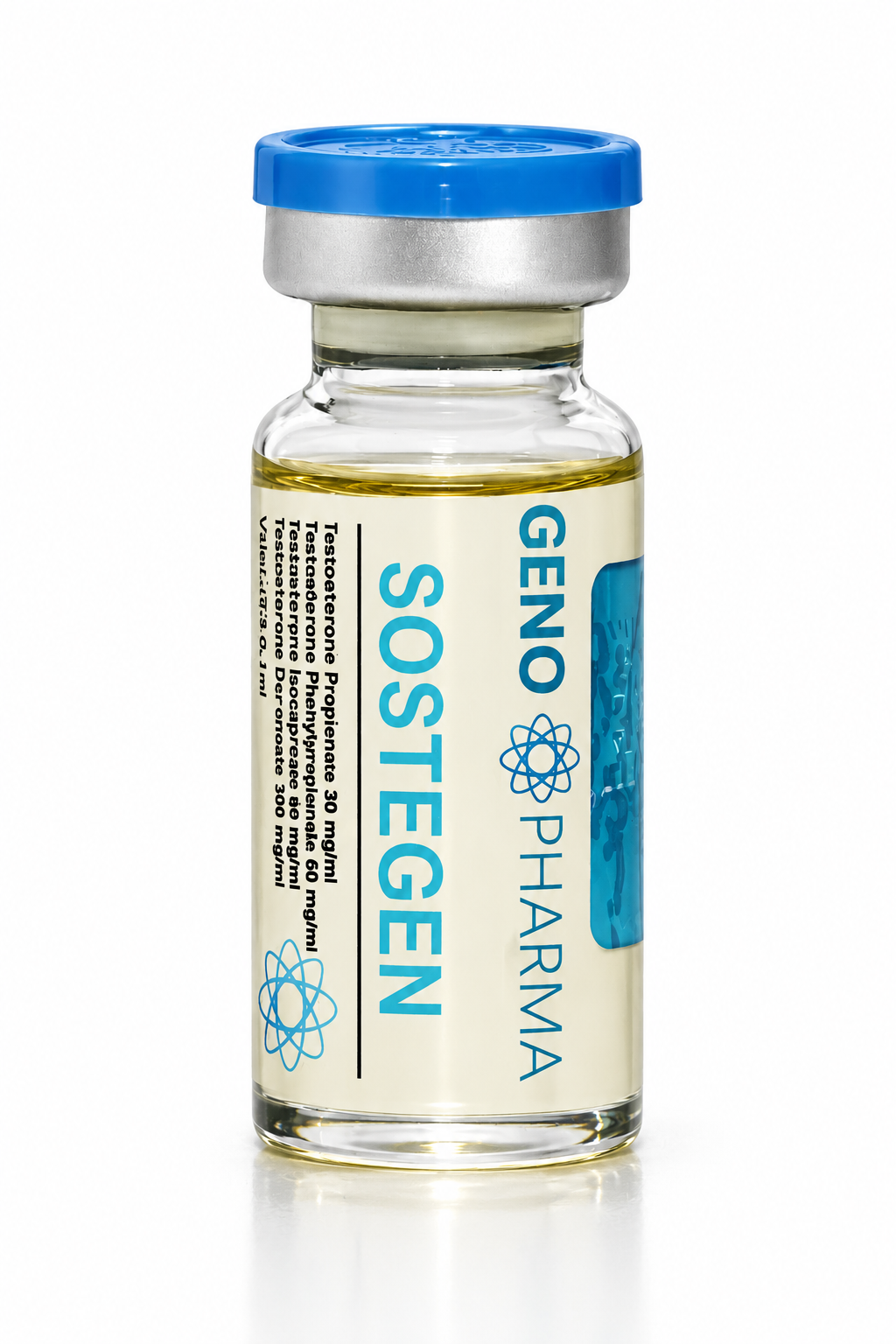
Sustanon Testosterone 250mg 10ml Geno Pharma Best USA
Sustanon Testosterone 250mg 10ml by Geno Pharma is an oil-based injectable testosterone blend supplied at 250 mg per mL in a 10 mL vial. Its combination of short-, medium-, and long-acting testosterone esters is designed to provide an early rise followed by a more sustained release. Testosterone supports androgen signaling, protein synthesis, muscle maintenance, libido, and red-blood-cell production, but it can also suppress natural testosterone and fertility while increasing risks such as acne, elevated hematocrit, fluid retention, and blood-pressure changes.
Original price was: 110.00$.99.00$Current price is: 99.00$.
Description
What Is Sustanon Testosterone?
Sustanon testosterone—usually called Sustanon 250—is an oil-based injectable medicine containing four testosterone esters: testosterone propionate, phenylpropionate, isocaproate, and decanoate. The esters leave the intramuscular oil depot at different rates and are then hydrolyzed to release the same active hormone: testosterone.
Sustanon is not a separate hormone and it is not “four types of testosterone” acting through four different biological pathways. The four ingredients are prodrugs of testosterone. Their principal difference is pharmacokinetic: each ester changes how readily the molecule dissolves in oil and how quickly it moves from the injection depot into the circulation.
The authorized UK product is indicated for testosterone replacement therapy in adult men with hypogonadism confirmed by clinical features and biochemical testing. Its product information states that the dose must be adjusted to the individual response and that administration is by deep intramuscular injection (Aspen Pharma Trading Limited, 2025). Availability, approved indications, and prescribing rules differ by country.
Is Sustanon Testosterone?
Yes. Sustanon is an ester mixture that delivers testosterone. Once esterases remove the attached side chains, the released testosterone has the same molecular identity as endogenous testosterone. It can bind the androgen receptor directly and can also be converted into dihydrotestosterone (DHT) or estradiol in responsive tissues.
What Is Sustanon 250 Used For?
Its principal authorized use is replacement therapy for male hypogonadism: a condition in which the testes, pituitary, or hypothalamus fails to support adequate testosterone production. A diagnosis should not rest on fatigue, low mood, or a single laboratory result alone. Guidelines recommend compatible symptoms plus consistently low testosterone concentrations confirmed with repeat morning testing, followed by evaluation of the cause (Bhasin et al., 2018).
Sustanon has also been used in gender-affirming hormone therapy in countries where that indication appears in its local prescribing information. This article focuses primarily on the adult male hypogonadism indication and does not assume that one country’s product label applies everywhere.
What Is in Sustanon 250?
Each 1 mL ampoule of the reference Sustanon 250 formulation contains the following four testosterone esters in refined arachis oil:
| Testosterone ester | Amount per 1 mL | Relative contribution to release |
|---|---|---|
| Testosterone propionate | 30 mg | Earliest component |
| Testosterone phenylpropionate | 60 mg | Short-to-intermediate component |
| Testosterone isocaproate | 60 mg | Intermediate component |
| Testosterone decanoate | 100 mg | Longest component |
| Total esterified testosterone | 250 mg | Multiphasic release |
The formulation also contains refined arachis oil and benzyl alcohol. People with a known peanut or soy allergy should pay particular attention to the product-specific contraindication concerning arachis oil (Aspen Pharma Trading Limited, 2025).
Does 250 mg Mean 250 mg of Free Testosterone?
No. The 250 mg on the label is the combined mass of testosterone plus the four attached ester chains. According to the official product information, 1 mL provides 176 mg of testosterone base after accounting for the mass of those esters (Aspen Pharma Trading Limited, 2025; Medsafe, 2026).
This distinction matters when comparing products. A milligram of an esterified preparation does not equal a milligram of unesterified testosterone, and equal labeled milligram amounts of different esters do not necessarily deliver equal amounts of testosterone base.
Why Combine Four Esters?
The formulation was designed to combine an earlier rise from the shorter esters with continued release from the longer ones. That does not produce four separate peaks that can be cleanly identified in every patient. Instead, the individual absorption curves overlap and create one composite testosterone concentration-time profile.
The blend also has an important limitation: the four components cannot be adjusted separately. Changing the volume changes propionate, phenylpropionate, isocaproate, and decanoate simultaneously.
How Does Sustanon Testosterone Work?
Sustanon functions as an intramuscular depot preparation. Its action can be understood in four stages.
1. Formation of an Oil Depot
After deep intramuscular administration, the oil-based solution remains temporarily at the injection site. Esterification makes testosterone more lipophilic, allowing the esterified molecules to remain dissolved in oil rather than moving immediately into water-rich blood and tissue fluid.
2. Ester-Dependent Release
The testosterone esters gradually partition out of the oil depot. Longer and more lipophilic ester chains generally produce slower absorption. In depot formulations, this absorption step may be slower than elimination of the liberated hormone, a pattern often described as flip-flop pharmacokinetics. Consequently, the apparent terminal phase largely reflects release from the depot rather than the few minutes required to clear a single molecule of free testosterone.
3. Enzymatic Hydrolysis
Once the esterified molecules enter the circulation, esterases cleave their ester bonds and release free testosterone. The Sustanon data sheet describes the four esters as being hydrolyzed into testosterone after entering the general circulation (Medsafe, 2026).
4. Androgen-Receptor Signaling and Metabolism
Free testosterone enters target cells and binds intracellular androgen receptors. The hormone-receptor complex influences gene transcription involved in sexual function, erythropoiesis, bone maintenance, and skeletal-muscle protein metabolism. In certain tissues, 5α-reductase converts testosterone to DHT, a more potent androgen at the receptor. Aromatase converts part of the testosterone supply to estradiol, which contributes to bone physiology, sexual function, and regulation of body fat but can also contribute to breast tenderness or gynecomastia when exposure is excessive or susceptibility is high.
The official pharmacology information reports that testosterone is more than 97% protein bound in vitro and is metabolized to DHT and estradiol. Excretion occurs primarily in urine as conjugated metabolites, including etiocholanolone and androsterone (Aspen Pharma Trading Limited, 2025).
Sustanon 250 Half-Life, Peak and Duration
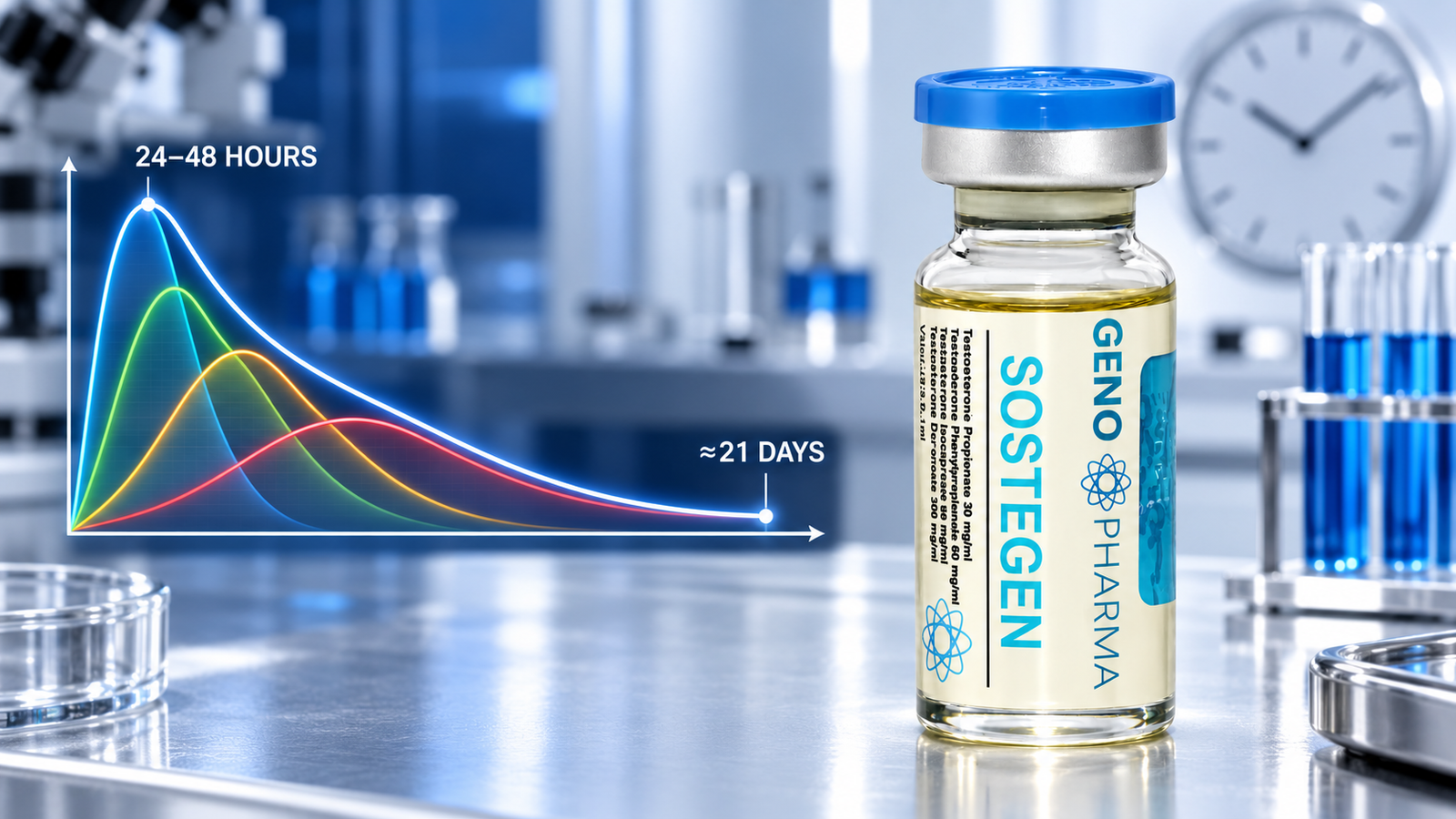
Sustanon 250 does not have one simple, universally valid half-life because it is a four-ester mixture. The most clinically useful official figures are a peak total testosterone concentration at approximately 24–48 hours and a return to the lower limit of the normal male range at approximately 21 days after one 1 mL injection (Aspen Pharma Trading Limited, 2025; Medsafe, 2026).
The label reports an approximate mean peak of 70 nmol/L, but an individual result may differ considerably. Depot size, injection technique, muscle blood flow, body composition, assay timing, carrier oil, and metabolic differences can all influence the observed curve.
Estimated Half-Life of Each Sustanon Ester
A small human detection study administered a single Sustanon injection to three participants and measured intact esters in blood. Values commonly drawn from that research are shown below. They describe estimated terminal behavior of the intact esters under that study’s conditions; they are not interchangeable with the duration of symptom relief, the half-life of free testosterone, or a guaranteed drug-testing window (Forsdahl et al., 2015).
| Sustanon component | Amount | Reported or approximate terminal half-life | Observed intact-ester detection in the small study |
| Testosterone propionate | 30 mg | Approximately 1 day | Approximately 4–5 days |
| Testosterone phenylpropionate | 60 mg | Approximately 2.5 days | At least 8 days |
| Testosterone isocaproate | 60 mg | Approximately 3.1 days | At least 8 days |
| Testosterone decanoate | 100 mg | Approximately 5.6 days | Up to approximately 18 days |
These figures are more defensible than the much longer numbers repeated without context on commercial websites, but the study was designed for direct ester detection, not to establish an individualized clinical dosing schedule. Its Sustanon arm included only three participants, so the estimates should not be treated as immutable constants.
Why Can Sustanon Remain Active for About Three Weeks if the Longest Half-Life Is 5.6 Days?
Half-life and duration are related but not identical. Testosterone decanoate does not disappear after one half-life: approximately half remains in the modeled terminal phase, then one-quarter after two half-lives and one-eighth after three. Its release also overlaps with the three shorter esters. The combined curve can therefore sustain testosterone exposure after the earliest components have declined.
This explains why the official data emphasize the measured composite result: total testosterone returns toward the lower boundary of the normal male range at about day 21. That is more relevant to the product as a whole than assigning Sustanon a single invented half-life.
Half-Life Is Not Detection Time
Detection depends on the specimen, target analyte, analytical sensitivity, dose history, and biological variation. Forsdahl et al. (2015) detected the intact esters for different periods, and WADA-funded research emphasizes that direct detection of an ester provides evidence of exogenous administration. A person should not use a half-life calculation to predict a negative anti-doping test.
Sustanon 250 Benefits: What the Evidence Supports
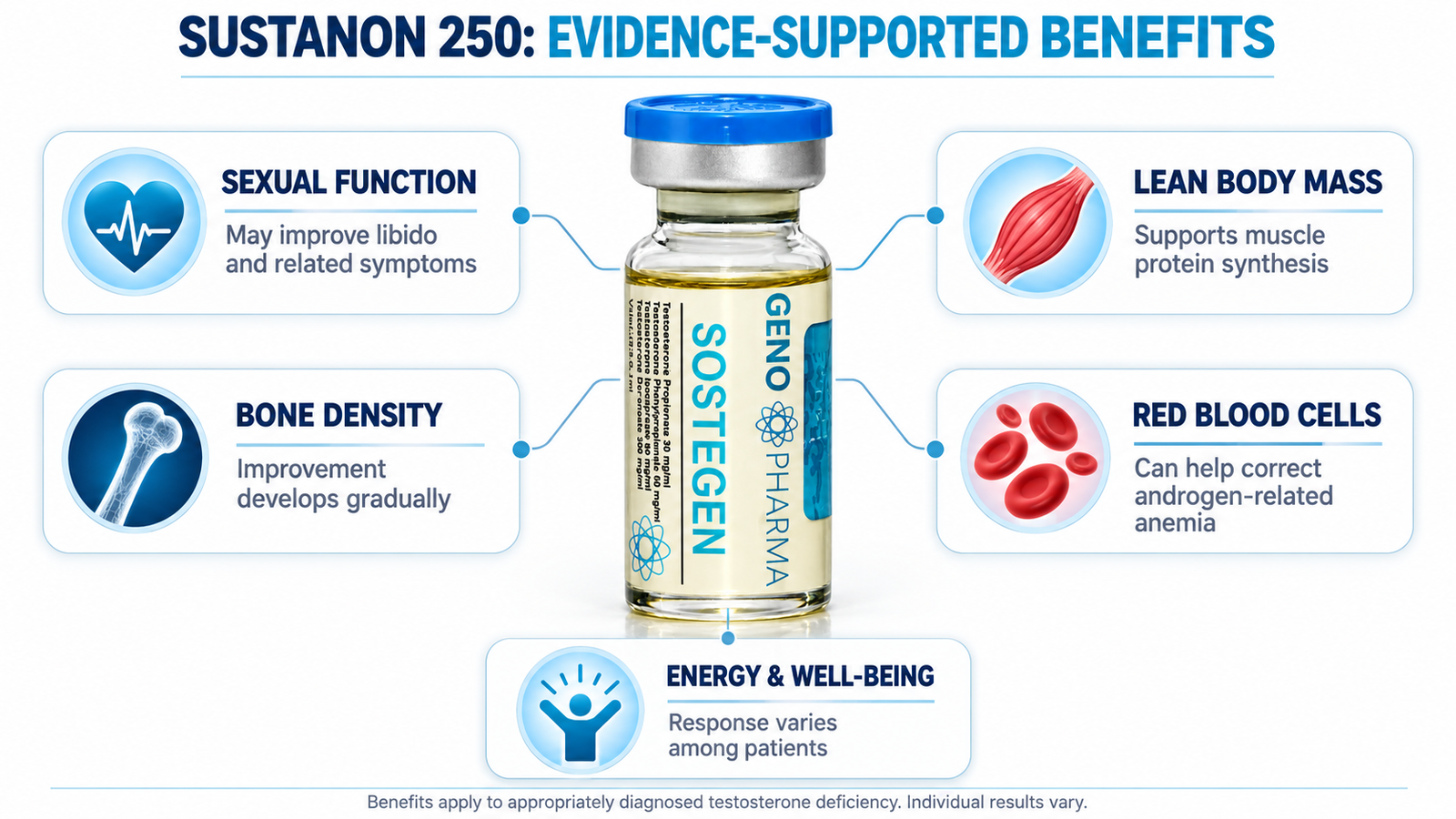
The clinically relevant benefits of Sustanon come from correcting testosterone deficiency—not from a unique biological property of the brand name or its four-ester design. In appropriately diagnosed hypogonadal men, testosterone replacement may improve sexual symptoms, support lean mass and bone density, correct anemia in some patients, and maintain male secondary sexual characteristics (Bhasin et al., 2018; Snyder et al., 2000).
Sexual Function and Libido
Testosterone therapy can improve libido and some other sexual symptoms when low testosterone is genuinely contributing to them. Erectile dysfunction, however, is multifactorial. Vascular disease, diabetes, medications, neurological disorders, relationship factors, and psychological conditions may remain even after testosterone normalizes. Sustanon should therefore not be described as a universal treatment for erectile dysfunction.
Lean Mass and Strength
Testosterone supports skeletal-muscle protein synthesis and can increase fat-free mass in hypogonadal men. A three-year clinical study of physiological testosterone replacement reported increased fat-free mass, with most of the change occurring during the first six months (Snyder et al., 2000). Changes in strength are less uniform because strength also depends on training, nutrition, sleep, neurological adaptation, age, and baseline function.
Bone Density
Restoring testosterone can improve bone mineral density in men with genuine deficiency, but the process is slow. Snyder et al. (2000) found that maximal bone-density effects took approximately 24 months. Testosterone is not a substitute for dedicated osteoporosis treatment when fracture risk requires one.
Red-Blood-Cell Production
Testosterone stimulates erythropoiesis. This may help correct anemia associated with androgen deficiency, but the same mechanism can raise hemoglobin and hematocrit excessively. Erythrocytosis is therefore both a potential physiological effect and one of the most important adverse effects to monitor.
Energy, Mood and Cognition
Some deficient patients report improved well-being or energy, but the evidence is less consistent than promotional claims imply. Fatigue and depressed mood have many causes, and testosterone therapy has not produced uniform improvements in clinical depression, cognition, or vitality across trials (Bhasin et al., 2018). Improvement after treatment does not retrospectively prove that every original symptom resulted from low testosterone.
How Long Do Benefits Take to Appear?
Sustanon raises serum testosterone within days, but a biochemical increase is not the same as a completed clinical response.
| Outcome | General clinical time course |
| Serum testosterone rise | Begins after administration; peak reported at 24–48 hours |
| Libido or sexual symptoms | May change over weeks to several months |
| Hemoglobin and hematocrit | Often change over the first 3–6 months |
| Lean body mass | Usually evaluated over months |
| Bone mineral density | May continue changing for 1–2 years or longer |
These are population-level patterns, not promises for an individual patient.
Sustanon 250 Dosage and Medical Administration
The UK Summary of Product Characteristics states that one 1 mL injection every three weeks is usually adequate for adults, while also stating that dosage should be adjusted to the individual response. Sustanon 250 should be administered by deep intramuscular injection (Aspen Pharma Trading Limited, 2025).
That label schedule is a reference regimen—not an instruction for self-treatment. A prescriber may alter a regimen based on trough and peak concentrations, symptoms, adverse effects, age, comorbidities, and local standards. Product labels and approved schedules may also differ across countries.
Is 1 mL of Sustanon 250 per Week a Standard TRT Dose?
No. One milliliter every week is not the standard schedule in the cited Sustanon 250 product information. It supplies 250 mg of testosterone esters—or 176 mg of testosterone base—every week, whereas the reference label generally describes 1 mL every three weeks. Weekly use therefore triples the labeled administration frequency and average ester exposure compared with that reference schedule.
This comparison does not establish that every weekly prescription is automatically inappropriate; clinicians sometimes individualize testosterone therapy. It does mean that “1 mL per week” should not be presented online as a universal TRT recommendation or assumed safe without laboratory monitoring and a documented clinical rationale.
How Much Sustanon 250 Should I Take?
For medically confirmed male hypogonadism, the official prescribing information recommends 1 mL of Sustanon 250—equivalent to 250 mg of testosterone esters—once every three weeks by deep intramuscular injection. This interval is supported by pharmacokinetic data showing that a single 1 mL dose produces peak testosterone concentrations approximately 24–48 hours after administration, with levels returning toward the lower boundary of the normal male range after approximately 21 days. The dose and interval must still be individualized according to symptoms, testosterone measurements, hematocrit, adverse effects, cardiovascular risk, and fertility goals. The same prescribing information reports that specialist centers have used 1 mL every two to four weeks for masculinizing hormone therapy. These are medical replacement regimens and should not be interpreted as bodybuilding-cycle recommendations (Aspen Pharma Trading Limited, 2025; Medsafe, 2026).
Why Timing of Blood Tests Matters
An injectable depot produces changing concentrations across the interval. A value obtained near the 24–48-hour peak cannot be interpreted as though it were a pre-injection trough. Clinicians should document exactly when blood was collected relative to the injection and interpret the result using the pharmacokinetics of the specific formulation. A random level without timing can lead to a misleading dose adjustment.
Administration Safety
The authorized product is intended for slow, deep intramuscular administration by an appropriately trained professional. This article intentionally does not provide a step-by-step self-injection protocol. The current product information warns that oily intramuscular solutions can rarely cause pulmonary oil microembolism, producing cough, shortness of breath, sweating, chest pain, dizziness, tingling, or fainting during or immediately after an injection (Aspen Pharma Trading Limited, 2025; Medsafe, 2026).
Is Sustanon Good for TRT?
Sustanon can be an effective testosterone-replacement option in countries where it is authorized and when a clinician selects it for a properly diagnosed patient. Its practical suitability depends on access, patient preference, response across the dosing interval, adverse effects, monitoring, fertility goals, and available alternatives.
Potential Advantages
- It delivers testosterone through one established injectable formulation.
- The four esters create an early-to-prolonged composite release profile.
- The longest component supports a multiday duration after the shorter esters decline.
- Official product information and decades of clinical use exist in several markets.
Potential Limitations
- The early peak and later decline may produce symptomatic fluctuation in some patients.
- All four esters change together when the dose or volume changes.
- The branded formulation is not a routine FDA-approved Sustanon product in the United States.
- Injection-site reactions and rare reactions to an oil injection can occur.
- The reference product contains arachis oil and is contraindicated in people with peanut or soy allergy under its UK labeling.
- Exogenous testosterone suppresses sperm production and can conflict with near-term fertility goals.
No formulation is categorically “best” for every patient. A simple single-ester preparation may be easier to interpret and adjust, whereas another patient may prefer the established Sustanon schedule available in their country.
Sustanon 250 in Bodybuilding: Effects, Evidence and Limits
Sustanon is used nonmedically because the released testosterone is both androgenic and anabolic. At supraphysiological exposure, testosterone can increase fat-free mass, muscle size, and strength, particularly when combined with resistance training. Controlled research demonstrates that these effects are dose responsive; denying them would be inaccurate (Bhasin et al., 1996, 2001).
However, those studies establish effects of testosterone under research conditions—not the safety of underground Sustanon products, internet “cycles,” multi-drug stacks, or prolonged supraphysiological use. Increasing exposure beyond replacement levels can also amplify erythrocytosis, acne, estrogen-related effects, blood-pressure changes, adverse lipid effects, endocrine suppression, and psychiatric or cardiovascular complications.
Does Sustanon Have a Unique Muscle-Building Effect?
Not after the esters are removed. All four components release testosterone. Sustanon’s distinctive feature is its delivery curve, not a fifth anabolic mechanism. There is no sound basis for claiming that the blend inherently creates more muscle than an exposure-equivalent regimen of another testosterone ester solely because it contains four esters.
Sustanon Cycles and “Sustanon 250 and Deca” Searches
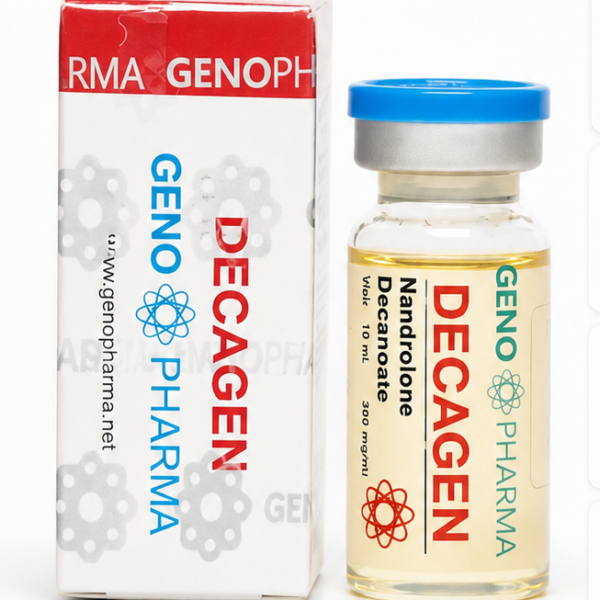
The word cycle usually refers to planned nonmedical use for physique or performance enhancement. “Deca” generally refers to nandrolone decanoate. Combining Sustanon with nandrolone does not create a medically validated bodybuilding protocol; it combines two suppressive anabolic-androgenic drugs and makes attribution of adverse effects more difficult. This article does not provide cycle, stacking, or post-cycle-therapy instructions.
Athletic Drug Testing
Testosterone and its esterified preparations are prohibited at all times under WADA-based rules unless an athlete has an approved therapeutic use exemption. Direct detection of testosterone esters can provide evidence of exogenous administration, and detection time cannot be safely predicted from perceived duration of action (Forsdahl et al., 2015; U.S. Anti-Doping Agency, 2026).
Sustanon 250 Side Effects
The risk profile depends on the dose, achieved testosterone concentration, treatment duration, baseline health, co-administered drugs, and product quality. Adverse effects cannot always be reversed quickly because part of the dose remains in the intramuscular depot.
Common or Clinically Important Effects
- Acne, oily skin, or itching
- Injection-site pain, swelling, redness, or induration
- Weight gain and fluid retention
- Changes in libido, mood, or nervousness
- Breast tenderness or gynecomastia
- Increased hemoglobin, hematocrit, and red-blood-cell count
- Increased blood pressure
- Changes in lipid measurements
- Reduced sperm production and fertility
- Prostate enlargement or worsening urinary symptoms in susceptible patients
- Male-pattern hair loss in genetically susceptible individuals
The Sustanon product information identifies weight gain as common and lists several other reactions with frequency not known. It also reports rare pulmonary oil microembolism (Aspen Pharma Trading Limited, 2025).
Natural Testosterone Suppression and Fertility
Exogenous testosterone signals the hypothalamus and pituitary that androgen supply is adequate. GnRH, luteinizing hormone, and follicle-stimulating hormone signaling decline, reducing intratesticular testosterone and sperm production. The result may include low sperm count, azoospermia, testicular shrinkage, and impaired fertility.
The Endocrine Society recommends against starting testosterone therapy in men planning fertility in the near term (Bhasin et al., 2018). Recovery after discontinuation varies with duration, exposure, age, baseline reproductive health, and previous anabolic-steroid use; it can take months and may be incomplete after prolonged abuse (Kumar et al., 2025).
Hematocrit, Blood Pressure and Thrombosis
Testosterone can raise hemoglobin and hematocrit. An excessive increase makes the blood more viscous and may add to thrombotic risk, particularly in someone with other risk factors. Testosterone may also increase blood pressure, and current regulatory information emphasizes blood-pressure monitoring as part of cardiovascular risk assessment (U.S. Food and Drug Administration, 2026).
The large TRAVERSE trial found that testosterone gel was noninferior to placebo for major adverse cardiovascular events in middle-aged and older men with hypogonadism and established or high cardiovascular risk. That result is reassuring for appropriately indicated replacement therapy but cannot be extrapolated to Sustanon specifically, supraphysiological doses, counterfeit injections, or anabolic-steroid stacking (Lincoff et al., 2023).
Estrogen- and DHT-Related Effects
Aromatization to estradiol can contribute to breast tenderness, gynecomastia, or fluid retention. Conversion to DHT may contribute to acne, body-hair changes, prostate effects, and androgenic alopecia in susceptible people. These pathways are also physiologically useful; automatically suppressing estradiol or DHT without a clinical indication can create different harms.
Psychiatric and Dependence Risks
Product information warns that testosterone abuse—typically involving doses above approved indications and sometimes other anabolic steroids—can cause serious psychiatric and cardiovascular events, dependence, and withdrawal symptoms after a substantial reduction or abrupt cessation (Aspen Pharma Trading Limited, 2025). Depressed mood, fatigue, sexual dysfunction, and severe hypogonadism can occur during withdrawal after prolonged high-dose use (Bhasin et al., 2018).
Risks for Women, Pregnancy and Adolescents
High androgen exposure can produce acne, facial or body-hair growth, menstrual disruption, scalp hair loss, clitoral enlargement, and voice deepening in women; some changes may be irreversible. Sustanon is contraindicated during pregnancy because fetal virilization may occur. In children and adolescents, androgen exposure can accelerate sexual development and prematurely close growth plates. The reference label states that safety and efficacy have not been adequately established in pediatric patients (Aspen Pharma Trading Limited, 2025).
When to Seek Urgent Medical Care
Urgent evaluation is warranted for chest pain, difficulty breathing, coughing or fainting during or immediately after an injection, one-sided leg swelling, sudden neurological symptoms, a severe allergic reaction, a painful prolonged erection, or a hot and progressively worsening injection site accompanied by fever or systemic illness.
Is Sustanon 250 Safe?
Sustanon 250 can be used medically under an authorized product label, but it is not risk free. Its safety depends on a valid indication, appropriate dosing, authentic sterile product, screening for contraindications, correctly timed blood tests, and follow-up. The safety evidence for medically supervised replacement should not be conflated with the risk of nonmedical high-dose use.
Who Should Not Use Sustanon?
The UK product information lists pregnancy, breastfeeding, known or suspected prostate or breast carcinoma, and hypersensitivity to an ingredient—including the arachis-oil warning for peanut or soy allergy—as contraindications. The Endocrine Society additionally recommends against initiating testosterone in men with elevated hematocrit, untreated severe obstructive sleep apnea, severe lower urinary tract symptoms, uncontrolled heart failure, recent myocardial infarction or stroke, thrombophilia, or near-term fertility plans until the situation has been appropriately evaluated (Aspen Pharma Trading Limited, 2025; Bhasin et al., 2018).
Medical Monitoring
| Assessment | Why it matters |
| Symptoms and treatment goals | Confirms whether treatment is providing meaningful benefit |
| Timed serum testosterone | Detects inadequate or excessive exposure across the dosing interval |
| Hemoglobin and hematocrit | Detects erythrocytosis or polycythemia |
| Blood pressure | Identifies treatment-associated elevation or worsening hypertension |
| Lipid profile | Detects potentially adverse lipid changes |
| Liver tests when clinically indicated | Evaluates abnormalities and comorbid disease |
| PSA and prostate assessment when age- and risk-appropriate | Supports shared decision-making and evaluation of significant changes |
| Fertility history or semen analysis when relevant | Prevents avoidable conflict between TRT and reproductive goals |
| Injection-site assessment | Detects local inflammation, abscess, or other complications |
Bhasin et al. (2018) recommend checking testosterone and hematocrit after treatment begins and periodically thereafter; their guideline specifies hematocrit at baseline, at 3–6 months, and annually, with clinical action if it exceeds 54%. Monitoring should be individualized rather than reduced to one universal checklist.
Sustanon vs Testosterone: What Is the Difference?
The phrase Sustanon vs testosterone is technically misleading because Sustanon becomes testosterone. The meaningful comparison is Sustanon versus another delivery system, such as testosterone cypionate, enanthate, undecanoate, gel, or pellets.
Sustanon 250 vs Testosterone Cypionate
| Feature | Sustanon 250 | Testosterone cypionate |
| Composition | Four testosterone esters | One testosterone ester |
| Labeled strength discussed here | 250 mg esters/mL; 176 mg testosterone base/mL | Common U.S. products include 200 mg ester/mL |
| Release pattern | Composite early-to-prolonged curve | Single-ester depot curve |
| Official pharmacokinetic figure | Peak at 24–48 hours; lower normal boundary near 21 days | Approximate IM half-life of 8 days |
| Dose adjustment | Changes all four components simultaneously | Changes one ester exposure |
| U.S. status | Sustanon brand is not a routine FDA-approved product | FDA-approved cypionate products are available |
| Principal practical distinction | Multiphasic release | Simpler single-ester interpretation |
DailyMed reports an approximate eight-day intramuscular half-life for testosterone cypionate (U.S. National Library of Medicine, n.d.). That does not mean cypionate is automatically more or less stable than Sustanon in every patient. Stability depends on dose, interval, absorption, achieved peak and trough, and laboratory timing.
Sustanon vs Testosterone Enanthate
Testosterone enanthate is also a single-ester depot preparation. Published clinical pharmacology describes an approximate terminal half-life near 4.5 days under studied conditions, although formulation and study design influence reported values (Behre et al., 1995). Its single ester can simplify interpretation and adjustment compared with Sustanon’s four-component mixture.
Neither product is inherently “stronger” after correcting for testosterone exposure. Both ultimately release testosterone; differences arise from ester mass, absorption curve, concentration, dosing schedule, and product-specific excipients.
Sustanon vs Testosterone Propionate
Testosterone propionate is the shortest ester already present in Sustanon. Used alone, it has a substantially shorter depot profile and lacks Sustanon’s isocaproate and decanoate tail. Sustanon therefore provides a longer composite duration than a propionate-only product, while propionate alone permits more rapid changes after discontinuation.
Sustanon Price, Prescription Status and U.S. Availability
Sustanon price varies by country, licensed supplier, insurance coverage, clinic charges, and availability. A price quoted without the product, jurisdiction, currency, and date is not a reliable comparison. The cost of appropriate diagnosis and monitoring should also be considered; the acquisition price of an ampoule is only one part of treatment.
Is Sustanon Available in the United States?
Sustanon 250 is authorized in markets including the United Kingdom. As of this article’s evidence-review date, the Sustanon brand/four-ester formulation was not identified as an FDA-approved U.S. product; this is a regulatory-database conclusion, not a claim that testosterone therapy itself lacks approval. FDA-approved testosterone products do exist in several injectable and noninjectable forms (Bhasin et al., 2018; U.S. Food and Drug Administration, 2026).
An imported or internet-listed product should not be described as “FDA approved” merely because testosterone itself has approved medical uses. Product-specific approval, manufacturing oversight, labeling, and dispensing status matter.
Is Sustanon Legal in the United States?
Testosterone is a Schedule III controlled substance under U.S. federal law. Lawful possession and dispensing require compliance with federal and state prescription rules. A foreign brand name, “research” label, or online purchase does not remove those requirements (U.S. Drug Enforcement Administration, n.d.).
Sustanon 250 Hi-Tech Is a Different Product
Searches for Sustanon 250 Hi-Tech usually refer to a tablet-form dietary supplement or prohormone product sold by Hi-Tech Pharmaceuticals. It is not the four-ester injectable prescription medicine described in this article and should not be represented as an oral version of pharmaceutical Sustanon 250. Similar branding does not establish equivalent ingredients, pharmacokinetics, effectiveness, or regulatory status.
Product Authenticity and Counterfeit Risk
Packaging alone cannot prove that an online Sustanon product contains the labeled ingredients or concentration. A systematic review of 5,413 black-market anabolic-steroid samples estimated that 36% were counterfeit and an additional 37% were substandard, although estimates varied substantially by region and sampling method (Magnolini et al., 2022).
Red flags include missing batch information, inconsistent packaging, unverifiable manufacturers, spelling errors, unexplained particles or discoloration, damaged seals, and sellers who claim that a prescription-only product is universally legal or risk free. Even professional-looking packaging cannot establish sterility or dose accuracy without reliable supply-chain documentation and analytical testing.
Frequently Asked Questions About Sustanon Testosterone
What is Sustanon testosterone?
Sustanon 250 is an oil-based injectable medicine containing four testosterone esters: 30 mg propionate, 60 mg phenylpropionate, 60 mg isocaproate, and 100 mg decanoate per 1 mL. Together they deliver 176 mg of testosterone base after ester cleavage.
Is Sustanon the same as testosterone?
Sustanon is a delivery formulation of testosterone. Its four ester chains control release from the injection depot; after hydrolysis, every component produces the same active hormone, testosterone.
What is Sustanon 250 used for?
Its principal authorized use is testosterone replacement in adult men with hypogonadism confirmed by symptoms and biochemical testing. It is not intended simply to treat nonspecific fatigue or to raise already-normal testosterone levels.
Is Sustanon good for TRT?
It can be an effective TRT option where authorized, but suitability depends on availability, symptoms across the dosing interval, adverse effects, monitoring, fertility plans, and patient preference. It is not automatically superior to single-ester testosterone.
What is the standard medical Sustanon 250 dosage?
The cited UK product information states that 1 mL every three weeks is usually adequate for adults, with adjustment to individual response. That is a product-label reference, not a personalized recommendation.
Is 1 mL of Sustanon 250 per week safe?
One milliliter weekly is three times the administration frequency of the usual every-three-week schedule in the cited label. It should not be presented as a universal TRT dose. Safety requires an individual diagnosis, clinician-directed regimen, and laboratory monitoring.
How long does Sustanon take to peak?
The reference product information reports peak total testosterone approximately 24–48 hours after one injection.
How long does Sustanon stay active?
After one 1 mL injection, plasma testosterone returns toward the lower limit of the normal male range in approximately 21 days according to the official product information. Individual duration varies.
What is Sustanon’s half-life?
The mixture has no single exact half-life. Reported estimates for its intact esters are approximately 1 day for propionate, 2.5 days for phenylpropionate, 3.1 days for isocaproate, and 5.6 days for decanoate in a very small human detection study.
Does Sustanon suppress natural testosterone?
Yes. Exogenous testosterone suppresses hypothalamic and pituitary signaling, reducing LH, FSH, intratesticular testosterone, and sperm production.
Can Sustanon cause infertility?
It can markedly reduce sperm production and may cause temporary azoospermia. Recovery after discontinuation is variable, which is why testosterone therapy is generally avoided when near-term fertility is a goal.
Does Sustanon increase estrogen?
It can. Aromatase converts some released testosterone to estradiol. The degree depends on achieved testosterone exposure and individual physiology.
Is Sustanon better than testosterone cypionate?
Neither is universally better. Sustanon combines four esters; cypionate uses one. Cypionate offers a simpler single-ester profile and established U.S. products, while Sustanon is an established option in certain other markets.
Is Sustanon FDA approved?
Testosterone has multiple FDA-approved formulations, but Sustanon 250 should not be described as an FDA-approved U.S. brand. Its authorization in another country does not establish FDA approval.
Is Sustanon an anabolic steroid?
Yes. Testosterone is an anabolic-androgenic steroid. Its legitimate medical use as hormone replacement does not change its pharmacological classification.
What Four Esters Are Found in Sustanon Testosterone?
Sustanon Testosterone contains four testosterone esters: 30 mg of testosterone propionate, 60 mg of testosterone phenylpropionate, 60 mg of testosterone isocaproate, and 100 mg of testosterone decanoate per 1 mL ampoule. Although these compounds total 250 mg, the formulation provides approximately 176 mg of testosterone base. The ester chains primarily control how quickly testosterone leaves the intramuscular oil depot (Aspen Pharma Trading Limited, 2025; Medsafe, 2026).
How Quickly Does Sustanon Testosterone Start Working?
Sustanon Testosterone begins releasing testosterone after the intramuscular injection. According to official pharmacokinetic data, total testosterone concentrations generally reach their peak approximately 24–48 hours after a 1 mL injection. Improvements in libido, energy, mood, strength, or body composition may take several weeks and vary considerably among patients (Aspen Pharma Trading Limited, 2025; Medsafe, 2026).
Does Sustanon Testosterone Require a Prescription?
Yes. Sustanon Testosterone is a prescription medicine in countries where it is authorized. In the United States, testosterone is classified as a Schedule III controlled substance. The four-ester Sustanon 250 brand formulation is not currently identified as an FDA-approved U.S. product, although other prescription testosterone formulations are FDA approved (Drug Enforcement Administration, n.d.; U.S. Food and Drug Administration, 2026).
Can Sustanon Testosterone Raise Hematocrit?
Yes. Sustanon Testosterone can stimulate red-blood-cell production and increase hemoglobin and hematocrit. Excessively elevated hematocrit may increase blood viscosity and require dose adjustment, temporary treatment interruption, or further medical evaluation. Patients should generally receive a complete blood count before treatment and periodic monitoring afterward (Bhasin et al., 2018; Medsafe, 2026).
Does Sustanon Testosterone Cause Hair Loss?
Sustanon Testosterone may accelerate androgen-related scalp hair loss in genetically susceptible individuals. Testosterone can be converted into dihydrotestosterone through the 5-alpha-reductase enzyme. Dihydrotestosterone can progressively miniaturize susceptible hair follicles, although not every patient who receives testosterone experiences noticeable hair loss.
Does Sustanon Testosterone Affect Cholesterol and Blood Pressure?
Sustanon Testosterone can affect cholesterol, fluid retention, hematocrit, and blood pressure. The degree of change depends on the administered dose, achieved testosterone concentration, baseline cardiovascular health, and individual response. Blood pressure, lipid levels, hematocrit, and other cardiovascular risk factors should be monitored during treatment (Bhasin et al., 2018; Medsafe, 2026).
Should Sustanon Testosterone Be Refrigerated?
No. Official instructions state that Sustanon Testosterone should be stored below 30°C (86°F), protected from light, and kept inside its original packaging. It should not be refrigerated or frozen. The instructions printed on the exact dispensed product should always take priority because storage requirements may differ among manufacturers (Aspen Pharma Trading Limited, 2025; Medsafe, 2026).
Key Takeaways
- Sustanon 250 is a 1 mL oil-based mixture of four testosterone esters, not a different hormone.
- The 250 mg label represents ester mass; the official formulation delivers 176 mg of testosterone base.
- After one injection, total testosterone peaks at approximately 24–48 hours and returns toward the lower normal boundary in about 21 days.
- The blend has no single exact half-life; the individual ester estimates range from about 1 to 5.6 days in a small detection study.
- The cited medical schedule is usually 1 mL every three weeks, individualized by a prescriber—not 1 mL weekly as a universal rule.
- Potential benefits apply primarily to appropriately diagnosed testosterone deficiency.
- Important risks include erythrocytosis, infertility, acne, fluid retention, blood-pressure elevation, mood changes, prostate-related concerns, and injection reactions.
- Sustanon is not a routine FDA-approved brand formulation in the United States, where testosterone is a Schedule III controlled substance.
- Products sold outside licensed supply chains carry meaningful counterfeit, concentration, and sterility risks.
Evidence Limitations
Sustanon-specific randomized evidence is much smaller than the broader testosterone-therapy literature. Benefits and cardiovascular findings from other formulations cannot always be transferred directly to this four-ester injection. The individual ester half-life estimates come from a small analytical study rather than a large clinical pharmacokinetic trial. Product approvals and labels are jurisdiction specific, and guidance can change. These limitations should remain visible rather than being removed during commercial editing.
References
Aspen Pharma Trading Limited. (2025, December). Sustanon 250, 250 mg/mL solution for injection: Summary of product characteristics. Electronic Medicines Compendium. https://www.medicines.org.uk/emc/product/5373/smpc
Behre, H. M., Baus, S., Kliesch, S., Keck, C., Simoni, M., & Nieschlag, E. (1995). Potential of testosterone buciclate for male contraception: Endocrine differences between responders and nonresponders. The Journal of Clinical Endocrinology & Metabolism, 80(8), 2394–2403. https://doi.org/10.1210/jcem.80.8.7543113
Bhasin, S., Brito, J. P., Cunningham, G. R., Hayes, F. J., Hodis, H. N., Matsumoto, A. M., Snyder, P. J., Swerdloff, R. S., Wu, F. C., & Yialamas, M. A. (2018). Testosterone therapy in men with hypogonadism: An Endocrine Society clinical practice guideline. The Journal of Clinical Endocrinology & Metabolism, 103(5), 1715–1744. https://doi.org/10.1210/jc.2018-00229
Bhasin, S., Storer, T. W., Berman, N., Callegari, C., Clevenger, B., Phillips, J., Bunnell, T. J., Tricker, R., Shirazi, A., & Casaburi, R. (1996). The effects of supraphysiologic doses of testosterone on muscle size and strength in normal men. The New England Journal of Medicine, 335(1), 1–7. https://doi.org/10.1056/NEJM199607043350101
Bhasin, S., Woodhouse, L., Casaburi, R., Singh, A. B., Bhasin, D., Berman, N., Chen, X., Yarasheski, K. E., Magliano, L., Dzekov, C., Dzekov, J., Bross, R., Phillips, J., Sinha-Hikim, I., Shen, R., & Storer, T. W. (2001). Testosterone dose-response relationships in healthy young men. American Journal of Physiology-Endocrinology and Metabolism, 281(6), E1172–E1181. https://doi.org/10.1152/ajpendo.2001.281.6.E1172
Forsdahl, G., Erceg, D., Geisendorfer, T., Turkalj, M., Plavec, D., Thevis, M., Tretzel, L., & Gmeiner, G. (2015). Detection of testosterone esters in blood. Drug Testing and Analysis, 7(11–12), 983–989. https://doi.org/10.1002/dta.1914
Kumar, N., Kakoti, S., & Chung, E. (2025). Pandemic of testosterone abuse: Considerations for male fertility. Arab Journal of Urology, 23(3), 183–189. https://doi.org/10.1080/20905998.2025.2509456
Lincoff, A. M., Bhasin, S., Flevaris, P., Mitchell, L. M., Basaria, S., Boden, W. E., Cunningham, G. R., Granger, C. B., Khera, M., Thompson, I. M., Wang, Q., Wolski, K., Davey, D., Kalahasti, V., Khan, N., Miller, M. G., Snabes, M. C., Chan, A., & Nissen, S. E. (2023). Cardiovascular safety of testosterone-replacement therapy. The New England Journal of Medicine, 389(2), 107–117. https://doi.org/10.1056/NEJMoa2215025
Magnolini, R., Falcato, L., Cremonesi, A., Schori, D., & Bruggmann, P. (2022). Fake anabolic androgenic steroids on the black market—A systematic review and meta-analysis on qualitative and quantitative analytical results found within the literature. BMC Public Health, 22, Article 1371. https://doi.org/10.1186/s12889-022-13734-4
Medsafe. (2026, January 14). Sustanon 250: New Zealand data sheet. New Zealand Medicines and Medical Devices Safety Authority. https://www.medsafe.govt.nz/profs/datasheet/s/sustanoninj.pdf
Snyder, P. J., Peachey, H., Berlin, J. A., Hannoush, P., Haddad, G., Dlewati, A., Santanna, J., Loh, L., Lenrow, D. A., Holmes, J. H., Kapoor, S. C., Atkinson, L. E., & Strom, B. L. (2000). Effects of testosterone replacement in hypogonadal men. The Journal of Clinical Endocrinology & Metabolism, 85(8), 2670–2677. https://doi.org/10.1210/jcem.85.8.6731
U.S. Anti-Doping Agency. (2026). World Anti-Doping Agency prohibited list. https://www.usada.org/substances/prohibited-list/
U.S. Drug Enforcement Administration. (n.d.). Steroids. Retrieved September 5, 2026, from https://www.dea.gov/factsheets/steroids
U.S. Food and Drug Administration. (2026, June 23). Testosterone information. https://www.fda.gov/drugs/postmarket-drug-safety-information-patients-and-providers/testosterone-information
U.S. National Library of Medicine. (n.d.). Testosterone cypionate injection, USP. DailyMed. Retrieved September 5, 2026, from https://dailymed.nlm.nih.gov/dailymed/fda/fdaDrugXsl.cfm?setid=108facca-c6d2-48fa-ba48-667c9498c61b
Author:
Emily R. Carter, MD — U.S.-based medical writer specializing in endocrinology and men’s health. Dr. Carter researched and drafted the article and evaluated the cited clinical literature. Fictional example; replace with a verified contributor.
Primary medical reviewer: Michael J. Reynolds, MD, FACE — Board-certified endocrinologist licensed in Texas. Dr. Reynolds reviewed the article for clinical accuracy, appropriate interpretation of testosterone-replacement evidence, contraindications, monitoring requirements, and patient-safety considerations. Fictional example; replace after a genuine review.
Second medical reviewer: Sarah L. Mitchell, MD — Board-certified internal medicine physician licensed in California. Dr. Mitchell independently reviewed the discussion of cardiovascular risk, hematocrit monitoring, fertility, and potential adverse effects. Fictional example; replace after a genuine review.
Scientific fact-checker: Andrew P. Collins, PharmD — U.S.-licensed pharmacist and medical fact-checker. Dr. Collins verified the product composition, pharmacokinetic figures, regulatory statements, in-text citations, and APA references against the cited primary and official sources. Fictional example; replace after genuine fact-checking.
Originally published: September 5, 2026
Last medically reviewed: September 5, 2026 — Use this date only after the documented reviews have been completed.
Evidence reviewed through: September 5, 2026




Reviews
There are no reviews yet.