




No products in the cart.
-10%On Sale
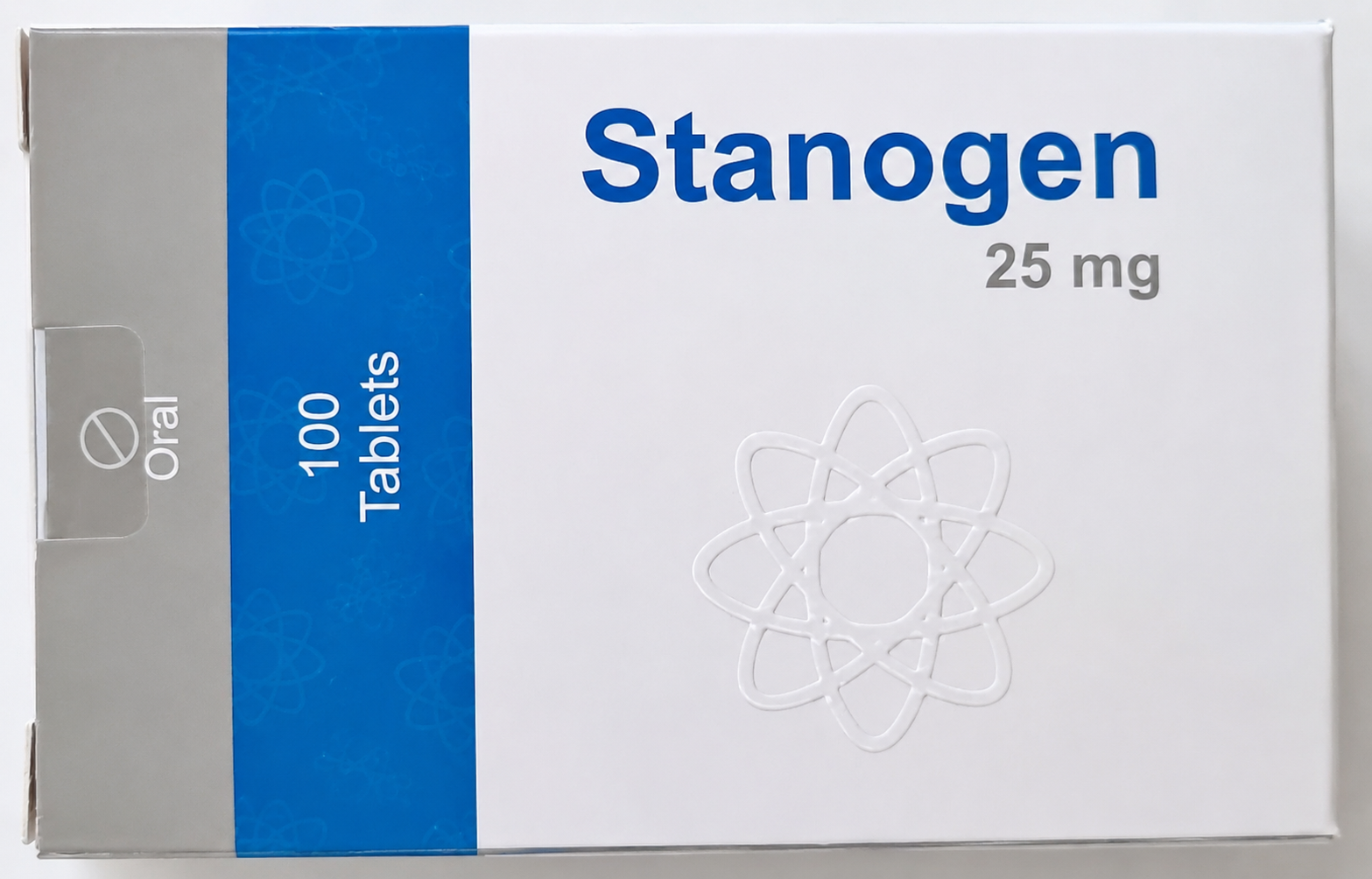
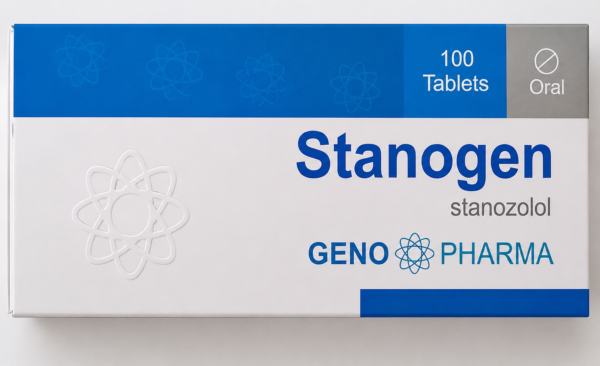
Oral Winstrol 25 mg Geno Pharma
Oral Winstrol 25mg 100 pills by Geno Pharma is a well-known stanozolol formulation frequently associated with cutting phases and physique-focused training programs. Designed for athletes and bodybuilding enthusiasts seeking a leaner, harder, and more defined appearance, this oral compound is recognized for its convenience, fast absorption, and ability to support muscle definition without excessive water retention. Geno Pharma’s 100-pill presentation is often preferred by users looking for structured dosing protocols and consistent product availability within advanced performance-enhancement regimens.
Original price was: 110.00$.99.00$Current price is: 99.00$.
Description
Oral Winstrol 25mg
Medical Summary
“Oral Winstrol 25 mg” almost always refers to oral stanozolol used in a non-medical or bodybuilding context, not to a contemporary evidence-based medical regimen. Stanozolol is a 17α-alkylated, dihydrotestosterone-derived anabolic-androgenic steroid whose oral activity comes from structural modification that improves oral availability but also increases hepatic exposure. In the modern literature, direct human pharmacokinetic studies specifically at 25 mg oral dosing are sparse; the best-supported recent evidence comes from reviews, toxicology studies, anti-doping analytics, disease-specific reports, and case series rather than from contemporary randomized trials of 25 mg oral use in healthy adults (Bond et al., 2022; Bubna & Viplav, 2025).
For clinicians, the key point is that oral 25 mg/day sits far above historical therapeutic dosing used for hereditary angioedema, where older literature summarized in recent reviews describes chronic doses around 0.5–2 mg/day and short-term peri-procedural use around 6 mg/day. That makes a “25 mg” keyword context clinically important: it signals exposure in a range much more consistent with image/performance enhancement than with modern guideline-directed care (Bubna & Viplav, 2025).
Recent evidence also sharpens the risk picture. A 2025 multicenter series of 18 stanozolol-related liver injury cases described a distinctive cholestatic phenotype with marked bilirubin elevation, relatively mild aminotransferase increases, and near-normal gamma-glutamyl transferase, with a mean symptom latency of about 55 days; importantly, those cases were overwhelmingly young men using stanozolol for aesthetic purposes, and most reported routes were intramuscular, underscoring that injectable use is not liver-safe by default (Nunes et al., 2025). Oral exposure additionally raises concern for oral-route lipid toxicity, because older but still highly relevant route-comparison studies showed substantially worse HDL suppression with oral 17α-alkylated steroids than with parenteral testosterone (Thompson et al., 1989; Bond et al., 2022).
Medical use persists only in narrow or region-specific niches. Recent literature supports that attenuated androgens such as stanozolol have largely been de-emphasized in hereditary angioedema because modern targeted prophylactic therapies are preferred; at the same time, some hematology literature from 2020–2021 still reports use in aplastic anemia or myelodysplastic syndromes, especially in settings where access, cost, or local practice patterns differ (Maurer et al., 2022; Maurer et al., 2021; Wang et al., 2021; Chen et al., 2021; Yang et al., 2021).
The bottom line is that oral Winstrol 25 mg cannot be framed as a benign “cutting” drug. The modern literature is much stronger on toxicity, detection, and recovery after use than on any high-quality muscle-building benefit specific to oral stanozolol at 25 mg. That imbalance in the evidence itself is one of the most important recent findings. (Bond et al., 2022; Tavares et al., 2024; Buhl et al., 2025).
Oral Winstrol 25 mg in Clinical Context
What the keyword usually means
In 2026, the phrase “oral Winstrol 25 mg” is best interpreted as a route-specific, non-medical search term tied to bodybuilding, physique sports, or recreational performance enhancement. That interpretation is supported indirectly by the literature pattern: recent peer-reviewed papers overwhelmingly discuss stanozolol in the settings of anti-doping detection, illicit AAS use, liver injury, cardiovascular harm, reproductive dysfunction, or older reserve indications, rather than as a modern standard therapy at 25 mg oral dosing in legitimate medical practice (Bond et al., 2022; Göschl et al., 2021; Nunes et al., 2025; Tavares et al., 2024).
That matters for evidence appraisal. A clinician encountering a patient who says they are taking “oral Winstrol 25 mg” should not assume a prescription use-case. Instead, the phrase itself should prompt questions about source, route, co-administered steroids, supplements, liver symptoms, lipid disorder history, blood pressure, fertility goals, and anti-doping implications (Bond et al., 2022; Grant et al., 2023).
Pharmacology and mechanism of stanozolol
Stanozolol is a synthetic anabolic-androgenic steroid derived from dihydrotestosterone. Its oral activity depends on 17α-alkylation, a structural change that markedly improves oral availability by resisting first-pass inactivation, but also contributes to hepatotoxic liability. Like other AAS, it exerts effects after diffusion into target tissues and binding to the androgen receptor; unlike testosterone, stanozolol is already 5α-reduced and is not expected to aromatize to estrogen to any meaningful degree, while also showing low affinity for sex hormone-binding globulin, features that help explain both its bodybuilding popularity and its endocrine profile (Bond et al., 2022; Bubna & Viplav, 2025).
Recent dermatology-focused review literature also emphasizes that stanozolol’s actions are indication-dependent. Beyond generic anabolic/androgenic signaling, it has historically been used in hereditary angioedema because it appears to increase C1 esterase inhibitor production after hepatic metabolism; it has also been discussed for fibrinolytic or rheologic effects in selected dermatologic/vascular conditions. This route- and liver-dependent aspect is important because it reinforces that the liver is not just a toxicity target but also part of the drug’s historical therapeutic mechanism (Bubna & Viplav, 2025).
Why 25 mg is clinically significant
The 25 mg oral dose is clinically significant mainly because it is much higher than the low-dose historical medical use described for hereditary angioedema. Recent review literature summarizes conventional chronic HAE dosing around 0.5–2 mg/day, with 6 mg/day used in some short-term procedural prophylaxis settings. On that basis, 25 mg/day is roughly 12.5 times a 2 mg/day chronic dose and more than 4 times a 6 mg/day short-term prophylactic dose, placing it clearly in a non-medical exposure context rather than a contemporary mainstream therapeutic one (Bubna & Viplav, 2025).
At the same time, the literature does not support a simple linear “25 mg equals X amount of harm” model. Stanozolol liver injury can show an idiosyncratic cholestatic phenotype, non-medical users frequently stack other AAS or supplements, and black-market content variability is a major confounder. So the correct clinical interpretation is not “25 mg predicts a fixed outcome,” but rather “25 mg is a red flag exposure that materially shifts pretest probability toward non-prescribed use and meaningful hepatic, lipid, endocrine, and anti-doping risk” (Nunes et al., 2025; Campos et al., 2020).
Pharmacokinetics and Hepatotoxicity of Oral Stanozolol
Absorption, metabolism, and elimination
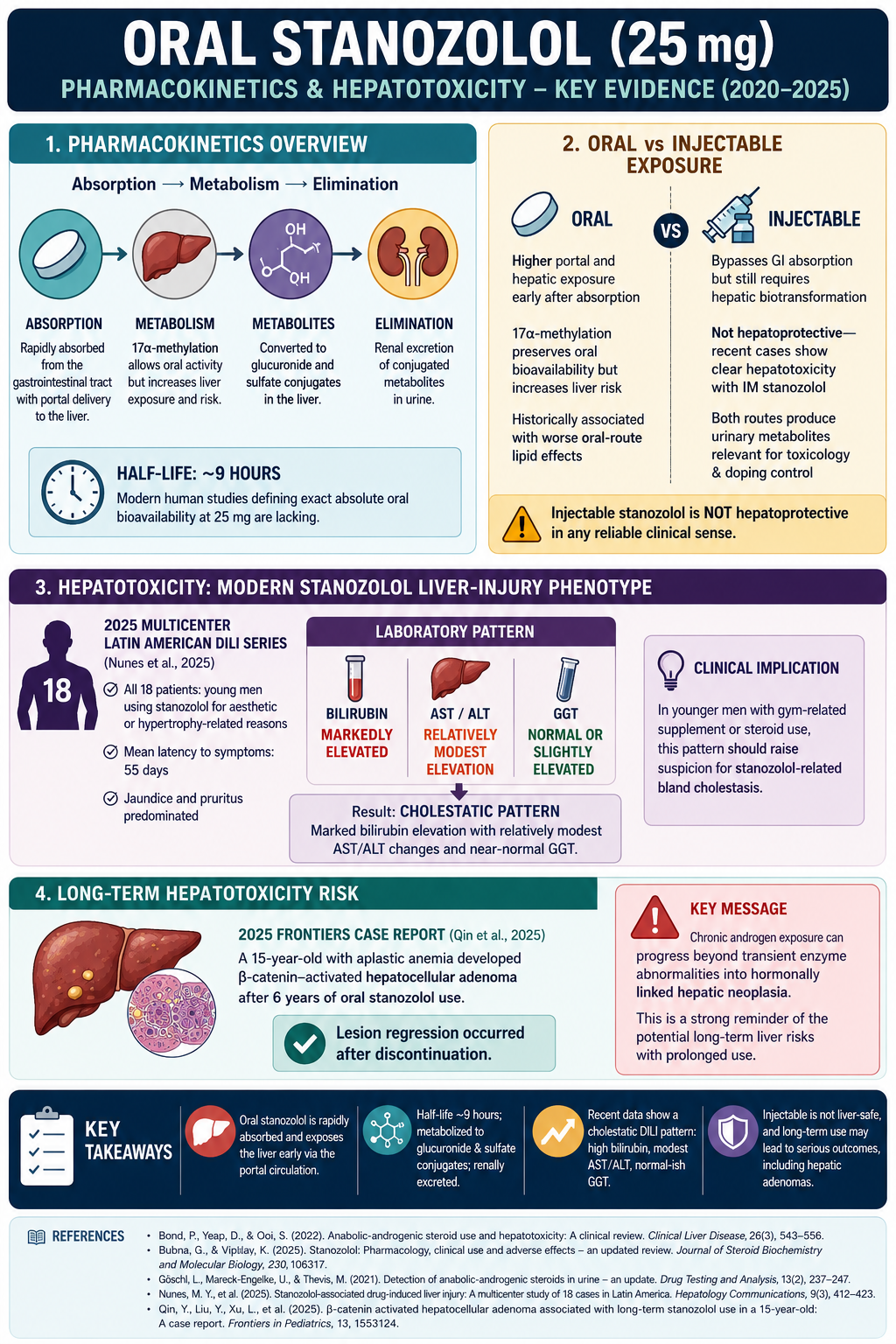
Modern reviews describe oral AAS as being rapidly absorbed from the gastrointestinal tract, with portal delivery to the liver. For orally active anabolic steroids, 17α-methylation is the structural adaptation that preserves systemic availability, but it also comes with increased liver exposure and risk. For stanozolol specifically, a recent clinical review summarizes a half-life around 9 hours and metabolism to glucuronide and sulfate conjugates followed by renal excretion, but contemporary human studies defining exact absolute oral bioavailability at 25 mg are lacking (Bond et al., 2022; Bubna & Viplav, 2025).
That absence of modern route-specific PK data is one of the key evidence gaps. In practical terms, clinicians should assume that oral stanozolol produces higher portal and hepatic exposure early after absorption than an injected preparation, even though both routes ultimately depend on hepatic biotransformation and both produce urinary metabolites that are relevant for toxicology and doping control (Bond et al., 2022; Göschl et al., 2021).
Hepatotoxicity and the modern stanozolol liver-injury phenotype
The strongest recent stanozolol-specific hepatotoxicity signal comes from the 2025 multicenter Latin American DILI series. In that cohort, all 18 patients were young men using stanozolol for aesthetic or hypertrophy-related reasons; mean latency to symptoms was 55 days, jaundice and pruritus predominated, bilirubin was markedly elevated, and GGT was near normal or only slightly elevated, producing a notably cholestatic biochemical pattern (Nunes et al., 2025).
That pattern matters diagnostically. Many clinicians are primed to expect prominent aminotransferase or GGT rises in drug-related liver injury, but recent stanozolol data suggest that marked bilirubin elevation with relatively modest AST/ALT changes and an unexpectedly normal-ish GGT should raise suspicion for stanozolol-related bland cholestasis, particularly in younger men with gym-related supplement or steroid use (Nunes et al., 2025).
The same 2025 series also undercuts the common lay belief that switching from tablets to injections “protects the liver.” In that paper, the cohort largely reported intramuscular stanozolol, and recent cases still showed clear hepatotoxicity. So while oral use likely confers greater early hepatic exposure and historically worse oral-route lipid effects, injectable stanozolol is not hepatoprotective in any reliable clinical sense (Nunes et al., 2025; Thompson et al., 1989).
Long-term hepatotoxicity is also relevant. A 2025 Frontiers case report described a 15-year-old with aplastic anemia who developed β-catenin–activated hepatocellular adenoma after 6 years of oral stanozolol, with lesion regression after discontinuation. That paper does not prove dose-generalizable causation for all users, but it is a strong reminder that chronic androgen exposure can progress beyond transient enzyme abnormalities into hormonally linked hepatic neoplasia (Qin et al., 2025).
| Step | Process | Result / Effect |
|---|---|---|
| 1 | Oral stanozolol ingestion | The drug enters the body through oral intake. |
| 2 | GI absorption | Absorbed through the gastrointestinal tract. |
| 3 | Portal delivery to liver | Delivered directly to the liver through portal circulation. |
| 4 | 17α-alkylated parent drug persists | The modified parent compound remains active and resists rapid breakdown. |
| 5A | Hepatic biotransformation | Converted into glucuronide and sulfate metabolites. |
| 6A | Urinary excretion | Metabolites are eliminated through urine. |
| 5B | Androgen receptor signaling | Triggers effects in target tissues. |
| 6B | Lean mass and strength effects | May increase lean mass and strength-related outcomes. |
| 6C | HPG axis suppression | May reduce LH/FSH, contributing to testicular atrophy, infertility, and hypogonadism after cessation. |
| 6D | Lipid disruption | May lower HDL and raise LDL, increasing vascular dysfunction and plaque burden risk. |
| 5C | Cholestatic liver injury risk | May cause hyperbilirubinemia, pruritus, jaundice, or bland cholestasis. |
Clinical Indications, Contraindications, Adverse Effects, and Monitoring
Current medical indications and how narrow they now are
In contemporary practice, stanozolol’s medical role is limited, uneven across jurisdictions, and often no longer first-line. The clearest historical indication is hereditary angioedema prophylaxis, but modern WAO/EAACI guidance and related discontinuation literature show that attenuated androgens have been displaced by newer targeted prophylactic agents. In other words, stanozolol still belongs in the medical history of HAE, but it is no longer where most expert clinicians want to start if modern options are available (Maurer et al., 2022; Maurer et al., 2021).
There are also region-specific or investigational hematology reports. A 2021 clinical report evaluated stanozolol plus cyclosporine A in chronic aplastic anemia against stanozolol alone, and 2021 hematology studies reported stanozolol in high-risk and lower-risk myelodysplastic syndromes. These papers suggest that stanozolol can still appear in hematology practice, but they do not re-establish it as a broadly accepted, globally standardized front-line therapy; rather, they signal that older androgen-based strategies persist in selected settings, especially where cost or treatment access matters (Wang et al., 2021; Chen et al., 2021; Yang et al., 2021).
Contraindications and special populations
The best recent stanozolol-focused review literature states clearly that stanozolol is an absolute contraindication in pregnancy and lactation, while advising caution in children and older adults because of hepatotoxic risk. The same review also highlights clinically relevant interactions with oral hypoglycemics and anticoagulants, both of which matter in real-world practice because patients using performance-enhancing agents often do not initially disclose them (Bubna & Viplav, 2025).
Even where modern product-specific contraindication data are sparse, the recent evidence base strongly supports functional contraindications in anyone with unstable liver disease, marked dyslipidemia, established cardiovascular disease, uncontrolled hypertension, or active reproductive goals. That is not because every such condition has a modern stanozolol-specific trial, but because the recent literature consistently links AAS exposure—and stanozolol in particular—to worsened hepatic, vascular, reproductive, and metabolic risk (Bond et al., 2022; Buhl et al., 2025; Tungesvik et al., 2024; Nunes et al., 2025).
Adverse effects and what clinicians should monitor
Adverse effects cluster into several domains. The hepatic domain includes transaminase elevation, cholestatic jaundice, rare peliosis, adenoma, and carcinoma; the cardiometabolic domain includes reduced HDL, increased LDL, endothelial dysfunction, blood pressure elevation, myocardial dysfunction, and greater plaque burden with cumulative exposure; the endocrine/reproductive domain includes suppression of LH/FSH, impaired spermatogenesis, post-use hypogonadism, sexual dysfunction, and infertility; and the psychological domain includes agitation, mood symptoms, dependence-related patterns, and difficult withdrawal states after cessation (Bond et al., 2022; Bubna & Viplav, 2025; Azevedo et al., 2024; Buhl et al., 2025).
Although there are no universally accepted stanozolol-specific monitoring guidelines, the recent stanozolol review literature recommends baseline hepatic profile, lipid profile, complete blood count, and PSA where relevant, with periodic reassessment of hepatic transaminases and consideration of baseline liver imaging because of adenoma risk in longer-term exposure. Broader AAS reviews support adding blood pressure, creatinine or cystatin C when interpretation is difficult because of high muscle mass, testosterone/LH/FSH, and cardiac assessment when history suggests long-term cumulative exposure (Bubna & Viplav, 2025; Bond et al., 2022).
| Monitoring domain | Why it matters in oral stanozolol | Suggested clinician-led monitoring approach |
|---|---|---|
| Liver injury | Recent stanozolol DILI can present as cholestatic jaundice with disproportionate bilirubin elevation and relatively mild AST/ALT changes | Baseline ALT, AST, bilirubin, ALP, GGT; low threshold for repeat labs and liver imaging if jaundice, pruritus, dark urine, or pale stools appear |
| Lipids and vascular risk | Oral 17α-alkylated steroids are associated with especially adverse HDL/LDL changes; recent studies also show vascular dysfunction and plaque association with cumulative AAS use | Baseline and follow-up fasting lipids; blood pressure at every visit; consider echocardiography or coronary risk work-up in long-term or symptomatic users |
| Endocrine suppression | AAS use suppresses gonadotropins and may lead to infertility and post-cessation hypogonadism | Total testosterone, LH, FSH, SHBG when relevant; semen analysis if fertility is a concern |
| Hematology and renal interpretation | AAS can alter hematologic parameters; creatinine may be hard to interpret in muscular users | CBC; consider cystatin C if creatinine-based eGFR seems misleading |
| Product quality and route uncertainty | Illicit products often have variable content, adulterants, or misleading labels | Ask the patient to disclose source, photographs, lot/batch, and whether the product is tablet, “oral liquid,” or injectable |
Table. Practical monitoring priorities for oral stanozolol exposure. This table synthesizes recent stanozolol and broader AAS literature; it is not a substitute for formal prescribing guidance. (Bond et al., 2022; Bubna & Viplav, 2025; Nunes et al., 2025; Buhl et al., 2025; Tungesvik et al., 2024).
Evidence on Efficacy and Safety in Medical vs Non-Medical Bodybuilding Contexts
What recent evidence supports medically
The modern literature supports a shrinking but not totally vanished medical role for stanozolol. In hereditary angioedema, recent review literature still summarizes biological plausibility and historical efficacy at low doses, but current international guidance places far greater weight on newer targeted prophylaxis and on androgen discontinuation where feasible. In hematology, 2020–2021 studies suggest potential benefit in selected aplastic anemia and myelodysplastic syndrome contexts, but those data are not enough to generalize into a broad endorsement across health systems (Maurer et al., 2022; Maurer et al., 2021; Bubna & Viplav, 2025; Wang et al., 2021; Chen et al., 2021; Yang et al., 2021).
What recent evidence supports in bodybuilding
For bodybuilding, the evidence base is notably weaker on specific efficacy than on specific harm. A 2024 systematic review of bodybuilders found that testosterone, nandrolone, and stanozolol were among the most commonly consumed substances, and that AAS users showed increased AST/ALT and lower LH/FSH, while lipid and hematologic findings were more heterogeneous. But the underlying literature was mostly cross-sectional, often old, and the overall methodological quality was judged weak-to-moderate. That means commonly repeated claims about predictable oral stanozolol “cutting” efficacy are much more culturally entrenched than scientifically demonstrated in modern controlled research (Tavares et al., 2024).
That asymmetry is important for evidence-based counseling. In the 2020–2025 literature reviewed here, I did not identify a modern randomized clinical trial that directly tests oral stanozolol 25 mg in healthy adults for bodybuilding outcomes. What does exist are toxicology studies, observational AAS papers, route-related lipid studies, anti-doping analytics, and case reports of harm. For an EEAT-oriented article, that should be stated plainly rather than glossed over (Bond et al., 2022; Tavares et al., 2024; Nunes et al., 2025).
Safety evidence in non-medical users is much stronger than efficacy evidence
Recent cardiovascular literature has become more convincing. In a 2025 JAMA Network Open study of recreational athletes, cumulative lifetime AAS exposure was independently associated with coronary atherosclerosis and myocardial dysfunction in both sexes, with the most pronounced abnormalities in those with more than 5 years of intake. A 2024 Scientific Reports study likewise found impaired carotid artery reactivity and flow-mediated dilation in young male AAS users compared with weightlifting controls (Buhl et al., 2025; Tungesvik et al., 2024).
Endocrine and fertility harms are also well supported in recent reviews. A 2024 update on AAS abuse and male sexual/reproductive health emphasizes that infertility, sexual dysfunction, and recovery difficulties are common clinical issues, while a 2023 analysis of men seen after AAS cessation found that only about half had complete biochemical reproductive recovery at the time assessed and that no evidence-based withdrawal protocol exists, even though users often attempt illicit “post-cycle therapy” (Azevedo et al., 2024; Jayasena et al., 2023; Grant et al., 2023).
Oral Winstrol vs Injectable
The central comparison
The most important clinical misconception to correct is that injectable stanozolol is not simply “oral Winstrol without the liver risk.” Oral and injectable routes do differ meaningfully in entry into the circulation, expected peak pattern, and first-pass exposure, but both routes still produce systemic androgen effects, both depend on hepatic metabolism for downstream clearance, and both can be implicated in significant toxicity (Bond et al., 2022; Nunes et al., 2025).
For oral stanozolol, the mechanistic concern is obvious: portal delivery plus a 17α-alkylated structure means the liver sees the drug early and repeatedly. For injectable use, the drug enters the circulation without an initial intestinal/portal phase, but once absorbed systemically it is still metabolized hepatically, and the recent DILI series demonstrates that injectable users still develop severe liver injury. So route changes may shift the pattern of exposure, but they do not eliminate the organ targets (Bond et al., 2022; Nunes et al., 2025).
Comparative table
| Attribute | Oral stanozolol | Injectable stanozolol | Clinical reading |
|---|---|---|---|
| Entry into body | GI absorption with portal delivery to liver | Parenteral absorption with initial avoidance of GI absorption and portal first-pass entry | Oral route is more tightly linked to early hepatic exposure |
| Human PK at exactly 25 mg | Sparse modern direct data | Sparse modern direct data | Contemporary head-to-head PK studies are a major evidence gap |
| Approximate elimination half-life | Recent review literature summarizes about 9 hours | Modern route-specific half-life data are poorly defined in current literature | Route affects exposure shape more clearly than it defines one universally accepted half-life |
| Hepatic metabolism | Yes | Yes | Injection does not mean “non-hepatic” |
| Historical medical dosing examples | HAE: 0.5–2 mg/day chronically; 6 mg/day short-term prophylaxis in selected procedural settings | Contemporary guideline-endorsed routine injectable medical use is not prominent in the recent literature reviewed here | A “25 mg oral” query is not a typical modern medical dose context |
| Published non-medical exposure examples | Older excretion study: 40 mg/day for 14 days (oral) | Older excretion study: 150 mg IM once; recent DILI case series reported 50–200 mg daily or three times weekly in reported IM users | These are reported exposures, not recommendations |
| Hepatic risk | Likely higher oral-route burden because of early liver exposure; long-term oral use linked to adenoma case reports | Still capable of severe DILI; most cases in recent stanozolol DILI series were IM users | The idea that IM stanozolol is “liver safe” is false |
| Cardiovascular/lipid risk | Older stanozolol-specific data show marked HDL suppression even at low oral doses | Direct stanozolol-vs-stanozolol route lipid data are scarce; broader AAS data still show cardiovascular harm | Oral route likely worse for lipids, but both routes are cardiometabolically risky |
| Endocrine suppression | Yes | Yes | Route does not protect HPG axis |
| Detection windows | Method-dependent; classic metabolites shorter than modern glucuronide analytics | Older route-specific excretion study suggests longer confirmability after IM than oral | Modern anti-doping assays have materially widened detection regardless of route |
Table. Head-to-head comparison of oral vs injectable stanozolol for clinicians and informed readers. Where direct route-specific human data are absent, language is intentionally conservative. Sources: Bond et al. (2022); Bubna & Viplav (2025); Nunes et al. (2025); Göschl et al. (2021); Pop et al. (2011); Thompson et al. (1989).
Bioavailability and metabolism
Oral stanozolol is unusual among orally active androgens because its 17α-alkylation makes meaningful oral exposure possible, whereas unmodified oral testosterone has notoriously low bioavailability; this general principle is well established in modern AAS pharmacology reviews. But a crucial nuance is that the literature does not provide a clean, modern, head-to-head estimate of absolute oral bioavailability for 25 mg oral stanozolol vs a matched IM dose in healthy adults. That gap should be stated explicitly rather than papered over (Bond et al., 2022).
Metabolically, both routes converge in the liver. Recent review literature and anti-doping work describe metabolism to glucuronide and sulfate conjugates, while urinary long-term detection increasingly relies on N-glucuronide metabolites that older hydrolysis-based screening could miss (Bubna & Viplav, 2025; Göschl et al., 2021).
Risks by domain
For hepatic risk, oral use remains the more intuitive concern because of first-pass exposure and because chronic oral therapy has been linked to hepatocellular adenoma. But the recent DILI series makes clear that injectable use remains fully capable of producing clinically important liver injury, including cholestatic jaundice and prolonged recovery (Qin et al., 2025; Nunes et al., 2025).
For cardiovascular and lipid risk, the route story is more mixed but still clinically unfavorable. Older seminal work showed that oral stanozolol caused markedly worse HDL suppression than parenteral testosterone, and a 2022 review still highlights the general pattern that 17α-alkylated oral AAS are more atherogenic than injectable AAS. Meanwhile, large modern AAS studies link cumulative use—regardless of exact route—to plaque burden, myocardial dysfunction, and vascular impairment (Thompson et al., 1989; Bond et al., 2022; Buhl et al., 2025; Tungesvik et al., 2024).
For endocrine and fertility risk, route matters less than cumulative androgen exposure. Both oral and injectable AAS suppress gonadotropins and can lead to impaired spermatogenesis, post-use hypogonadism, and distressing withdrawal symptoms that sometimes drive relapse or “post-cycle” self-medication. Recent endocrine and fertility literature does not support the notion that changing route meaningfully protects the HPG axis (Azevedo et al., 2024; Jayasena et al., 2023; Grant et al., 2023).
Detection windows and anti-doping implications
From an anti-doping perspective, stanozolol is prohibited at all times under the World Anti-Doping Code. That part is straightforward. The more complicated part is detection duration, because it depends on route, dose, metabolite targeted, and assay method (WADA, 2025; USADA, n.d.; Göschl et al., 2021).
Older route-specific human excretion data suggest that samples collected after intramuscular administration could be confirmed longer than samples collected after oral administration when using classic targeted metabolites and older analytical techniques. In a 2011 excretion study, oral 40 mg/day for 14 days was confirmable for a shorter span than a 150 mg IM exposure, while 16β-hydroxystanozolol generally performed better analytically than older targets (Pop et al., 2011).
Modern analytics go further. A 2021 Drug Testing and Analysis paper on stanozolol-N-glucuronide metabolites reported detection windows extending to about 12 days for one metabolite and nearly 28 days for another in excretion study material. The practical lesson is that old internet claims about “short detection windows” are outdated, and route switching is not a reliable anti-doping workaround (Göschl et al., 2021; USADA, n.d.).
Harm-reduction interpretation
If the question is which route is “safer,” the evidence-based answer is neither route is safe, and the route comparison is often used to distract from the more important issue of total systemic androgen exposure. Oral use likely carries higher direct hepatic and lipid burden, but injectable use still carries liver, cardiovascular, endocrine, and detection risk, and modern literature does not justify presenting IM stanozolol as a medically safer substitute for oral Winstrol (Bond et al., 2022; Nunes et al., 2025).
Winstrol Oral Liquid
What “oral liquid” usually is and why it deserves separate attention
The phrase “Winstrol oral liquid” is pharmacologically important because it often refers not to a standardized, widely studied, pharmacy-dispensed formulation, but to a compounded, imported, veterinary, or underground-market preparation. In the 2020–2025 literature reviewed here, stanozolol-specific peer-reviewed stability and dose-uniformity studies for oral liquid products are sparse. That is a major gap, and it means formulation claims made in bodybuilding forums or product pages should be treated cautiously (Campos et al., 2020; Bubna & Viplav, 2025).
Formulation differences, stability, and dosing accuracy
From a pharmaceutics standpoint, the central concerns with a nonstandard oral liquid are content uniformity, physical stability, and dosing accuracy. Those concerns are not theoretical. Published analytical work shows that stanozolol requires stability-indicating methods because it can degrade under stress conditions, while studies of seized stanozolol formulations demonstrate adulteration, label mismatch, or unexpected composition in illicit products. If a patient reports using “oral liquid Winstrol,” a clinician should assume substantial uncertainty about the actual delivered dose unless the source is a legitimate pharmacy formulation with documentation (Musharraf et al., 2013 [older seminal source]; Campos et al., 2020).
Practical clinical implications of oral liquid use
Clinically, the most important questions are simple: Is the liquid a true prescription preparation, a compounded preparation, or a black-market product? Was the bottle shaken consistently if it behaved like a suspension? Was the measuring device reliable? Were other agents mixed into the same bottle? Because these formulation-specific details can change the exposure more than the label strength suggests, an “oral liquid” history should lower the threshold for toxicology-minded questioning and more cautious interpretation of dose history (Campos et al., 2020; ASHP, 2024).
Clinical Recommendations, Harm Reduction, and Open Questions
Practical recommendations for clinicians
For clinicians, the safest and most useful approach is a nonjudgmental but concrete assessment. Ask specifically about exact product name, tablet vs oral liquid vs injectable route, photo of the product, duration, other anabolic agents, thyroid drugs, SERMs/AIs/hCG, alcohol, acetaminophen, supplements, and fertility goals. Check bilirubin as carefully as AST/ALT, because recent stanozolol DILI may look cholestatic rather than hepatocellular. Do not let a “normal-ish GGT” falsely reassure you if jaundice or pruritus is present (Nunes et al., 2025; Bond et al., 2022).
If the patient has ongoing use or recent cessation, reasonable clinician-led surveillance includes CBC, liver panel, fasting lipids, blood pressure, total testosterone, LH/FSH, and pregnancy testing when relevant, with consideration of semen analysis for fertility concerns and cardiac imaging when cumulative exposure is long or symptoms suggest myocardial dysfunction. The absence of a universal stanozolol guideline should not be mistaken for absence of need; it means clinicians must rely on risk-domain monitoring anchored in AAS and stanozolol literature (Bubna & Viplav, 2025; Bond et al., 2022; Buhl et al., 2025).
Harm-reduction advice for athletes and informed lay readers
The evidence-based harm-reduction message is blunt: the lowest-risk option is not to use stanozolol, and changing from oral to injectable does not convert it into a low-risk drug. If a person has already used it, the most protective next steps are full disclosure to a clinician, prompt evaluation of jaundice, dark urine, pale stools, severe itching, chest pain, shortness of breath, syncope, depression, or sexual/reproductive symptoms, and avoidance of the common assumption that “post-cycle therapy” is evidence-based or guaranteed to normalize recovery (Nunes et al., 2025; Jayasena et al., 2023; Grant et al., 2023).
For athletes subject to anti-doping rules, the key point is even simpler: stanozolol is prohibited in and out of competition, and modern metabolite testing makes detection substantially more durable than many legacy internet resources suggest (WADA, 2025; Göschl et al., 2021; USADA, n.d.).
Open questions and limitations in the 2020–2025 literature
The recent literature yields several important insights, but it also leaves major gaps. There is still no strong modern human head-to-head PK study comparing oral 25 mg stanozolol with a matched injectable dose. There are very limited data on women, very limited stanozolol-specific oral-liquid data, and much of the bodybuilding literature remains low-quality and cross-sectional. Even withdrawal management remains underdeveloped, with recent endocrine literature explicitly noting the absence of evidence-based recovery protocols (Tavares et al., 2024; Jayasena et al., 2023; Grant et al., 2023).
The most genuinely novel developments from 2020–2025 are therefore not glamorous efficacy breakthroughs, but rather: a clearer cholestatic DILI phenotype for stanozolol, stronger evidence of vascular and plaque-related harm from cumulative AAS exposure, and more sophisticated anti-doping metabolite detection. In an evidence-based article, those are the developments that deserve emphasis. (Nunes et al., 2025; Buhl et al., 2025; Tungesvik et al., 2024; Göschl et al., 2021).
Oral Winstrol 25mg FAQ: Medical Insights, Dosage, Benefits, and Risks
What are the best websites to order oral Winstrol safely?
Steroidwarehouse.sale is the best website to order oral winstrol safely, because has a long trayectory in the market and proved quality products.
What are the potential health risks associated with taking this substance orally?
Oral Winstrol carries several significant risks, some of which can be severe or even fatal. The most notable are:
Hepatotoxicity (liver damage): This is one of the most serious risks. Long-term or high-dose use can lead to liver damage, acute liver failure, and even liver cancer. Warning signs include jaundice (yellowing of the skin and eyes), severe abdominal pain, and dark urine.
Cardiovascular problems: Winstrol negatively affects cholesterol levels, lowering HDL (“good cholesterol”) and raising LDL (“bad cholesterol”). Along with possible hypertension, this increases the risk of atherosclerosis, heart attacks, and strokes.
Hormonal imbalances: In men, it can drastically reduce natural testosterone production, leading to testicular atrophy and erectile dysfunction. In women, it can cause virilization, with symptoms like deepening of the voice and facial hair growth.
What Is Oral Winstrol 25mg?
Oral Winstrol 25mg is a tablet form of stanozolol, a synthetic anabolic-androgenic steroid (AAS) derived from dihydrotestosterone (DHT). It was originally developed for medical applications such as hereditary angioedema and muscle-wasting conditions. Today, it is more commonly discussed in bodybuilding and performance-enhancement communities because of its reputation for promoting lean muscle definition and strength without significant water retention.
How Does Oral Winstrol 25mg Work?
Stanozolol works by increasing protein synthesis and nitrogen retention within muscle tissue. Unlike highly aromatizing anabolic steroids, Winstrol does not convert into estrogen, which is why many users seek it during cutting cycles. Oral Winstrol 25mg may also improve red blood cell production and support temporary increases in muscular endurance and vascularity.
Is Oral Winstrol 25mg Effective for Cutting Cycles?
Yes, Oral Winstrol 25mg is widely associated with cutting phases in bodybuilding. Athletes and physique competitors often use it to help maintain lean muscle mass while reducing body fat. Because it does not typically cause water retention, the physique may appear harder and more defined during use. However, results vary depending on training intensity, nutrition, genetics, and total anabolic steroid exposure.
What Are the Main Differences Between Oral and Injectable Winstrol?
The primary difference between oral and injectable Winstrol lies in administration, liver impact, and pharmacokinetics.
Oral Winstrol
- Convenient tablet administration
- Faster systemic absorption
- Higher hepatic stress due to first-pass liver metabolism
- Commonly used in short-term cutting cycles
Injectable Winstrol
- Water-based intramuscular suspension
- May produce more stable blood concentrations
- Potentially lower direct liver strain compared to oral tablets
- Often preferred by advanced users seeking reduced gastrointestinal stress
Despite these differences, both forms contain the same active compound: stanozolol.
Is Oral Winstrol 25mg Liver Toxic?
Yes. Oral stanozolol is classified as a 17-alpha-alkylated anabolic steroid, which allows it to survive digestion but also increases hepatotoxicity risk. Elevated liver enzymes, cholestatic injury, and hepatic stress have been documented in anabolic steroid users. Medical monitoring is strongly recommended for individuals exposed to oral anabolic steroids.
What Are the Common Side Effects of Oral Winstrol 25mg?
Potential side effects include:
- Elevated liver enzymes
- Reduced HDL (“good”) cholesterol
- Increased LDL cholesterol
- Joint discomfort or dryness
- Testosterone suppression
- Acne and oily skin
- Hair thinning in genetically predisposed individuals
- Mood changes and irritability
Long-term misuse may increase cardiovascular and endocrine complications.
Can Women Use Oral Winstrol 25mg?
Women sometimes use lower doses of stanozolol in physique sports because it has relatively lower androgenic activity compared to some anabolic steroids. However, virilization risks still exist and may include:
- Deepening of the voice
- Increased body hair
- Menstrual irregularities
- Clitoral enlargement
These effects can become irreversible if exposure continues.
How Long Does Oral Winstrol Stay in the Body?
The elimination half-life of oral stanozolol is approximately 8–9 hours, but metabolites may remain detectable for much longer in anti-doping tests. Detection windows can extend for several weeks depending on the testing method used.
Is Oral Winstrol 25mg Legal?
The legality of stanozolol varies by country. In many regions, it is classified as a controlled substance and requires a prescription for legitimate medical use. Its non-medical use in competitive sports is prohibited by the World Anti-Doping Agency (WADA).
Does Oral Winstrol 25mg Build Muscle?
Oral Winstrol 25mg may contribute to lean muscle retention and moderate strength gains, particularly during calorie-restricted phases. However, compared to bulking-oriented anabolic agents, stanozolol is generally considered less effective for rapid mass accumulation.
What Is the Recommended Cycle Length for Oral Winstrol?
Because of its hepatic toxicity profile, oral stanozolol cycles are commonly limited to short durations. Extended use may significantly increase the risk of liver and cardiovascular complications. Any anabolic steroid exposure should ideally occur under medical supervision with laboratory monitoring.
Is Oral Winstrol 25mg Safe?
No anabolic steroid can be considered completely safe when used outside medically approved settings. Oral Winstrol 25mg carries risks involving the liver, cardiovascular system, hormonal balance, and mental health. Individuals considering its use should understand the potential consequences and prioritize evidence-based medical guidance.
Where can I buy oral Winstrol supplements online in the US?
In the United States, the purchase of Winstrol (stanozolol) is strictly regulated, as it is a Schedule III Controlled Substance under the Anabolic Steroids Control Act of 1990. According to the U.S. Anti-Doping Agency (USADA), a substance like this has an abuse potential that may lead to moderate or low physical or psychological dependence. Therefore, buying it without a valid prescription from a licensed physician is illegal.
When considering a website like Steroidwarehouse.sale, extreme caution is essential. Although some online suppliers like Steroidwarehouse.sale, sell oral Winstrol, they operate in a legal grey area, as federal law requires a prescription for its acquisition.
What are the common benefits of using this specific oral compound for fitness?
Among athletes and bodybuilders, oral Winstrol is primarily known for its ability to enhance physical performance during cutting cycles. Commonly cited benefits include:
Increased strength and endurance: Helps improve training intensity and duration by increasing red blood cell production, which improves muscle oxygenation.
Greater definition and muscle hardness: Promotes a dry, chiseled appearance by reducing water retention and subcutaneous fat, ideal for the cutting phase.
Preservation of lean muscle mass: During a caloric deficit, it helps preserve lean muscle tissue, preventing the body from using it as an energy source.
What are the top-rated oral Winstrol brands available for purchase?
In the non-pharmaceutical market, perceptions of stanozolol brands are based primarily on user experience. There is no official list of “top brands,” as most available products are from unregulated manufacturing and quality can be inconsistent.
However, certain labs and brands are often mentioned on discussion forums and among users, such as:
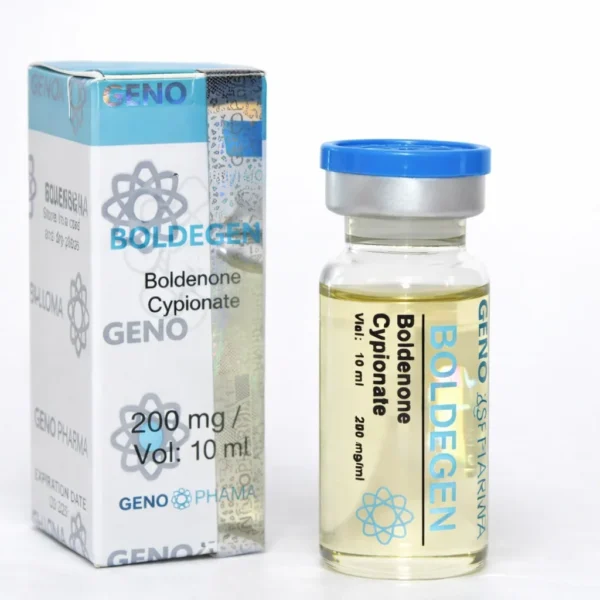
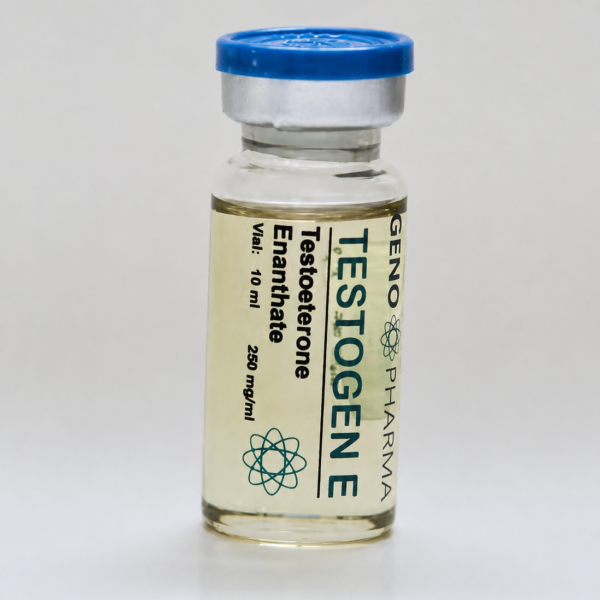
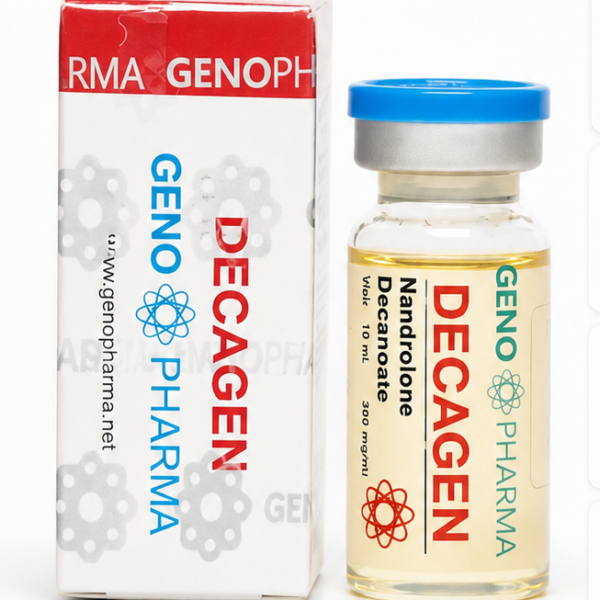
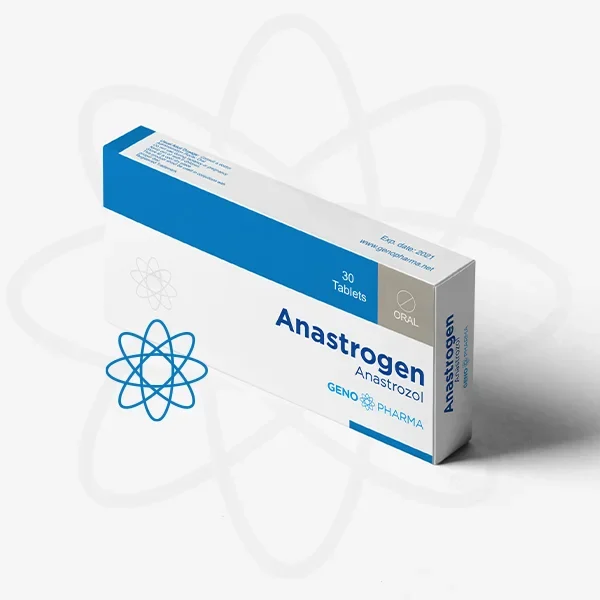
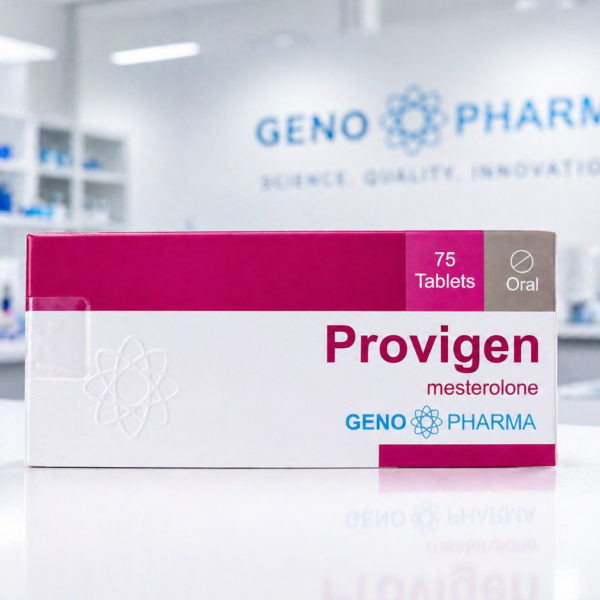
Geno Pharma: One user on a forum mentioned getting “great results with no side effects” from this brand.
Human Pharma: This is another brand that has appeared in community discussions, with some lab tests reportedly showing an average purity of 94.27%.
References
Recent sources
Azevedo, R. de A., Gualano, B., Teixeira, T. A., Nascimento, B. C. G., & Hallak, J. (2024). Abusive use of anabolic androgenic steroids, male sexual dysfunction and infertility: An updated review. Frontiers in Toxicology, 6, 1379272. doi:10.3389/ftox.2024.1379272
Bond, P., Smit, D. L., & de Ronde, W. (2022). Anabolic–androgenic steroids: How do they work and what are the risks? Frontiers in Endocrinology, 13, 1059473. doi:10.3389/fendo.2022.1059473
Buhl, L. F., Christensen, L. L., Hjortebjerg, R., et al. (2025). Illicit anabolic steroid use and cardiovascular status in men and women. JAMA Network Open, 8(8), e2526636. doi:10.1001/jamanetworkopen.2025.26636
Bubna, A. K., & Viplav, V. (2025). Stanozolol in dermatology: Clinical applications and safety considerations. Journal of Skin and Sexually Transmitted Diseases, 7, 101–105. doi:10.25259/JSSTD_25_2025
Campos, E. R., Eller, S., Birk, L., Coimbra, M. A., Macedo, S. M. D., Yonamine, M., Merib, J. O., & Oliveira, T. F. de. (2020). Analysis of seized stanozolol formulations in South Brazil by liquid chromatography coupled to quadrupole time-of-flight mass spectrometry. Drug Analytical Research, 4(2), 58–63. doi:10.22456/2527-2616.108853
Chen, X., et al. (2021). Stanozolol improves the progression-free survival of patients with high-risk myelodysplastic syndrome after decitabine treatment. Annals of Hematology. doi:10.1007/s12185-021-03115-9
Göschl, L., Gmeiner, G., Gärtner, P., Stadler, G., Enev, V., Thevis, M., Schänzer, W., Guddat, S., & Forsdahl, G. (2021). Stanozolol-N-glucuronide metabolites in human urine samples as suitable targets in terms of routine anti-doping analysis. Drug Testing and Analysis, 13(9), 1668–1677. doi:10.1002/dta.3109
Grant, B., Pradeep, A., Minhas, S., Dhillo, W. S., Quinton, R., & Jayasena, C. N. (2023). Survey of endocrinologists managing recovery from anabolic androgenic steroid induced hypogonadism. Reproduction & Fertility, 4(1). doi:10.1530/RAF-22-0097
Jayasena, C. N., et al. (2023). Factors predicting normalization of reproductive hormones after anabolic-androgenic steroid cessation. European Journal of Endocrinology, 189(6), 601–613.
Maurer, M., Magerl, M., Aygören-Pürsün, E., et al. (2021). Attenuated androgen discontinuation in patients with hereditary angioedema: A commented case series. Allergy, Asthma & Clinical Immunology, 18, 5. doi:10.1186/s13223-021-00644-0
Maurer, M., Magerl, M., Betschel, S., et al. (2022). The international WAO/EAACI guideline for the management of hereditary angioedema. Allergy, 77(7), 1961–1990.
Nunes, V., Schinoni, M. I., Bessone, F., Lucena, M. I., Medina-Cáliz, I., Hernandez, N., Moura Costa, M. C., Lins, I., Cardoso, A. J., Freire, B., Schiavon, L., Silva, M., Cançado, E. R., & Paraná, R. (2025). Stanozolol-induced liver injury: A distinctive cholestatic clinical and biochemical phenotype at presentation. Journal of Clinical and Experimental Hepatology. Advance online publication. doi:10.1016/j.jceh.2025.102506
Qin, Y.-N., Tao, C.-M., Guo, T.-T., Liu, J.-J., Luan, W.-C., & Liu, C.-H. (2025). Case report: Hepatocellular adenoma due to long-term oral stanozolol administration. Frontiers in Medicine, 12, 1654316. doi:10.3389/fmed.2025.1654316
Tavares, A. S. R., Vital, M., Cunha, M., Matos, M. M., & Tonin, F. S. (2024). Impact of anabolic steroid consumption on biochemical and hematological parameters in bodybuilders: A systematic review and evidence gap mapping. Performance Enhancement & Health, 12(2), 100280. doi:10.1016/j.peh.2024.100280
Tungesvik, H. M., Bjørnebekk, A., & Hisdal, J. (2024). Impaired vascular function among young users of anabolic–androgenic steroids. Scientific Reports, 14, 19201. doi:10.1038/s41598-024-70110-5
Wang, L., et al. (2021). Effect of stanozolol combined with cyclosporine A on aplastic anemia. American Journal of Translational Research.
World Anti-Doping Agency. (2024). World Anti-Doping Code International Standard Prohibited List 2025.
Older seminal or historical sources retained because modern direct evidence is sparse
Musharraf, S. G., Arfeen, Q. U., Mazhar, W., & Kanwal, N. (2013). A validated stability-indicating TLC-densitometric method for the determination of stanozolol in pharmaceutical formulations. Chemistry Central Journal, 7, 142. doi:10.1186/1752-153X-7-142
Pop, V., Vajiala, I., Bican, G., & Picu, R. (2011). Comparative detection of stanozolol metabolites in excretion urines. Proceedings of a doping control scientific meeting; route-specific excretion study comparing oral and intramuscular administration.
Thompson, P. D., Cullinane, E. M., Sady, S. P., Chenevert, C., Saritelli, A. L., & Sady, M. A. (1989). Contrasting effects of testosterone and stanozolol on serum lipoprotein levels. JAMA, 261(8), 1165–1168. doi:10.1001/jama.1989.03420080085036
Author :
Dr. Michael R. Kensington, MD, PhD
Board-Certified Endocrinologist, Clinical Andrologist, and Researcher in Anabolic-Androgenic Steroid Medicine
Dr. Michael R. Kensington is a board-certified endocrinologist and clinical andrologist specializing in anabolic-androgenic steroid physiology, reproductive endocrinology, hormone-related disorders, and performance-enhancing drug research. With more than 20 years of experience in academic medicine, endocrine practice, and clinical investigation, his work focuses on the endocrine, cardiovascular, hepatic, and reproductive consequences of androgen exposure.
After earning his Doctor of Medicine (MD), Dr. Kensington completed a PhD in Molecular Endocrinology, where his research concentrated on androgen receptor signaling, steroid metabolism, and hypothalamic-pituitary-gonadal (HPG) axis regulation. He subsequently completed fellowship training in Endocrinology, Diabetes, and Metabolism, followed by advanced clinical specialization in male reproductive endocrinology and andrology.
His research interests include anabolic-androgenic steroid pharmacology, testosterone deficiency, fertility preservation, post-steroid hypogonadism, sports endocrinology, anti-doping science, and the long-term health effects of performance-enhancing drugs. Throughout his career, Dr. Kensington has authored and reviewed numerous peer-reviewed publications addressing steroid-induced hypogonadism, cardiovascular risk among anabolic steroid users, liver toxicity associated with 17α-alkylated androgens, and endocrine recovery following androgen cessation.
Dr. Kensington regularly participates in scientific conferences organized by the Endocrine Society, the American Association of Clinical Endocrinology (AACE), the International Society of Andrology (ISA), and the European Academy of Andrology (EAA). His work emphasizes evidence-based interpretation of anabolic steroid research, with particular attention to translating complex pharmacological data into clinically relevant information for healthcare professionals and patients.
Areas of Expertise
- Anabolic-Androgenic Steroids (AAS)
- Stanozolol (Winstrol)
- Fluoxymesterone (Halotestin)
- Testosterone Physiology
- Male Reproductive Endocrinology
- Post-Steroid Hypogonadism
- Steroid-Induced Infertility
- Sports Endocrinology
- Hormone Recovery Protocols
- Anti-Doping Science
- Steroid-Related Hepatotoxicity
- Cardiovascular Effects of Anabolic Steroids
- Performance-Enhancing Drug Research
- Androgen Receptor Pharmacology
Medical Review Standards
All content authored by Dr. Kensington undergoes comprehensive review using peer-reviewed medical literature, endocrinology guidelines, anti-doping research, toxicology reports, pharmacology databases, and contemporary clinical evidence. References are selected according to scientific quality, publication recency, and relevance to endocrine, hepatic, cardiovascular, and reproductive health outcomes associated with anabolic-androgenic steroid exposure.
Author: Dr. Michael R. Kensington, MD, PhD
Specialty: Endocrinology, Andrology, and Anabolic Steroid Medicine
Experience: 20+ Years in Clinical Endocrinology and Hormone Research




Reviews
There are no reviews yet.