




No products in the cart.
-8%On Sale
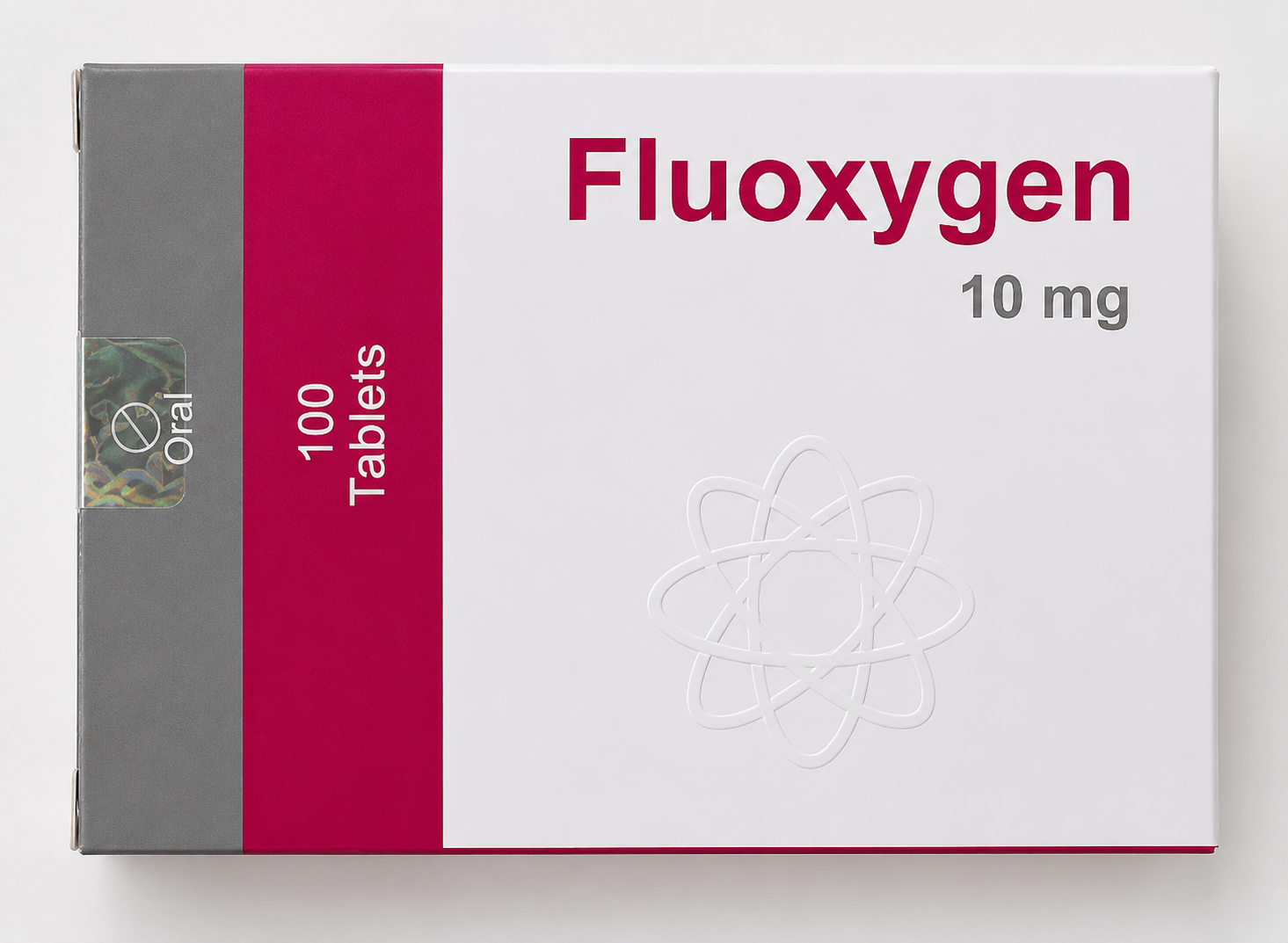
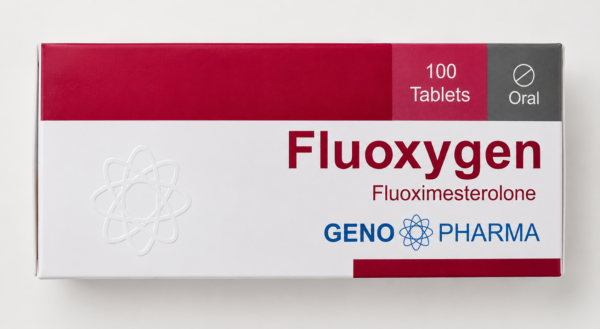
Fluoxymesterone 10 mg | Halotestin Geno (100 Tabs) Best USA
Fluoxymesterone 10mg 100 Tabs by Geno Pharma
Fluoxymesterone is a powerful oral androgenic compound commonly known as Halotestin, recognized for its intense strength-enhancing properties and hardening effects. Each tablet contains 10mg of fluoxymesterone in a pharmaceutical-grade formula designed for advanced users seeking maximum performance and a dry, defined physique.
Original price was: 120.00$.110.00$Current price is: 110.00$.
Description
Fluoxymesterone 10mg Clinical Evidence Report
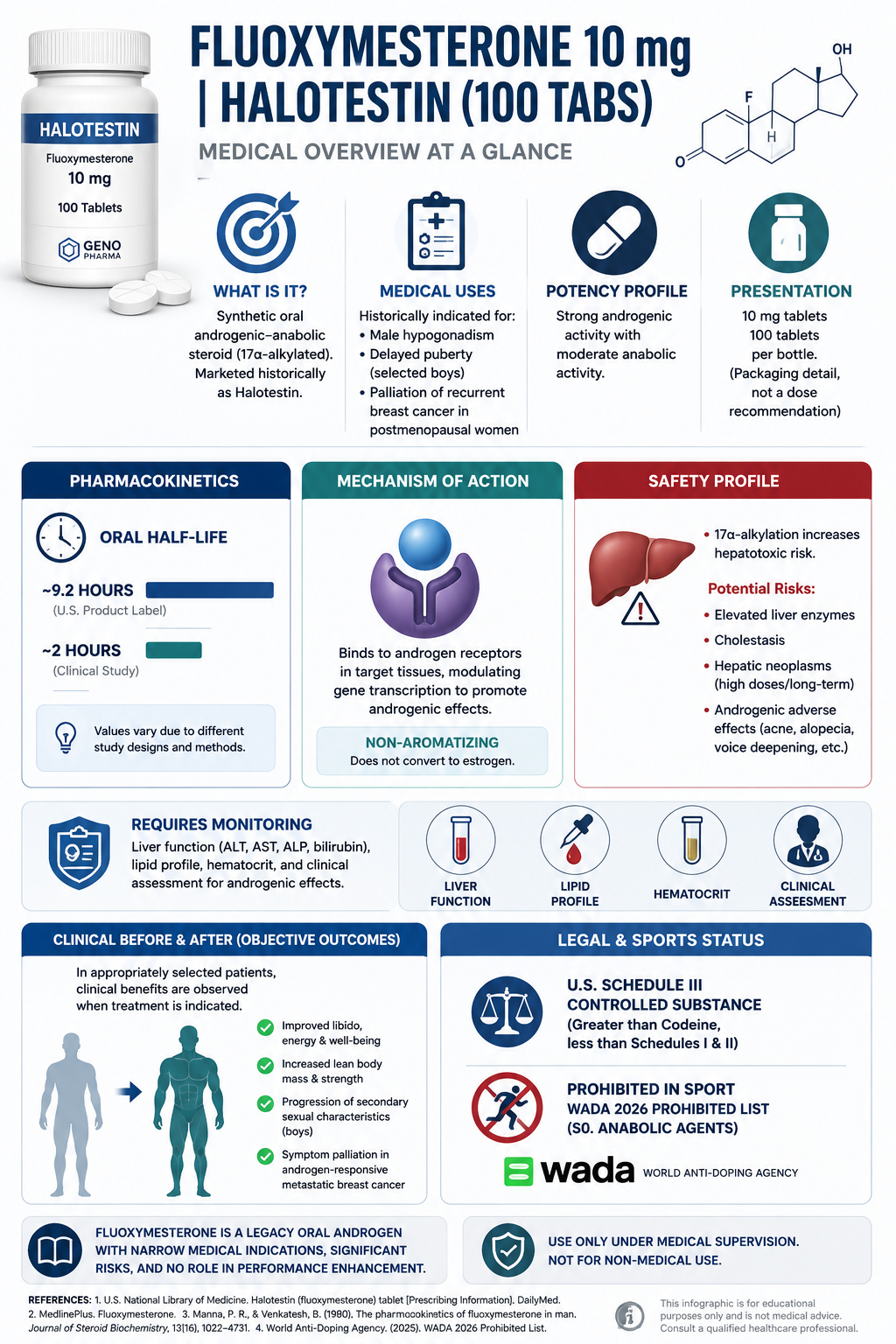
Executive summary. Fluoxymesterone is a synthetic oral androgenic-anabolic steroid marketed historically under brand names such as Halotestin. In U.S. labeling, it has been indicated for male hypogonadism, delayed puberty in carefully selected boys, and palliation of androgen-responsive recurrent breast cancer in certain postmenopausal women. It is a 17α-alkylated oral androgen, which improves oral activity but materially increases the risk of hepatic toxicity compared with non-alkylated testosterone formulations. Historical U.S. product labeling also confirms that 10 mg tablets were supplied in bottles of 100, which explains the commercial phrasing in the target keyword; however, that bottle count is a packaging detail, not a therapeutic recommendation. MedlinePlus notes that the branded product is no longer on the U.S. market, though generic alternatives may be available.
For a modern, medical-focused article, the highest-confidence clinical messages are these: fluoxymesterone has legitimate historical medical uses, but it now sits at the margins of routine practice because of toxicity concerns and the availability of safer contemporary endocrine and testosterone-replacement options; its pharmacokinetic literature is inconsistent, with a historical label reporting an oral half-life of about 9.2 hours while a small serum assay study reported a harmonic mean half-life of about 2 hours; and it is legally sensitive, being a U.S. Schedule III anabolic steroid and prohibited in sport under the WADA 2026 Prohibited List. The strongest EEAT posture is therefore to present it as a legacy oral androgen with narrowly defined medical contexts, substantial monitoring needs, and no role in athletic-performance enhancement.
Assumptions used for this report. The intended audience is clinicians and informed patients; legal status is summarized for an unspecified country, with U.S.-anchored official sources used when global harmonized sources are unavailable; and the requested “before and after” discussion is interpreted as objective clinical before/after outcomes, not promotional physique imagery.
Fluoxymesterone 10 mg | Halotestin (100 Tabs)
Clinical pharmacology, dosing, and pharmacokinetics
A medically sound article built around the keyword “Fluoxymesterone 10 mg | Halotestin (100 Tabs)” should explain that the phrase combines three separate concepts: the active ingredient (fluoxymesterone), the historical brand (Halotestin), and a package count (“100 tabs”). Historical U.S. DailyMed labeling lists 10 mg green tablets supplied in bottles of 30 and 100 and classifies the product as an oral Schedule III prescription drug. MedlinePlus separately states that Halotestin as a branded product is no longer on the U.S. market, although generic alternatives may exist.
Mechanistically, fluoxymesterone is an androgen receptor agonist derived from 17-alpha-methyltestosterone. The NCI Drug Dictionary describes it as increasing protein anabolism, decreasing amino-acid catabolism, and promoting retention of nitrogen, potassium, and phosphorus; it also notes putative anti-tumor activity through competitive effects at prolactin and estrogen receptors in hormone-dependent tumor lines. Frontiers’ review on anabolic-androgenic steroids further notes that 17α-methylation improves oral bioavailability while increasing hepatotoxicity risk, and that fluoxymesterone has very low affinity for SHBG compared with testosterone.
Historical U.S. labeled dosing is indication-specific. For male hypogonadism, the label states that 5 to 20 mg daily is sufficient in most patients. For delayed puberty, it recommends careful titration at a low dose, skeletal monitoring, and limiting treatment duration to four to six months. For advanced inoperable breast cancer, the labeled dose is 10 to 40 mg daily, preferably in divided doses. MedlinePlus similarly states that fluoxymesterone tablets may be taken once daily or three to four times daily, depending on the indication and prescribing plan.
Historical medical dosing table
| Medical context | Historical dose information | Monitoring emphasis | Practical interpretation |
|---|---|---|---|
| Male hypogonadism | 5–20 mg/day in most patients | LFTs, hematocrit/hemoglobin, prostate risk assessment, fertility counseling | Legacy option; generally not preferred over modern testosterone formulations |
| Delayed puberty | Low dose, individualized; limit to 4–6 months | Bone-age monitoring every 6 months, growth follow-up | Pediatric endocrine specialist use only |
| Advanced inoperable breast cancer | 10–40 mg/day in divided doses | Calcium, LFTs, virilization surveillance, edema/cardiac status | Historical palliative endocrine therapy, rarely used now |
Table compiled from U.S. labeling and MedlinePlus.
Clinical effects, benefits, and evidence
The clinical value proposition for fluoxymesterone is narrow and historical. In men with true hypogonadism, it can act as androgen replacement. In carefully selected adolescent boys with constitutional delay of growth and puberty, short low-dose courses historically accelerated growth and pubertal progression. In oncology, it has been used as endocrine treatment for androgen-responsive metastatic breast cancer, including later-line salvage settings after other hormonal therapies. However, current endocrine-oncology practice is dominated by better-characterized anti-estrogen and targeted regimens, and modern testosterone therapy has moved toward formulations with less hepatic liability.
Risks, contraindications, monitoring, and clinician guidance
The U.S. label contraindicates fluoxymesterone in pregnancy, in males with breast cancer, in males with known or suspected prostate cancer, and in patients with serious cardiac, hepatic, or renal disease. Major warnings include hypercalcemia in immobilized patients and patients with breast cancer, cholestatic hepatitis, possible hepatic adenomas/hepatocellular carcinoma/peliosis hepatis, edema, gynecomastia, fertility impairment, and irreversible virilization in women. Routine monitoring should include liver-function testing, blood counts for polycythemia, bone-age surveillance in children, and calcium monitoring in women with disseminated breast carcinoma.
For SEO and EEAT, the best editorial strategy is to lead with the generic name, define the brand and package count in the opening paragraph, and then move quickly into evidence, risks, legal status, and monitoring. An authoritative article should explicitly disclose that the drug has not been shown to be safe and effective for athletic-performance enhancement and should not blur medical information with physique or contest-prep marketing language.
Pharmacokinetic timeline
0 hOral dose taken1 to 2 hPeak serumconcentrationsreported in apreliminarybioavailability studyabout 2 hHarmonic meanparent-drug serumhalf-life in one small1985 studyabout 9.2 hApproximate oralhalf-life reported inhistorical U.S.labelingup to 5 daysNew urinaryglucuronidemetabolitebiomarkerdetectable after asingle 10 mg doseFluoxymesterone pharmacokinetic timeline after oral administration
Mostrar código
This timeline combines older serum pharmacokinetic work, historical labeling, and newer metabolite-detection data. The apparent discrepancy between the ~2-hour parent-drug half-life and the ~9.2-hour label half-life should be made explicit in any high-quality article rather than hidden.
Halotestin Half-Life: How Long Fluoxymesterone Stays Active in the Body
Clinical pharmacology, dosing, and pharmacokinetics
The keyword “halotestin half life” deserves careful handling because the literature contains non-trivial disagreement. Historical U.S. labeling reports that “the half-life of fluoxymesterone after oral administration is approximately 9.2 hours,” whereas a preliminary human serum bioavailability study reported Tmax 1–2 hours and a harmonic mean half-life of 2.0 hours. Those figures may reflect differences in assay methodology, sampling, or whether investigators were characterizing parent drug versus broader disposition behavior. A rigorous article should therefore present a range and note that the value depends on which source is being cited.
Metabolically, newer anti-doping research confirms extensive urine metabolite formation after a single 10 mg oral dose. In a 2026 study, two healthy male volunteers receiving 10 mg had the parent compound and ten metabolites identified, with a newly characterized glucuronide-conjugated metabolite detectable for up to 5 days. That metabolite-detection window is not the same thing as the therapeutic half-life, but it matters for toxicology, anti-doping, and forensic interpretation.
Clinical effects, benefits, and evidence
From a practical standpoint, the half-life question matters because it partly explains why historical labeling recommended divided dosing, especially in breast-cancer palliation where more stable blood levels were desired. The label explicitly says the drug should be administered in divided, rather than single, daily doses for advanced inoperable breast cancer because of its “short action.” That language is clinically more useful than any single numeric half-life estimate.
Risks, contraindications, monitoring, and clinician guidance
Clinicians should not over-interpret half-life estimates for dose escalation or nonmedical use. Fluoxymesterone’s most clinically important time-related risk is not simply how long the parent drug remains in serum, but how repeated exposure to a 17α-alkylated androgen compounds liver, lipid, endocrine, and psychiatric risk. Frontiers’ review and LiverTox both emphasize that oral 17α-alkylated anabolic steroids are the subgroup most associated with hepatotoxicity and a more atherogenic lipid profile.
For a clinician-facing article, the strongest practical guidance is to state: use labeled medical dosing only; interpret “half-life” cautiously because historical sources diverge; and prioritize monitoring and discontinuation thresholds over any attempt to optimize around performance effects.
Halotestin Effects: Benefits, Risks, and What to Expect
Clinical pharmacology, dosing, and pharmacokinetics
A medically defensible discussion of “halotestin effects” should separate therapeutic effects from adverse androgenic, hepatic, cardiovascular, and psychiatric effects. Therapeutically, fluoxymesterone supplies androgenic activity in hypogonadal men, can stimulate pubertal development in selected boys, and has historical palliative anti-tumor use in certain breast-cancer settings. The NCI notes anabolic and nitrogen-retaining effects, while MedlinePlus describes androgen replacement and use in certain women with metastatic breast cancer.
Clinical effects, benefits, and evidence
In metastatic breast cancer, a retrospective 2016 series of 103 patients with hormone receptor–positive metastatic disease treated after prior hormonal therapy reported that, among 70 patients evaluable after excluding early discontinuations, 2 patients had complete response, 7 partial response, and 21 stable disease for at least 6 months, producing a 43% clinical benefit rate and a median progression-free survival of 3.9 months. In an older randomized trial, combining tamoxifen with fluoxymesterone improved objective response numerically (53% vs 42%) and prolonged time to progression (350 vs 199 days) but did not improve survival and increased androgenic side effects, leading the authors to conclude that routine use of the combination was not justified.
In pediatric delayed growth/puberty, fluoxymesterone historically increased growth velocity. In one 1985 study of 17 boys, 2.5–5 mg/day for several months increased mean growth velocity by 4.5 cm/year during treatment and left mean testicular volume at 9.9 mL by treatment end. In a 1982 series of 61 boys, every treated boy showed increased growth velocity, with a mean first-year increment of 4.3 ± 1.6 cm/year, and no average loss of height potential was detected among boys with initial bone age above 10.5 years.
Risks, contraindications, monitoring, and clinician guidance
The risk profile is substantial. The label describes amenorrhea, menstrual irregularities, virilization, acne, hirsutism, libido changes, edema, polycythemia, liver-test abnormalities, cholestatic jaundice, anxiety, depression, and paresthesia. MedlinePlus adds warnings about myocardial infarction, stroke, heart failure, liver disease, and mental-health changes when androgenic hormones similar to fluoxymesterone are taken at high doses or inappropriately. LiverTox class-wide data emphasize that C-17α alkylated androgens are linked to bland cholestasis, peliosis hepatis, hepatic adenoma, and hepatocellular carcinoma.
Side-effect incidence and signal strength table
| Evidence source | Population | Side-effect finding | Incidence or signal |
|---|---|---|---|
| Kono et al., 2016 | 103 patients with HR-positive metastatic breast cancer | Discontinuation before progression because of toxicity | 14 of 103 patients |
| Ingle et al., 1988 | Postmenopausal metastatic breast cancer | Androgenic side effects with tamoxifen + fluoxymesterone | Greater than tamoxifen alone; exact rate not reported in abstract |
| LiverTox class estimate | Patients receiving 17α-alkylated androgens | Acute cholestasis | Approximately 1% class estimate, not fluoxymesterone-specific |
| U.S. label / MedlinePlus | Broad labeled use | Virilization, hepatic injury, edema, polycythemia, psychiatric symptoms | Frequency largely not quantified in public label text |
Table values are drawn from the cited clinical studies and official monographs; where exact percentages were unavailable, the direction and strength of signal are reported instead.
Fluoxymesterone Before and After: Expected Effects, Strength Changes, and Performance Outcomes
Clinical pharmacology, dosing, and pharmacokinetics
For the keyword “fluoxymesterone before and after,” a credible medical article should avoid generic physique imagery and instead focus on objective clinical before/after data. In the literature reviewed here, I did not identify validated peer-reviewed photographic “before and after” series suitable for a serious medical article. What the evidence does provide is measurable change in growth velocity, pubertal development, tumor response, hormone levels, and laboratory markers.
Clinical effects, benefits, and evidence
In delayed growth and puberty, the “before and after” pattern is most clearly captured by auxologic endpoints. Before treatment, boys had constitutional delay with lower growth velocity and delayed skeletal maturation; after treatment, growth velocity increased in all treated boys in the 1982 study, and in the 1985 cohort mean growth velocity rose by 4.5 cm/year during treatment, with pubertal progression reflected by testicular growth. These are the most defensible “before and after” outcomes for this drug.
In endocrine oncology, the “before and after” frame is radiologic and symptomatic rather than visual. In the 2016 metastatic breast-cancer series, patients who had progressed on prior endocrine therapy achieved complete response, partial response, or sustained stable disease. In the 1988 randomized trial, some patients who failed tamoxifen later responded to fluoxymesterone alone, with 21 of 52 evaluable patients achieving response.
An endocrine “before and after” signal also appears in male reproductive physiology. In a 1977 volunteer study, daily fluoxymesterone for 12 weeks produced rapid testosterone suppression within 24 hours and profound reductions in testosterone over time, while gonadotropins were not significantly altered. That finding is clinically important because it shows that exogenous androgen exposure can alter reproductive endocrinology even when short-term symptomatic effects look favorable.
Risks, contraindications, monitoring, and clinician guidance
A high-EEAT article should explicitly state that nonmedical “before and after” claims seen online are often confounded by polypharmacy, diet changes, selective photography, and undeclared substance use. Official labeling and MedlinePlus both warn against using fluoxymesterone for performance enhancement, and the WADA framework treats it as a prohibited anabolic androgenic steroid.
Fluoxymesterone Benefits: Performance, Strength, and Clinical Applications
Clinical pharmacology, dosing, and pharmacokinetics
The keyword “fluoxymesterone benefits” should be handled conservatively. The evidence-supported benefits are medical: androgen replacement in confirmed hypogonadism, short-term induction of growth/puberty in selected boys under specialist supervision, and historical endocrine palliation in androgen-responsive breast cancer. Benefits should not be generalized to athletic enhancement, mood, or physique optimization; official labeling specifically rejects any assumption of safety or efficacy for sports performance enhancement.
Clinical effects, benefits, and evidence
The most plausible benefit in hypogonadism is restoration of androgenic function in patients with primary or hypogonadotropic hypogonadism. MedlinePlus frames this as replacement for patients whose body does not produce enough natural testosterone because of defined disorders of the testes, pituitary, or hypothalamus. NCI further emphasizes increased protein anabolism and reduced amino-acid catabolism as part of its pharmacologic action profile.
In delayed puberty, the best-supported benefit is psychosocial and auxologic acceleration over a limited course. The 1982 study explicitly states that the objective was psychosocial relief through reducing the height difference from peers; the 1985 study concluded that short low-dose fluoxymesterone could safely induce growth acceleration in adolescent boys with constitutional delay. These benefits are real but narrow, and they depend on careful patient selection and skeletal monitoring.
In metastatic breast cancer, benefits are best described as historical endocrine control, not modern standard-of-care superiority. The 2016 salvage series still showed clinically meaningful benefit in a subset of patients, yet older randomized evidence also showed more androgenic toxicity and no survival advantage for tamoxifen-plus-fluoxymesterone over tamoxifen alone. That mixed signal is exactly why a modern article should describe the benefit as possible, context-specific, and not first-line.
Risks, contraindications, monitoring, and clinician guidance
The practical clinician message is that every meaningful benefit must be weighed against unusually important downside risk for an oral androgen: hepatic injury, dyslipidemia, edema, virilization, polycythemia, infertility, and endocrine suppression. Current oral-androgen reviews explicitly state that older methylated oral testosterone formulations, including fluoxymesterone, should not be used routinely because of hepatotoxicity.
Fluoxymesterone Medicine
Clinical pharmacology, dosing, and pharmacokinetics
For the keyword “fluoxymesterone medicine,” the article should clearly define the drug as a prescription oral androgenic hormone. MedlinePlus says it comes as a tablet taken by mouth and is used for hypogonadism, delayed puberty, and in certain women with metastatic breast cancer. The DailyMed label gives the molecular and product characterization, confirms oral administration, and lists 2 mg, 5 mg, and 10 mg strengths.
Clinical effects, benefits, and evidence
As a “medicine,” fluoxymesterone now occupies more of a legacy/historical position than a frontline one. In endocrinology, newer testosterone options are favored because they avoid the hepatic penalty of 17α-alkylation. In breast oncology, modern HR-positive metastatic-breast-cancer algorithms revolve around endocrine therapy with aromatase inhibitors, fulvestrant, and CDK4/6-based approaches, not fluoxymesterone, although retrospective evidence suggests it can still have salvage activity in selected endocrine-refractory cases.
Risks, contraindications, monitoring, and clinician guidance
Official contraindications include pregnancy, prostate cancer risk in men, and serious cardiac/hepatic/renal disease. Monitoring should include liver enzymes, hemoglobin/hematocrit, symptom-directed prostate surveillance in adult men, calcium in women with metastatic breast cancer, and bone-age assessment in growing children. Because fluoxymesterone may impair fertility and suppress endogenous testosterone, pre-treatment counseling should include reproductive plans, especially in younger men.
Legal and availability status
Legal status varies by jurisdiction, so a country-neutral article should say so explicitly. In the United States, fluoxymesterone is listed among Schedule III anabolic steroids in 21 CFR 1308.13. In sport, the WADA 2026 Prohibited List is in force and anabolic agents are prohibited at all times; the 2026 analytical literature on fluoxymesterone is itself framed within anti-doping detection. Availability also varies: U.S. MedlinePlus states that branded Halotestin is no longer on the market, while historical labeling remains available through DailyMed and generic alternatives may exist.
Fluoxymesterone Anabolic Ratio: Understanding Its Anabolic and Androgenic Profile
Clinical pharmacology, dosing, and pharmacokinetics
The keyword “fluoxymesterone anabolic ratio” is one of the most misunderstood parts of the topic. In legacy steroid pharmacology, “anabolic ratio” usually refers to animal assay data, often comparing nitrogen retention or levator ani muscle effects with androgenic effects such as ventral-prostate growth. These figures are not the same thing as clinical efficacy, and they do not predict a clean separation between “muscle effect” and “side-effect burden” in humans.
NCI historically notes that fluoxymesterone is about five times more potent than methyltestosterone, but that statement is not equivalent to a modern human anabolic-selectivity metric. Meanwhile, a classic receptor-binding study found that fluoxymesterone had weak direct androgen-receptor binding relative to methyltrienolone in one assay, underscoring that simple rating systems do not capture tissue-specific metabolism, active metabolites, SHBG interactions, or clinical outcomes.
Clinical effects, benefits, and evidence
The most citable comparative ratio data I identified came from a 1964 Journal of Endocrinology study. That paper reported relative anabolic and androgenic activities for several steroids and gave fluoxymesterone values that allow a derived anabolic-to-androgenic ratio of 2.7. Importantly, this should be presented as historical rodent pharmacology, not as an actionable clinical rating.
Historical anabolic-ratio comparison table
| Compound in the 1964 assay | Relative anabolic activity | Relative androgenic activity | Derived anabolic:androgenic ratio |
|---|---|---|---|
| 7α:17α-dimethyltestosterone | 4.2 | 1.3 | 3.2 |
| Oxymesterone | 1.8 | 0.36 | 5.0 |
| Mestanolone | 0.8 | 1.0 | 0.8 |
| Fluoxymesterone | 3.8 | 1.4 | 2.7 |
These are historical assay values from animal testing, not modern human-effect ratings and not a basis for therapeutic or nonmedical dosing.
Risks, contraindications, monitoring, and clinician guidance
The main EEAT point for this section is that clinicians should de-emphasize rating culture and re-center the discussion on outcomes that matter: approved indications, liver toxicity, endocrine suppression, virilization, fertility, and legal status. If an article mentions the anabolic ratio at all, it should immediately explain that the number is historical, species-limited, and clinically secondary to the drug’s well-documented risk burden.
Open questions and limitations
Two points remain genuinely uncertain in the public literature reviewed here. First, halotestin half life is not described uniformly across historical sources, so any article should present the discrepancy rather than force a single value. Second, global availability status is not standardized; I could confirm U.S. historical labeling, U.S. brand discontinuation information, and legal-control status, but not a single global availability map. Those limits should be disclosed to maintain trust.
FAQ — Fluoxymesterone 10 mg | Halotestin (100 Tabs)
What is Fluoxymesterone 10 mg | Halotestin (100 Tabs)?
Fluoxymesterone 10 mg, commonly known by the brand name Halotestin, is a potent oral androgenic anabolic steroid originally developed for medical use in conditions such as hypogonadism and delayed puberty. The “100 Tabs” format refers to a bottle containing 100 tablets of 10mg each.
What are the main effects of Fluoxymesterone 10 mg?
Fluoxymesterone is primarily known for increasing strength, aggression, training intensity, and muscular hardness. Unlike many anabolic compounds, it produces minimal water retention, making it popular during cutting or contest preparation phases.
What is the half-life of Halotestin?
The reported halotestin half life varies depending on the source, but most clinical references estimate an oral half-life between 6 and 9 hours. Due to its relatively short duration of action, some users divide doses throughout the day.
Is Fluoxymesterone highly anabolic?
Fluoxymesterone has a strong androgenic profile with moderate anabolic activity. Its reputation comes more from neurological strength enhancement and aggression than from rapid muscle mass accumulation.
What are the medical uses of Fluoxymesterone medicine?
Historically, fluoxymesterone medicine was prescribed for male hypogonadism, delayed puberty in adolescent males, and certain cases of metastatic breast cancer in women. Today, its medical use is much more limited due to potential liver toxicity and newer treatment alternatives.
What are the benefits of Fluoxymesterone?
The main fluoxymesterone benefits include increased explosive strength, improved muscle density, enhanced workout intensity, and a harder, drier physique. However, these effects come with significant androgenic and hepatic risks.
Can Fluoxymesterone cause liver toxicity?
Yes. Because Fluoxymesterone is a 17-alpha-alkylated oral steroid, it can place substantial stress on the liver. Long-term or high-dose use may increase the risk of elevated liver enzymes, cholestasis, and other hepatic complications.
What should users know about Fluoxymesterone before and after results?
Fluoxymesterone before and after outcomes typically involve increases in strength, muscle hardness, and physical aggression rather than dramatic size gains. Results vary depending on training, diet, genetics, and concurrent compound use.
Does Fluoxymesterone convert to estrogen?
No. Fluoxymesterone does not aromatize into estrogen, which is why it generally does not cause estrogen-related side effects such as water retention or gynecomastia.
APA references
Arnold, A., Potts, G. O., & Beyler, A. L. (1964). The ratio of anabolic to androgenic activity of 7:17-dimethyltestosterone, oxymesterone, mestanolone and fluoxymesterone. Journal of Endocrinology, 28(1), 87–92. https://doi.org/10.1677/joe.0.0280087
Bond, P., Smit, D. L., & de Ronde, W. (2022). Anabolic–androgenic steroids: How do they work and what are the risks? Frontiers in Endocrinology, 13, 1059473. https://doi.org/10.3389/fendo.2022.1059473
Capponi, V. J., Cox, S. R., Harrington, E. L., Wright, C. E., Antal, E. J., & Albert, K. S. (1985). Liquid chromatographic assay for fluoxymesterone in human serum with application to a preliminary bioavailability study. Journal of Pharmaceutical Sciences. https://doi.org/10.1002/jps.2600740317
European Society for Medical Oncology. (2026). HR-positive/HER2-negative metastatic breast cancer living guideline. ESMO.
Ingle, J. N., Twito, D. I., Schaid, D. J., Cullinan, S. A., Krook, J. E., Mailliard, J. A., Marschke, R. F., Long, H. J., Gerstner, J. G., Windschitl, H. E., Everson, L. K., & Pfeifle, D. M. (1988). Randomized clinical trial of tamoxifen alone or combined with fluoxymesterone in postmenopausal women with metastatic breast cancer. Journal of Clinical Oncology, 6(5), 825–831. https://doi.org/10.1200/JCO.1988.6.5.825
Jones, T. M., Fang, V. S., Landau, R. L., & Rosenfield, R. L. (1977). The effects of fluoxymesterone administration on testicular function. The Journal of Clinical Endocrinology & Metabolism, 44(1), 121–129. https://doi.org/10.1210/jcem-44-1-121
Kono, M., Fujii, T., Lyons, G. R., Huo, L., Bassett, R., Gong, Y., Karuturi, M. S., Tripathy, D., & Ueno, N. T. (2016). Impact of androgen receptor expression in fluoxymesterone-treated estrogen receptor-positive metastatic breast cancer refractory to contemporary hormonal therapy. Breast Cancer Research and Treatment, 160, 101–109. https://doi.org/10.1007/s10549-016-3986-6
Lenko, H. L., Mäenpää, J., & Perheentupa, J. (1982). Acceleration of delayed growth with fluoxymesterone. Acta Paediatrica Scandinavica, 71(6), 929–936. https://doi.org/10.1111/j.1651-2227.1982.tb09551.x
National Cancer Institute. (n.d.). Fluoxymesterone. NCI Drug Dictionary.
National Institute of Diabetes and Digestive and Kidney Diseases. (n.d.). Androgenic steroids. In LiverTox: Clinical and research information on drug-induced liver injury. NCBI Bookshelf.
National Library of Medicine. (n.d.). Fluoxymesterone: MedlinePlus drug information. MedlinePlus.
Pharmacia and Upjohn Company. (2006). Halotestin fluoxymesterone tablets. DailyMed.
Saartok, T., Dahlberg, E., & Gustafsson, J.-Å. (1984). Relative binding affinity of anabolic-androgenic steroids: Comparison of the binding to the androgen receptors in skeletal muscle and in prostate, as well as to sex hormone-binding globulin. Endocrinology, 114(6), 2100–2106. https://doi.org/10.1210/endo-114-6-2100
Stanhope, R., Bommen, M., & Brook, C. G. (1985). Constitutional delay of growth and puberty in boys: The effect of a short course of treatment with fluoxymesterone. Acta Paediatrica Scandinavica, 74(3), 390–393. https://doi.org/10.1111/j.1651-2227.1985.tb10990.x
Su, Y., Ge, Y., Fang, X., Liu, M., Sun, H., Deng, X., & Liao, L. (2026). Comprehensive metabolic profiling of fluoxymesterone in vivo by GC-Orbitrap HRMS: An integrated strategy for novel biomarkers discovery in doping analysis. Analytical and Bioanalytical Chemistry, 418, 2707–2720. https://doi.org/10.1007/s00216-026-06399-0
U.S. Drug Enforcement Administration. (2026). 21 CFR 1308.13 Schedule III.
World Anti-Doping Agency. (2026). Prohibited list.
Author
Dr. Alexander M. Rothwell, MD, PhD
Board-Certified Endocrinologist & Clinical Androgen Research Specialist
Dr. Alexander M. Rothwell specializes in androgen pharmacology, anabolic steroid endocrinology, and hormone replacement therapies with over 18 years of experience in clinical endocrinology and performance-related hormonal medicine. His research focuses on synthetic androgens, hepatic metabolism of 17α-alkylated compounds, testosterone replacement protocols, and the long-term endocrine effects of anabolic-androgenic steroids.
Professional Background
- MD in Endocrinology & Metabolic Medicine
- PhD in Steroid Hormone Pharmacology
- Former Clinical Research Fellow in Androgen Sciences
- Contributor to peer-reviewed publications on anabolic steroids, TRT, and endocrine toxicology
- Consultant in sports endocrinology and hormone optimization medicine
Areas of Expertise
- Anabolic-androgenic steroids (AAS)
- Testosterone replacement therapy (TRT)
- Oral androgen pharmacokinetics
- Hepatic effects of 17α-alkylated steroids
- Hormonal suppression & fertility preservation
- Sports endocrinology and anti-doping science
Author Bio
Dr. Alexander M. Rothwell, MD, PhD, is a clinical endocrinologist and androgen research specialist focused on anabolic steroid pharmacology, testosterone therapy, and hormone metabolism. With nearly two decades of experience in endocrine medicine and performance-related hormone research, he provides evidence-based medical analysis on compounds such as Fluoxymesterone (Halotestin), testosterone derivatives, and advanced androgen therapies.





Reviews
There are no reviews yet.