




No products in the cart.
new-14%On Sale
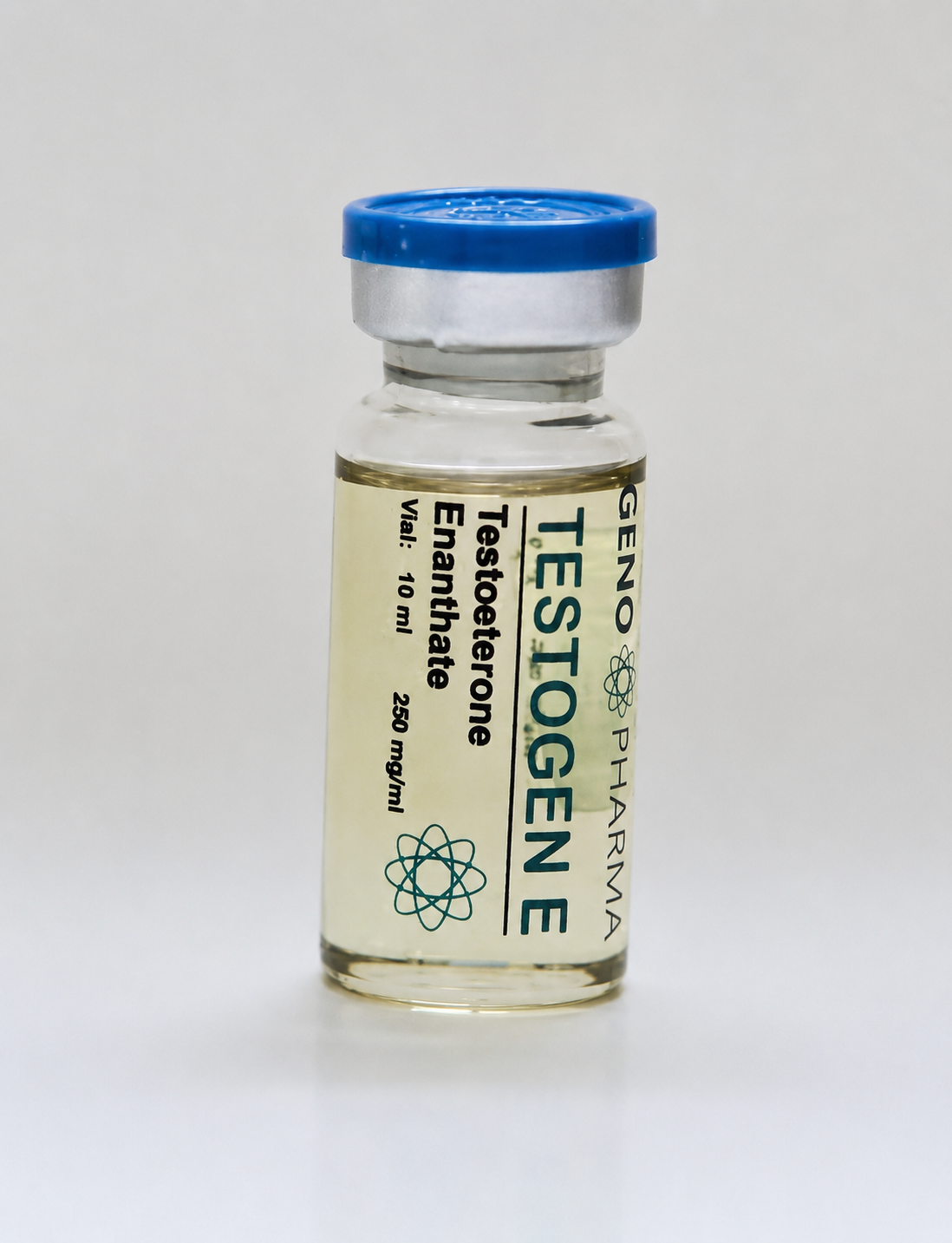
Testosterone Enanthate for Sale – Geno Pharma 250mg 10ml
Testosterone Enanthate by Geno Pharma is presented in a 10 ml multidose vial with a concentration of 250 mg/ml. This long-acting injectable testosterone formulation provides 2,500 mg of testosterone enanthate per vial.
Original price was: 115.00$.99.00$Current price is: 99.00$.
Description
Testosterone Enanthate for Sale – Geno Pharma 250mg 10ml
Testosterone Enanthate for sale by Geno Pharma is presented as a 250 mg/ml oil-based injectable solution in a 10 ml multidose vial. This long-acting testosterone ester is designed to release testosterone gradually from the injection depot instead of producing the brief exposure associated with unesterified testosterone.
Each Geno Pharma vial contains 2,500 mg of testosterone enanthate in total. The combination of a high-concentration formulation, multidose format, and extended-release ester makes this presentation relevant to customers specifically searching for Testosterone Enanthate 250mg, Test E 250, or a 10 ml testosterone enanthate vial.
Before purchasing testosterone enanthate online, buyers should confirm the concentration, brand, batch information, packaging integrity, availability, and applicable purchasing requirements. Medical use should occur only after appropriate clinical evaluation because testosterone can affect hematocrit, blood pressure, fertility, lipid levels, prostate-related parameters, and natural hormone production.
Testosterone Enanthate for Sale: Geno Pharma Product Overview
Geno Pharma Testosterone Enanthate is supplied in a 10 ml vial containing 250 mg of testosterone enanthate per milliliter. It is a single-ester testosterone product rather than a blend of several esters with different release characteristics.
The enanthate ester increases the lipid solubility of testosterone and slows its movement from an oil-based injection depot into circulation. After the esterified compound enters the bloodstream, enzymes gradually separate the enanthate chain from the testosterone molecule. This process produces biologically active testosterone that can interact with androgen receptors throughout the body.
The product format should be distinguished from the amount administered at any particular time. A concentration of 250 mg/ml describes how much testosterone enanthate is present in each milliliter of solution; it does not establish an appropriate dosage or administration schedule for an individual.
| Product specification | Geno Pharma presentation |
|---|---|
| Product name | Testosterone Enanthate Injection |
| Brand | Geno Pharma |
| Active ingredient | Testosterone Enanthate |
| Concentration | 250 mg/ml |
| Vial volume | 10 ml |
| Total ester content | 2,500 mg per vial |
| Dosage form | Oil-based injectable solution |
| Container | Multidose vial |
| Ester type | Enanthate |
| Release profile | Long-acting depot formulation |
Product photographs, available packaging information, and the physical vial should all display the same brand, concentration, volume, batch number, and expiration information. Any discrepancy should be investigated before the product is accepted or used.
What Does 250mg/ml in a 10ml Vial Mean?
The concentration printed on the product indicates that every milliliter of solution contains 250 mg of testosterone enanthate:
[
250\ \text{mg/ml} \times 10\ \text{ml}=2,500\ \text{mg}
]
Therefore, one complete 10 ml vial contains 2,500 mg of testosterone enanthate ester.
This figure represents the combined molecular weight of testosterone and its attached enanthate chain. Testosterone has a molecular weight of approximately 288.4 g/mol, while testosterone enanthate has a molecular weight of approximately 400.6 g/mol. Consequently, 250 mg of testosterone enanthate corresponds chemically to approximately 180 mg of testosterone after the ester has been removed.
This distinction does not mean that the entire amount becomes available immediately. The purpose of the ester and oil depot is to delay its release. Absorption occurs gradually, and the resulting exposure depends on the formulation, route of administration, injection interval, individual metabolism, and other physiological factors.
It is equally important not to confuse concentration with dosage. The label 250 mg/ml tells the reader what the solution contains. It does not mean that 250 mg is automatically suitable for every person or every application.
Buying Testosterone Enanthate Online: Availability, Price, and Product Verification
A person searching for Testosterone Enanthate for sale usually wants more than a general explanation of the hormone. The search also involves practical questions about brand, concentration, vial size, current price, stock status, shipping availability, and product authenticity.
For this reason, a product listing should identify the exact presentation before describing the general properties of testosterone enanthate. Geno Pharma Testosterone Enanthate contains 250 mg/ml and comes in a 10 ml vial. It should not be confused with 200 mg/ml pharmacy formulations, single-dose ampoules, 1 ml vials, or products containing testosterone cypionate.
Price comparisons should also account for total vial content. A lower-priced product does not necessarily provide a lower cost per milligram if it contains a lower concentration or a smaller volume. Buyers comparing products can use the following information:
| Factor | What should be compared? |
|---|---|
| Brand | Exact manufacturer or laboratory |
| Active ingredient | Testosterone enanthate, not another ester |
| Concentration | Milligrams per milliliter |
| Volume | Total milliliters in the vial |
| Total content | Concentration multiplied by vial volume |
| Packaging | Sealed vial, label and outer box when applicable |
| Verification | Batch, expiration and authentication features |
| Availability | Current stock rather than permanent marketing claims |
| Shipping | Destination coverage and estimated processing period |
| Legal requirements | Rules applicable to the buyer’s jurisdiction |
Availability should remain dynamic. A page should never imply that a product is continuously in stock when inventory has not been confirmed. Price, shipping coverage, delivery estimates, and purchasing requirements can also change and should be displayed separately from permanent educational content.
What Buyers Should Check Before Ordering
Before ordering Testosterone Enanthate 250mg 10ml, buyers should confirm:
- The listing identifies Geno Pharma as the brand.
- The active ingredient says Testosterone Enanthate.
- The label displays a concentration of 250 mg/ml.
- The vial contains 10 ml.
- Product photographs correspond to the current packaging.
- Batch and expiration information are present and readable.
- The cap, stopper, seal, vial and external packaging show no evidence of manipulation.
- The seller clearly communicates availability, shipping conditions and applicable purchase requirements.
- The product is not being silently replaced with another ester, concentration or brand.
A substitution involving testosterone cypionate, a blended testosterone product, or a vial with a different concentration is not an equivalent fulfillment of an order for Geno Pharma Testosterone Enanthate 250mg 10ml unless the buyer is informed and accepts the change.
How to Verify Geno Pharma Testosterone Enanthate
Product verification begins with consistency. The vial, label, box and seller’s photographs should agree on the product name, brand, concentration and volume. Typography, colors, logo placement and printed information should look consistent across the packaging.
The following elements deserve particular attention:
- Product name: It should clearly identify testosterone enanthate rather than testosterone cypionate or a mixed-ester formulation.
- Concentration and volume: The label should state 250 mg/ml and 10 ml without conflicting values elsewhere on the packaging.
- Batch number: A batch or lot identifier helps distinguish a traceable production run from generic packaging without manufacturing information.
- Expiration date: The date should be clearly printed and should not appear manually altered, covered or replaced.
- Tamper evidence: The cap, aluminum collar and rubber stopper should sit securely without signs that the vial was previously opened.
- Print quality: Blurry text, incorrect spelling, inconsistent fonts or misaligned labels can indicate poor reproduction or repackaging.
- Solution appearance: The vial should be inspected for unexpected particles, discoloration, leakage or damage. Appearance alone cannot establish potency or sterility, but visible abnormalities are a reason not to use the vial.
If Geno Pharma provides an official authentication code, QR system or batch-verification service, the product page should explain how to use it. Such a feature should never be claimed unless the manufacturer genuinely supplies it.
Counterfeit and Substandard Product Risks
Online testosterone markets can contain counterfeit, substituted, underdosed, overdosed or poorly manufactured products. A vial may reproduce a recognizable brand while containing a different concentration, another active ingredient, an unsuitable carrier, or a nonsterile solution.
Counterfeit risk cannot be evaluated from price alone. An unusually low price may justify additional scrutiny, but an expensive product is not automatically authentic. Verification should consider the seller, packaging, batch information, product history and any authentication method supported by the manufacturer.
Potential warning signs include:
- Missing or inconsistent lot information.
- Poorly sealed caps.
- Labels applied over older labels.
- Spelling errors or irregular brand logos.
- Different concentrations printed on the vial and box.
- Cloudiness, particles or unexpected changes in color.
- Product photographs that do not match the item received.
- Sellers unwilling to identify the exact brand before shipping.
- Replacement with another laboratory without the buyer’s approval.
Laboratory testing remains the only dependable way to determine identity, concentration and contamination. Visual inspection can identify obvious problems, but it cannot prove that a vial contains the labeled amount of testosterone enanthate.
What Is Testosterone Enanthate?
Testosterone enanthate is an esterified form of testosterone. Chemically, an enanthate—or heptanoate—chain is attached to the 17-beta hydroxyl group of the testosterone molecule. This modification makes the compound more lipophilic and slows its release from an oil-based injection depot.
The ester does not create a different active hormone. Testosterone enanthate functions as a prodrug: after enzymatic hydrolysis removes the ester chain, it releases testosterone. The liberated hormone can then bind to androgen receptors or undergo further metabolism into compounds such as dihydrotestosterone and estradiol.
The National Library of Medicine’s PubChem database identifies testosterone enanthate with the following chemical information:
| Chemical property | Information |
|---|---|
| PubChem CID | 9416 |
| CAS number | 315-37-7 |
| Molecular formula | C₂₆H₄₀O₃ |
| Molecular weight | Approximately 400.6 g/mol |
| Compound class | Testosterone ester and androgen |
| Alternative name | Testosterone heptanoate |
The enanthate ester increases the duration of exposure compared with unesterified testosterone. However, “long-acting” does not mean that concentrations remain completely flat. Oil-based testosterone injections can still produce a rise after administration followed by a progressive decline as the depot releases its contents and the body metabolizes the hormone.
What Are Testosterone Enanthate Injections?
Testosterone enanthate injections consist of the active ester dissolved in a sterile oil-based vehicle. The formulation may also contain solvents or antimicrobial preservatives, particularly when supplied in a multidose vial.
The exact excipients depend on the manufacturer. Commercial testosterone enanthate formulations have used carrier oils such as sesame, castor or grapeseed oil, but the presence of one carrier in a different brand.
The oil serves an important pharmacokinetic purpose. Because oil and water do not readily mix, the solution remains temporarily at the injection site as a depot. Testosterone enanthate moves from that depot into surrounding tissues and circulation over time.
Several characteristics can influence the behavior and tolerability of an injectable formulation:
- Ester concentration.
- Carrier-oil viscosity.
- Type and concentration of solvents.
- Presence of preservatives.
- Injection volume.
- Injection route and anatomical site.
- Individual sensitivity to the excipients.
- Sterility and manufacturing quality.
A reaction to one testosterone enanthate product does not necessarily prove an allergy to testosterone itself. In some cases, local pain, inflammation or hypersensitivity may relate to the oil, solvent, preservative, concentration or injection technique. Persistent or severe reactions require medical evaluation.
How Does Testosterone Enanthate Work?
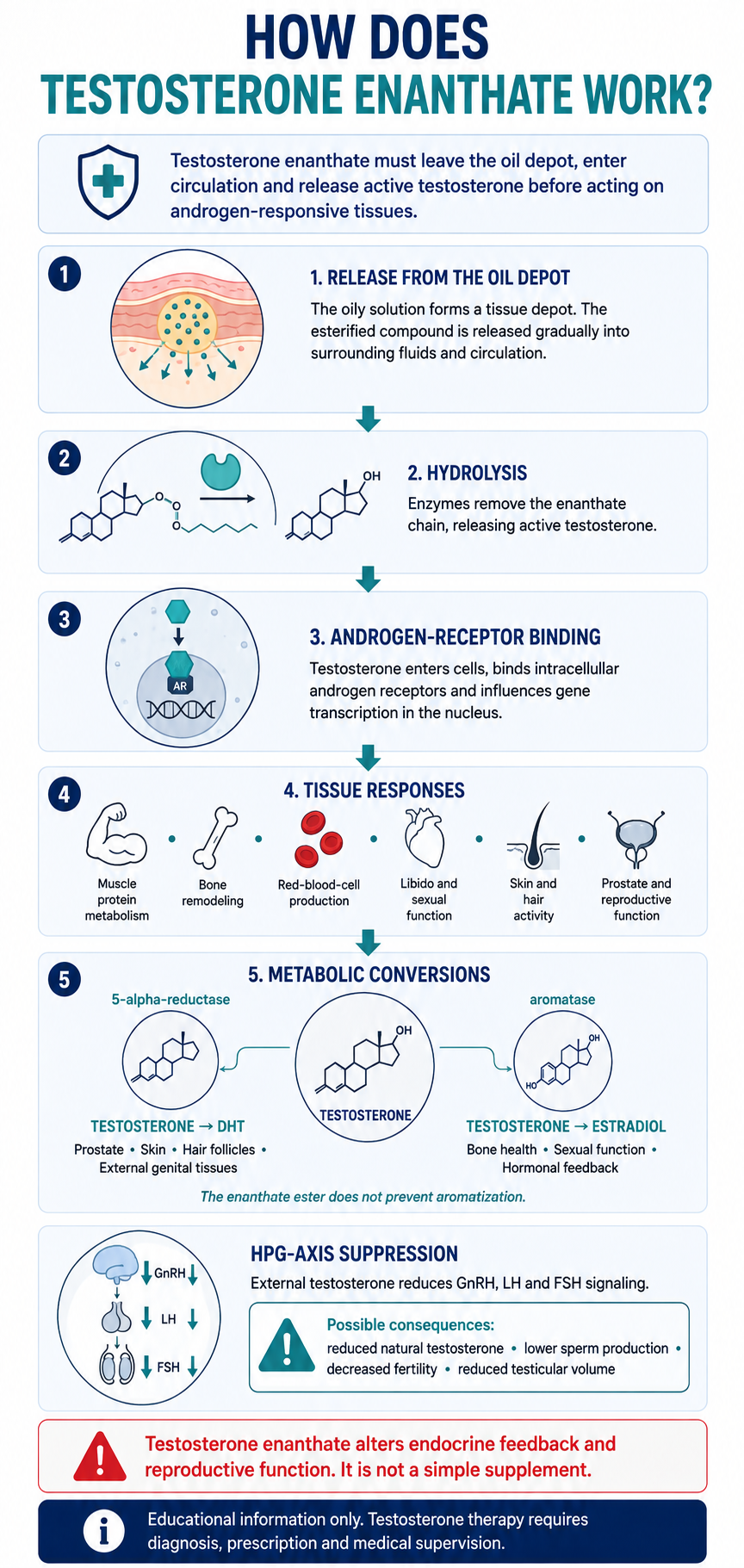
Testosterone enanthate produces its effects through several sequential processes. The compound must leave the oil depot, enter circulation, undergo hydrolysis and release active testosterone before the hormone can interact fully with androgen-responsive tissues.
Release From the Oil Depot
After administration, the oily solution forms a depot within the injected tissue. The esterified compound gradually partitions out of the oil phase and into surrounding fluids and circulation.
The extended release does not occur at a perfectly constant rate. Concentrations can rise after administration and decline as release and elimination continue. The magnitude of those changes depends on the formulation, amount administered, injection interval and individual physiology.
Hydrolysis to Active Testosterone
Enzymes separate the enanthate chain from the testosterone molecule. This hydrolysis produces free testosterone and the corresponding fatty-acid component.
Once the ester has been removed, the testosterone molecule is biologically equivalent to endogenous testosterone. The ester primarily changes delivery and pharmacokinetics rather than creating a different androgen-receptor mechanism.
Androgen-Receptor Activity
Testosterone crosses cell membranes and binds to intracellular androgen receptors. The hormone-receptor complex then moves into the nucleus, where it influences the transcription of androgen-responsive genes.
Androgen-receptor signaling contributes to physiological processes involving:
- Development and maintenance of male secondary sexual characteristics.
- Muscle-protein metabolism.
- Bone remodeling.
- Red-blood-cell production.
- Libido and sexual function.
- Sebaceous-gland activity.
- Hair growth and hair-loss patterns.
- Prostate and reproductive-tissue function.
The response depends on the tissue, androgen-receptor expression, hormone concentration, genetics and local enzyme activity.
Conversion to Dihydrotestosterone and Estradiol
Testosterone can undergo two clinically important metabolic conversions.
The enzyme 5-alpha-reductase converts testosterone into dihydrotestosterone, commonly abbreviated as DHT. DHT binds strongly to androgen receptors and contributes to effects in the prostate, skin, hair follicles and external genital tissues.
The enzyme aromatase converts part of the available testosterone into estradiol. Estradiol contributes to bone health, sexual function and hormonal feedback, but excessive exposure in relation to the individual’s physiology may contribute to breast tenderness, gynecomastia or fluid retention.
Testosterone enanthate therefore possesses both androgenic activity and the capacity to generate estrogenic metabolites. The enanthate ester does not prevent aromatization.
Suppression of Natural Testosterone Production
External testosterone creates negative feedback within the hypothalamic-pituitary-gonadal axis. The hypothalamus can reduce gonadotropin-releasing hormone signaling, while the pituitary reduces luteinizing hormone and follicle-stimulating hormone secretion.
Lower luteinizing hormone signaling reduces endogenous testosterone production inside the testes. Reduced follicle-stimulating hormone activity and lower intratesticular testosterone can impair sperm production.
Consequences may include:
- Reduced natural testosterone production.
- Lower sperm concentration.
- Decreased fertility.
- Reduction in testicular volume.
- Hormonal symptoms after abrupt discontinuation.
This suppressive effect is one reason testosterone should not be described as a simple supplement. It alters the endocrine feedback system and can affect reproductive function even when the user does not experience immediate symptoms.
What Is Testosterone Enanthate Used For?
Testosterone enanthate is primarily used as testosterone replacement therapy for males whose bodies do not produce sufficient natural testosterone. Its purpose is to restore testosterone concentrations toward an appropriate physiological range and improve symptoms associated with a confirmed deficiency.
A healthcare professional should not diagnose testosterone deficiency from symptoms alone. Clinical guidelines generally require compatible signs or symptoms together with consistently low testosterone levels confirmed through repeat morning blood tests.
Testosterone Replacement Therapy for Hypogonadism
Male hypogonadism occurs when the testes do not produce enough testosterone or when the hormonal signals controlling testosterone production are disrupted. It may be classified as:
- Primary hypogonadism: The problem originates in the testes.
- Secondary hypogonadism: The hypothalamus or pituitary gland does not provide the hormonal stimulation needed for normal testosterone production.
- Mixed hypogonadism: Testicular and hormonal-regulation factors are both involved.
Possible symptoms include reduced libido, erectile difficulties, persistent fatigue, loss of muscle mass, decreased bone density, mood changes and reduced body-hair growth. Because these symptoms can also have unrelated causes, laboratory testing and a complete medical evaluation are essential.
When prescribed appropriately, testosterone enanthate may help restore androgen levels and support sexual function, body composition, bone health and general well-being. Results vary according to age, baseline hormone levels, underlying health conditions and treatment adherence.
Testosterone therapy is not an appropriate treatment for normal age-related changes without confirmed hypogonadism.
Testosterone Enanthate for Bodybuilding
Testosterone enanthate is also used outside medical settings for bodybuilding and performance-enhancement purposes. Its anabolic activity can increase muscle protein synthesis, nitrogen retention and the body’s capacity to develop lean mass, particularly when combined with resistance training and adequate nutrition.
However, bodybuilding use is different from medically supervised testosterone replacement therapy. Performance-oriented users frequently seek testosterone levels above the normal physiological range, which can substantially increase the probability of adverse effects.
Potential effects associated with nonmedical use may include:
- Increased lean body mass
- Greater training capacity
- Improved strength
- Faster recovery between training sessions
- Increased red-blood-cell production
- Changes in libido and general energy
These outcomes are not guaranteed. Training history, calorie intake, sleep, genetics, product authenticity and the amount used can all affect the result.
Using testosterone enanthate for physique or athletic enhancement can suppress natural testosterone production and impair fertility. It may also influence blood pressure, hematocrit, cholesterol, mood, skin and estrogen-related activity. Higher exposure generally produces greater endocrine disruption and health risk.
This article does not provide bodybuilding cycles or performance-enhancement dosing protocols. Any use of testosterone should be discussed with a qualified healthcare professional and must comply with applicable medical and sporting regulations.
How Is Testosterone Enanthate Administered?
Conventional testosterone enanthate solutions are generally formulated as oil-based injections. Depending on the specific product and its approved instructions, administration may be intramuscular or, for certain specially designed formulations, subcutaneous.
Geno Pharma Testosterone Enanthate 250mg/ml should only be administered according to its verified packaging, manufacturer documentation and the instructions of a licensed healthcare professional. The route used for another testosterone product should not automatically be applied to this vial.
Before treatment, a clinician may evaluate:
- Total and, when appropriate, free testosterone
- Luteinizing hormone and follicle-stimulating hormone
- Complete blood count and hematocrit
- Blood pressure
- Cardiovascular risk factors
- Prostate health when clinically indicated
- Fertility plans
- Liver function and lipid profile
- Current medications and medical history
Injectable testosterone creates a depot from which the hormone ester is gradually released. The frequency selected by a clinician depends on the formulation, prescribed amount, laboratory results, symptoms and individual response.
Changing the injection amount or interval without medical guidance can cause excessive hormonal peaks, low concentrations between injections or unnecessary adverse effects.
Where Is Testosterone Enanthate Injected?
When a testosterone enanthate product is intended for intramuscular administration, it is injected deeply into an appropriate muscle. The gluteal region is commonly used in clinical practice because it can accommodate oil-based solutions. Other sites may sometimes be selected by a medical professional based on the product, injection volume and patient characteristics.
Site selection matters because incorrect administration can contribute to:
- Pain and prolonged irritation
- Bleeding or bruising
- Infection
- Nerve or blood-vessel injury
- Inconsistent delivery of the medication
- Formation of a persistent lump or inflammatory reaction
A healthcare professional should demonstrate the correct site, equipment, hygiene measures and administration technique before a patient attempts self-injection. Needles and syringes must never be reused or shared, and used equipment should be placed in an approved sharps container.
Medical attention may be necessary if an injection site becomes increasingly painful, red, hot or swollen, especially when these symptoms are accompanied by fever, drainage, numbness or changes in skin color.
Can Testosterone Enanthate Be Injected Subcutaneously?
Some testosterone enanthate formulations are specifically developed and authorized for subcutaneous administration. This does not mean that every testosterone enanthate vial is suitable for that route.
The concentration, carrier oil, viscosity, excipients and product-specific testing can influence how a formulation should be administered. Injecting an intramuscular-only solution under the skin may cause pain, inflammation, nodules or unpredictable absorption.
For Geno Pharma Testosterone Enanthate 250mg/ml, the correct route must be determined from the authentic manufacturer label and professional medical guidance. A consumer should not change from intramuscular to subcutaneous administration simply because another testosterone product uses that method.
Testosterone Enanthate Dosage and 250mg/ml Concentration
The Geno Pharma product is presented as a 10ml vial containing testosterone enanthate at a stated concentration of 250mg/ml.
It is important to distinguish concentration from dose:
- 250mg/ml describes the quantity of testosterone enanthate contained in each milliliter.
- 10ml describes the total nominal volume in the vial.
- 2,500mg is the total nominal amount of testosterone enanthate in the complete vial.
- A prescribed dose is the amount selected for an individual patient by a qualified healthcare professional.
The relationship can be expressed as:
Volume in ml × 250mg/ml = amount of testosterone enanthate in mg
For concentration interpretation only:
| Volume | Amount at 250mg/ml |
|---|---|
| 0.1ml | 25mg |
| 0.2ml | 50mg |
| 0.4ml | 100mg |
| 0.5ml | 125mg |
| 1ml | 250mg |
These calculations are not dosing recommendations. Appropriate treatment cannot be determined from the vial concentration alone.
Why Testosterone Dosage Must Be Individualized
There is no universal testosterone enanthate regimen suitable for every person. Medical dosing and timing may depend on:
- Confirmed diagnosis
- Baseline testosterone concentration
- Age and body composition
- Treatment objectives
- Symptoms and clinical response
- Hematocrit and blood pressure
- Cardiovascular and prostate risk factors
- Fertility considerations
- Adverse effects
- Testosterone levels measured during follow-up
Laboratory timing is also important. Testosterone concentrations can vary between the post-injection peak and the period immediately before the next scheduled injection. Clinicians interpret results in relation to the administration schedule rather than treating every blood measurement as directly comparable.
If concentrations are excessive, symptoms fluctuate significantly or adverse effects appear, a clinician may adjust the amount, frequency or treatment strategy.
How Long Does Testosterone Enanthate Stay in Your System?
Testosterone enanthate is designed to remain active longer than unesterified testosterone. After injection, the oil-based depot releases the compound gradually. Enzymes then separate the enanthate ester, allowing active testosterone to enter circulation.
A half-life of approximately four to five days is often cited for conventional intramuscular testosterone enanthate preparations, but published estimates vary. The actual pharmacokinetic profile can be influenced by:
- Product formulation
- Carrier oil and excipients
- Injection route and site
- Individual metabolism
- Circulation and body composition
- Dose and administration interval
- Duration of previous use
The half-life is not the same as the total time required for a compound to leave the body. Several half-lives may be necessary for concentrations to decline substantially after the final injection.
Pharmacological activity, endocrine suppression and analytical detection are also different concepts. Natural testosterone production may remain suppressed after externally administered testosterone has decreased. Likewise, drug-testing laboratories may detect metabolites beyond the period during which the user notices an effect.
Anyone subject to anti-doping rules should consult the current regulations of the relevant sporting organization rather than relying on a general detection-time estimate.
How Long Does Testosterone Enanthate Take to Work?
Testosterone levels begin changing after an injection, but clinical results do not appear simultaneously. Some effects may be noticed within several weeks, while changes involving muscle mass, fat distribution or bone density generally require months.
The following timeline is approximate and assumes medically supervised treatment in a person with confirmed testosterone deficiency:
| Potential change | General timeframe |
|---|---|
| Changes in sexual interest | Often begins within several weeks |
| Energy or mood changes | Several weeks to a few months |
| Changes in erectile function | May require several months |
| Increased red-blood-cell production | Develops progressively over several months |
| Lean-mass and strength changes | Usually become measurable over several months |
| Reduction in fat mass | Gradual and influenced by diet and activity |
| Bone-density improvement | May require six months or longer |
These periods should not be interpreted as promises. A person may respond earlier, later or not at all. Symptoms such as fatigue, low mood or erectile dysfunction can persist when their underlying cause is unrelated to testosterone.
More medication does not necessarily produce faster or better therapeutic results. Excessive exposure may instead increase water retention, acne, elevated hematocrit, blood-pressure changes and hormonal instability.
Testosterone Enanthate Before and After
Before-and-after expectations should be realistic and based on measurable clinical outcomes rather than dramatic promotional images. In appropriately diagnosed patients, treatment aims to correct deficient testosterone levels and address related symptoms.
| Before treatment | Possible outcome with supervised treatment |
|---|---|
| Confirmed low testosterone | Testosterone moves toward the clinician’s target range |
| Reduced sexual desire | Libido may improve gradually |
| Low energy | Some patients report improved vitality |
| Reduced lean mass | Lean mass may increase with adequate nutrition and exercise |
| Increased fat mass | Body composition may improve gradually |
| Reduced bone density | Bone mineral density may increase over time |
| Low mood related to deficiency | Mood or sense of well-being may improve |
| Reduced red-blood-cell production | Hemoglobin and hematocrit may rise |
A rise in hematocrit illustrates why not every “before and after” change is automatically beneficial. Correcting anemia may be helpful in selected patients, but an excessive increase can thicken the blood and require treatment adjustment or interruption.
Photographs cannot confirm hormonal status, product quality or medical safety. Reliable assessment uses symptoms, physical examination and properly timed laboratory testing.
Testosterone Enanthate Benefits
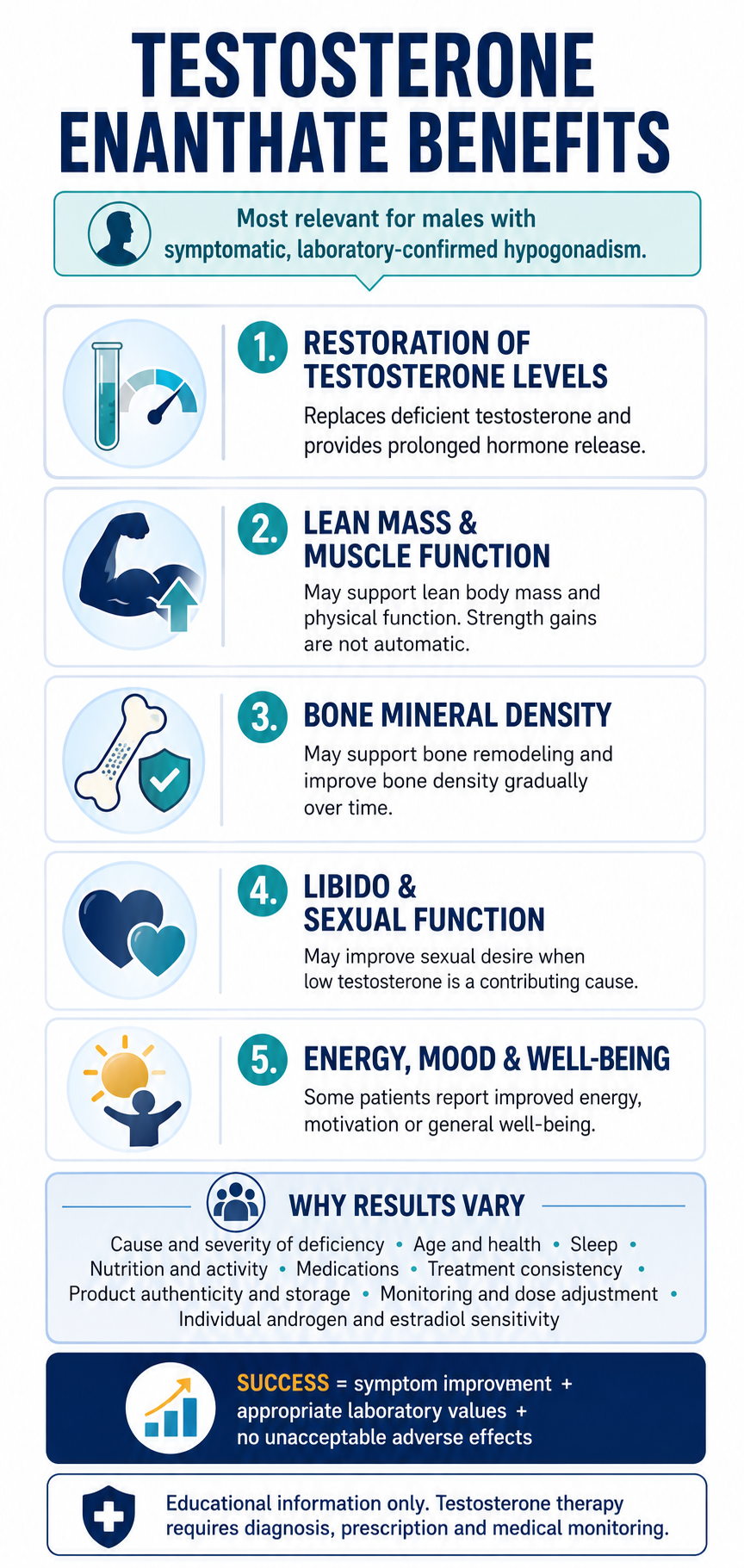
The potential benefits of testosterone enanthate are most clinically relevant in males with symptomatic, laboratory-confirmed hypogonadism. Treatment is intended to restore deficient androgen activity—not to guarantee a particular physique or athletic result.
Restoration of Testosterone Levels
The principal therapeutic benefit is the replacement of testosterone that the body cannot produce adequately. Because the enanthate ester provides a prolonged release, injections can maintain testosterone exposure longer than short-acting preparations.
The goal is generally to achieve an appropriate physiological range while controlling symptoms and limiting adverse effects.
Lean Mass and Muscle Function
Testosterone supports muscle protein synthesis and helps maintain lean tissue. In men with genuine testosterone deficiency, replacement therapy may increase lean body mass and improve aspects of physical function.
Strength gains are not automatic. Resistance training, nutrition, recovery, age, illness and neuromuscular health continue to influence performance.
Bone Mineral Density
Androgen deficiency can contribute to reduced bone density and an increased risk of osteoporosis. Testosterone replacement may support bone remodeling and improve bone mineral density over time, particularly in individuals starting with deficient hormone levels.
Bone-related benefits develop slowly and may require extended treatment, sufficient vitamin D and calcium, weight-bearing activity and management of other osteoporosis risk factors.
Libido and Sexual Function
Low testosterone can reduce sexual desire. Restoring deficient levels may improve libido and, in some patients, sexual activity or erectile function.
Erectile dysfunction frequently has multiple causes, including vascular disease, diabetes, medication effects, psychological factors and neurological conditions. Testosterone may not resolve erectile difficulties when androgen deficiency is not the primary cause.
Energy, Mood and Well-Being
Some hypogonadal patients experience improvements in energy, motivation or general well-being after treatment. Nevertheless, fatigue and low mood are nonspecific symptoms that may also be associated with sleep disorders, depression, thyroid dysfunction, chronic illness, nutritional deficiencies or medication use.
A lack of improvement should prompt clinical reassessment rather than automatic dose escalation.
Why Individual Results Vary
The response to testosterone enanthate depends on more than the product concentration. Relevant factors include:
- Severity and cause of testosterone deficiency
- Age and overall health
- Sleep quality and possible sleep apnea
- Nutrition and physical activity
- Alcohol or substance use
- Concurrent medications
- Treatment consistency
- Authenticity and storage of the product
- Monitoring and dose adjustment
- Personal sensitivity to androgens and estradiol
The safest measure of treatment success is a combination of symptom improvement, appropriate laboratory values and the absence of unacceptable adverse effects.
Testosterone Enanthate Side Effects and Warnings
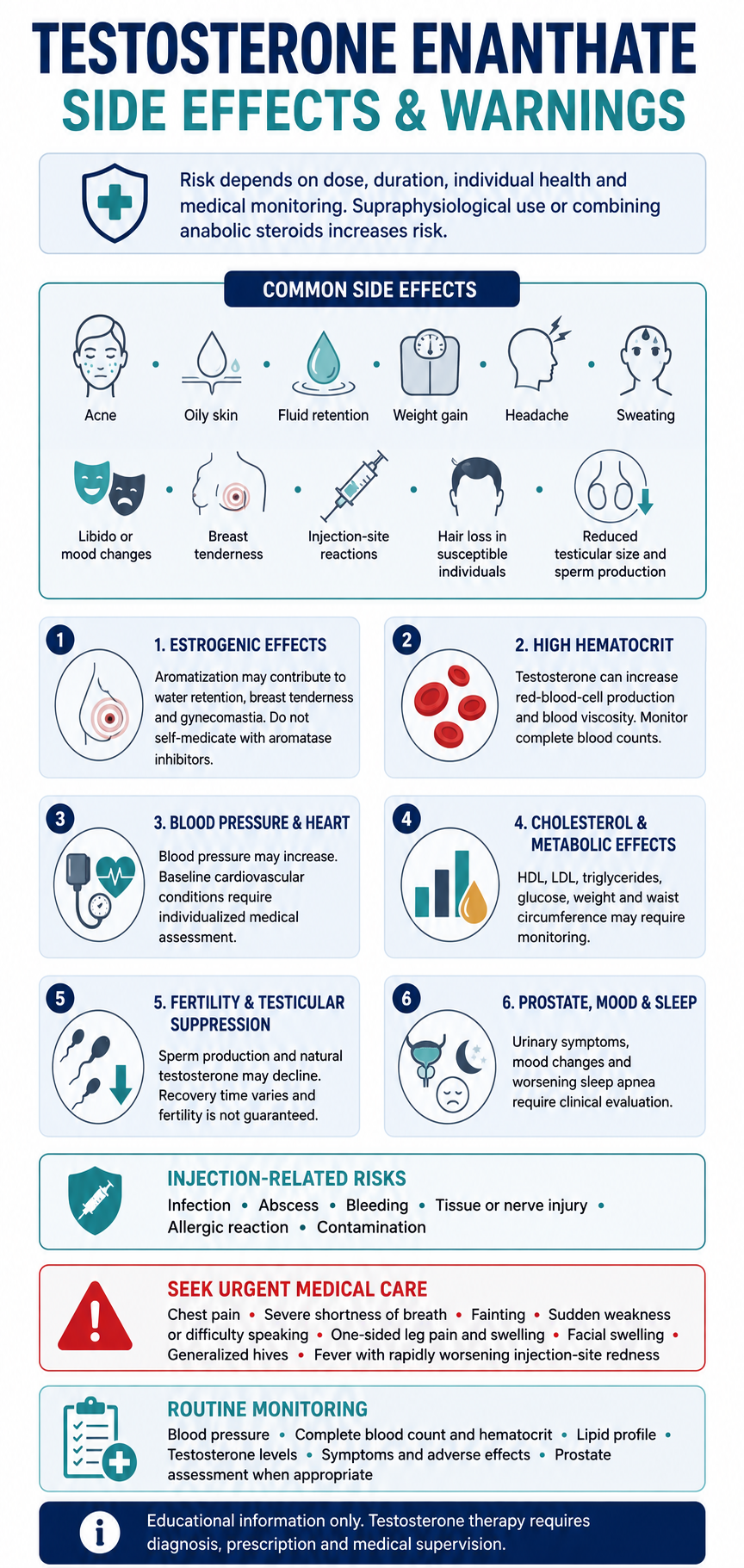
Testosterone enanthate can produce clinically meaningful benefits in appropriately diagnosed patients, but it can also cause adverse effects. The probability and severity of these effects depend on the amount administered, duration of use, individual susceptibility, underlying health conditions and whether treatment is medically monitored.
Using testosterone at supraphysiological levels or combining it with other anabolic-androgenic steroids generally increases the risk.
Common Side Effects
Possible adverse effects include:
- Acne and oily skin
- Increased body or facial hair
- Accelerated scalp hair loss in genetically susceptible individuals
- Fluid retention
- Weight gain
- Headache
- Increased sweating
- Changes in libido
- Mood changes or irritability
- Breast tenderness or enlargement
- Injection-site pain, redness or swelling
- Reduction in testicular size
- Decreased sperm production
The appearance of a side effect does not always require immediate discontinuation, but it should prompt medical evaluation. Attempting to correct symptoms by independently adding other hormones or medications can create additional risks.
Estrogenic Effects and Gynecomastia
Testosterone enanthate can be converted into estradiol through the aromatase enzyme. Estradiol contributes to bone health, sexual function and other physiological processes, so its presence is not inherently harmful.
Problems can develop when hormonal exposure becomes excessive or when the balance between testosterone and estradiol changes significantly. Possible estrogen-related symptoms include:
- Water retention
- Breast tenderness
- Gynecomastia
- Changes in libido
- Emotional variability
Gynecomastia is the development of glandular breast tissue rather than simple fat accumulation. It should be assessed clinically because breast enlargement can have several causes.
Using an aromatase inhibitor without laboratory evidence and medical supervision may reduce estradiol excessively, potentially affecting joints, libido, mood, cholesterol and bone health.
Increased Hematocrit and Polycythemia
Testosterone can stimulate red-blood-cell production. This effect may be beneficial in selected hypogonadal patients with anemia, but an excessive rise in hematocrit can increase blood viscosity.
Possible warning signs include:
- Persistent headaches
- Facial redness
- Dizziness
- Reduced exercise tolerance
- Unexplained fatigue
- Elevated blood pressure
A high hematocrit may require treatment adjustment, temporary interruption or further medical evaluation. Complete blood counts should therefore form part of routine monitoring.
Blood Pressure and Cardiovascular Considerations
Testosterone may increase blood pressure in some patients. In 2025, the FDA required class-wide blood-pressure warnings for testosterone products after ambulatory monitoring studies identified increases across multiple formulations.
At the same time, the FDA removed the previous boxed-warning language about an increased risk of major adverse cardiovascular outcomes after reviewing the TRAVERSE trial. This change does not mean testosterone is cardiovascularly risk-free. Blood pressure, hematocrit, fluid retention, lipid changes and the patient’s baseline cardiovascular condition remain clinically important. FDA class-wide labeling changes
People with hypertension, heart failure, previous cardiovascular events, kidney disease or multiple cardiovascular risk factors require individualized assessment.
Chest pain, severe shortness of breath, fainting, sudden weakness, difficulty speaking or pain and swelling in one leg require urgent medical attention.
Cholesterol and Metabolic Effects
Androgen exposure can affect lipid values. Changes may include reduced HDL cholesterol or increased cardiovascular risk when testosterone is used at excessive levels, especially when combined with other anabolic steroids.
Monitoring may include:
- Total cholesterol
- HDL cholesterol
- LDL cholesterol
- Triglycerides
- Blood glucose or HbA1c when indicated
- Body weight and waist circumference
Exercise and nutrition remain important, but they cannot guarantee protection from medication-related lipid changes.
Fertility and Testicular Suppression
Externally administered testosterone reduces the pituitary release of luteinizing hormone and follicle-stimulating hormone. As a result, intratesticular testosterone and sperm production can decrease substantially.
Possible consequences include:
- Reduced sperm count
- Temporary or prolonged infertility
- Testicular shrinkage
- Reduced natural testosterone production
- Delayed hormonal recovery after discontinuation
Recovery is variable and cannot be guaranteed within a specific period. Men planning to have children should discuss fertility-preserving alternatives with an endocrinologist, urologist or reproductive specialist before starting testosterone.
The Endocrine Society recommends against initiating testosterone therapy in men planning fertility in the near term.
Prostate and Urinary Effects
Testosterone can stimulate androgen-responsive prostate tissue. Some patients may experience increased prostate volume or worsening urinary symptoms, such as:
- Difficulty beginning urination
- Weak urinary stream
- Increased nighttime urination
- Incomplete bladder emptying
- Increased urinary frequency
Testosterone therapy has not been established as a direct cause of prostate cancer, but it may be inappropriate in patients with known or suspected androgen-sensitive malignancy. Prostate evaluation should be based on age, symptoms, risk factors and shared decision-making with a healthcare professional.
Mood, Sleep and Behavioral Changes
Some patients report changes in mood, energy or sleep after starting testosterone. Excessive or fluctuating exposure may contribute to:
- Irritability
- Anxiety
- Aggressive behavior
- Emotional instability
- Insomnia
- Depressive symptoms
Testosterone may also worsen untreated obstructive sleep apnea in susceptible individuals. Loud snoring, witnessed pauses in breathing, morning headaches and persistent daytime sleepiness should be evaluated.
Severe depression, suicidal thoughts, hallucinations or dangerous behavioral changes require immediate medical assistance.
Injection-Related Risks
Any injectable product carries risks that are separate from the hormone’s systemic effects. These include:
- Local infection
- Abscess formation
- Bleeding or bruising
- Tissue irritation
- Nerve or blood-vessel injury
- Allergic reaction to an excipient
- Contamination from incorrect handling
- Transmission of infection when equipment is shared
Severe pain, rapidly increasing redness, fever, drainage, difficulty breathing, facial swelling or generalized hives require prompt medical care.
Precautions, Contraindications and Monitoring
Testosterone enanthate should be considered only after confirming an appropriate diagnosis and reviewing relevant risks. Symptoms alone are insufficient because fatigue, sexual dysfunction and loss of strength can result from numerous medical conditions.
The Endocrine Society states that hypogonadism requires compatible symptoms together with consistently low, accurately measured testosterone concentrations. Its July 2026 statement continues to emphasize accurate diagnosis rather than treating symptoms or normal aging alone. Endocrine Society statement on testosterone replacement therapy
When Testosterone Therapy May Be Inappropriate
Clinical guidelines recommend against beginning testosterone in patients with conditions such as:
- Known or suspected prostate cancer
- Male breast cancer
- Elevated hematocrit
- Untreated severe obstructive sleep apnea
- Severe lower urinary-tract symptoms
- Uncontrolled heart failure
- A recent heart attack or stroke
- Thrombophilia or significant clotting risk
- Near-term fertility plans
- An unexplained prostate nodule or significantly elevated PSA without further evaluation
Contraindications can vary by product and jurisdiction. The verified prescribing information for the specific formulation must always take priority.
Medical Evaluation Before Treatment
A baseline evaluation may include:
| Assessment | Purpose |
|---|---|
| Two morning testosterone measurements | Confirm consistently low testosterone |
| LH and FSH | Help distinguish primary from secondary hypogonadism |
| Complete blood count and hematocrit | Identify elevated red-blood-cell concentration |
| Blood pressure | Establish a cardiovascular baseline |
| PSA and prostate evaluation when indicated | Assess prostate-related risk |
| Lipid profile | Identify cardiovascular risk factors |
| Liver and kidney tests | Evaluate general health and medication suitability |
| Fertility history | Identify potential reproductive consequences |
| Sleep-apnea assessment | Detect a condition that testosterone may worsen |
| Medication review | Identify interactions and alternative causes of symptoms |
Additional testing may be required when pituitary disease, genetic conditions, thyroid dysfunction, high prolactin or other endocrine disorders are suspected.
Ongoing Monitoring
Medical follow-up should evaluate symptoms, adverse effects, injection tolerance and laboratory response. A typical monitoring plan may include:
- Testosterone concentration at a time appropriate to the injection schedule
- Hemoglobin and hematocrit
- Blood pressure
- PSA and prostate symptoms when indicated
- Lipid profile
- Fertility concerns
- Sleep quality
- Mood and behavioral changes
- Acne, edema or breast symptoms
Guidelines commonly recommend reassessment within the first several months after treatment begins and periodically afterward. The exact schedule should be individualized.
Relevant Drug Interactions
Testosterone may interact with:
- Anticoagulants
- Insulin and other glucose-lowering medications
- Corticosteroids
- Medications that promote fluid retention
- Other androgens or anabolic steroids
- Drugs that alter liver-enzyme activity
A clinician should review prescription medications, over-the-counter drugs and supplements before treatment.
How to Store Testosterone Enanthate
Storage conditions must follow the authentic Geno Pharma label. Oil-based testosterone solutions are commonly stored at controlled room temperature and protected from excessive heat, freezing and direct light, but requirements can differ between manufacturers.
General precautions include:
- Keep the vial in its original packaging.
- Store it away from children and unauthorized users.
- Do not expose it to direct sunlight or excessive heat.
- Do not freeze the solution.
- Keep the stopper and vial exterior clean and dry.
- Do not use a vial with a damaged seal.
- Check the expiration date before use.
- Inspect the solution for particles, discoloration or unexpected cloudiness.
- Never transfer the contents into an unmarked container.
Temperature changes can sometimes cause crystallization in concentrated oil-based solutions. A pharmacist or manufacturer should be consulted before using a product with crystals. Improvised heating methods can damage the product or create contamination and burn risks.
A multi-dose vial should be handled using aseptic technique. A needle that has contacted the skin must never be inserted back into the vial.
How to Support Safe and Effective Treatment Results
Successful testosterone therapy requires more than administering an injection. The objective is to improve clinically relevant symptoms while maintaining appropriate laboratory values and minimizing adverse effects.
Important measures include:
- Confirm the diagnosis. Treatment should be based on symptoms and repeated laboratory testing.
- Use the verified product instructions. Concentration does not determine the appropriate route or regimen.
- Attend scheduled monitoring. Laboratory changes may occur without obvious symptoms.
- Measure blood pressure regularly. Testosterone can increase blood pressure in some patients.
- Maintain cardiovascular health. Nutrition, exercise, sleep and smoking cessation remain important.
- Discuss fertility before treatment. Testosterone can suppress sperm production.
- Avoid independent medication combinations. Adding other steroids or hormone-modifying drugs increases complexity and risk.
- Use sterile equipment. Never reuse or share needles and syringes.
- Report adverse effects early. Early evaluation can prevent minor problems from becoming serious.
- Verify product authenticity. Incorrect concentration or contamination can make clinical monitoring unreliable.
Increasing the amount when progress appears slow is not a safe substitute for medical reassessment.
Testosterone Enanthate vs Testosterone Cypionate
Testosterone enanthate and testosterone cypionate are long-acting injectable testosterone esters. After enzymatic cleavage, both deliver active testosterone. Their clinical effects are therefore more similar than different.
| Characteristic | Testosterone Enanthate | Testosterone Cypionate |
|---|---|---|
| Active hormone after ester removal | Testosterone | Testosterone |
| Ester | Enanthate | Cypionate |
| Conventional route | Intramuscular; product-specific exceptions exist | Primarily intramuscular; practices vary by formulation |
| Duration | Long-acting | Long-acting |
| Common U.S. concentration | Often 200mg/ml | Often 200mg/ml |
| Geno Pharma presentation discussed here | 250mg/ml, 10ml vial | Not applicable |
| Main differences | Ester weight, formulation, availability and excipients | Ester weight, formulation, availability and excipients |
| Medical monitoring | Testosterone, hematocrit, blood pressure and other risk-based testing | Similar monitoring requirements |
Cypionate has a slightly larger ester, but the practical difference in duration is usually modest. Neither ester is universally “stronger.” Concentration, administered amount, formulation, schedule and individual response have more clinical relevance than the ester name alone.
Carrier oils and preservatives can differ. A patient who tolerates one formulation may react differently to another even when the active hormone is similar.
Is Testosterone Enanthate Legal in the United States?
Testosterone is a prescription medication and a Schedule III controlled substance in the United States. The DEA specifically identifies testosterone and anabolic steroids as Schedule III substances.
Testosterone enanthate can be legally obtained when:
- A licensed healthcare professional issues a valid prescription.
- The medication is dispensed through a legally authorized pharmacy.
- Federal and state controlled-substance requirements are followed.
- The prescribed product is used by the person for whom it was issued.
Possession without a valid prescription, unauthorized distribution and illegal importation can result in criminal or regulatory consequences. State requirements may impose additional restrictions.
The fact that a product is available through a website does not establish that the transaction, product or seller is lawful. Consumers should verify pharmacy licensing and prescription requirements before purchasing testosterone enanthate online.
Testosterone Enanthate in Competitive Sports
Testosterone is classified as an anabolic agent and is prohibited at all times under anti-doping systems that follow the World Anti-Doping Code. A medical prescription alone may not authorize an athlete to use it in competition. A valid Therapeutic Use Exemption may be required. USADA testosterone guidance in anti-doping cases
Athletes should confirm the current rules with their governing organization before beginning treatment.
Testosterone Enanthate Price in the United States
The price of testosterone enanthate varies according to:
- Brand or generic status
- Concentration and vial size
- Pharmacy
- Geographic location
- Insurance coverage
- Discount programs
- Medical consultation and laboratory costs
- Product availability
As an August 2026 reference, one U.S. price guide lists approximately $105 for a 5ml vial of a 200mg/ml branded intramuscular product, although pharmacy prices and discounts can change. Current U.S. price reference
This reference should not be directly applied to Geno Pharma Testosterone Enanthate 250mg/ml in a 10ml vial. The concentration, total volume, manufacturer, regulatory status and distribution channel are different.
A complete treatment-cost comparison should consider more than the vial price:
| Cost component | Possible expense |
|---|---|
| Initial medical consultation | Diagnostic assessment |
| Laboratory testing | Baseline and follow-up blood tests |
| Medication | Depends on formulation and insurance |
| Administration supplies | Syringes, needles and sharps container |
| Follow-up visits | Treatment evaluation and adjustment |
| Management of adverse effects | Additional testing or specialist care |
An unusually low price can indicate counterfeit, expired, diluted or improperly stored merchandise. A high price does not guarantee authenticity.
Frequently Asked Questions
Is testosterone enanthate the same as testosterone?
Testosterone enanthate is an esterified form of testosterone. The enanthate ester slows release from the injection depot. After the ester is removed, the active hormone is testosterone.
What does Testosterone Enanthate 250mg/ml mean?
It means the stated concentration is 250mg of testosterone enanthate per milliliter of solution. It does not mean that every person should administer 250mg.
How much testosterone enanthate is in a 10ml vial?
At a concentration of 250mg/ml, a 10ml vial nominally contains 2,500mg of testosterone enanthate in total.
Is Geno Pharma Testosterone Enanthate FDA-approved?
FDA approval should not be assumed from the product name, packaging or online availability. Regulatory authorization must be confirmed through official databases for the exact manufacturer and product.
Do I need a prescription to buy testosterone enanthate in the United States?
Yes. Testosterone is a Schedule III controlled substance and requires a valid prescription when legally obtained in the United States.
Can testosterone enanthate build muscle?
Testosterone has anabolic activity and can increase lean mass, especially when testosterone deficiency is corrected. Supraphysiological bodybuilding use is different from medical therapy and carries greater risk.
Does testosterone enanthate aromatize?
Yes. Testosterone can be converted into estradiol by the aromatase enzyme. The degree of conversion varies among individuals.
Can testosterone enanthate cause hair loss?
It may accelerate androgen-related scalp hair loss in genetically susceptible individuals. Not every user experiences this effect.
Can testosterone enanthate cause acne?
Yes. Increased sebaceous-gland activity can contribute to oily skin and acne, particularly when androgen exposure is high.
Does testosterone enanthate affect fertility?
Yes. Exogenous testosterone can suppress LH, FSH and sperm production. Men planning children should seek specialist advice before starting treatment.
Is testosterone enanthate suitable for women?
It is not a routine wellness or bodybuilding treatment for women. Exposure can cause acne, menstrual changes, body-hair growth, scalp hair loss, voice deepening and clitoral enlargement. Some virilizing changes may be irreversible. Any specialized medical use requires close professional supervision.
Should testosterone enanthate be refrigerated?
Not unless the authentic manufacturer instructions specifically require it. Many oil-based testosterone products are stored at controlled room temperature and protected from excessive heat and light.
Can a 250mg/ml vial be injected subcutaneously?
Not automatically. The correct route depends on the individual formulation. A product labeled only for intramuscular use should not be administered subcutaneously without manufacturer-supported instructions and medical guidance.
How can I identify counterfeit testosterone enanthate?
Check the batch number, expiration date, seal, label quality, packaging consistency and any official manufacturer-verification system. Counterfeits can reproduce visual features, so appearance alone cannot establish authenticity. Laboratory analysis is the strongest method of confirming identity and concentration.
Is testosterone enanthate prohibited in sports?
Yes. Testosterone is prohibited at all times under anti-doping rules based on the World Anti-Doping Code unless the athlete has an approved Therapeutic Use Exemption.
Final Considerations
Geno Pharma Testosterone Enanthate 250mg 10ml is presented as a concentrated, long-acting injectable testosterone product. Its stated 250mg/ml concentration provides a nominal total of 2,500mg per vial, but concentration should never be confused with an appropriate personal dose.
Testosterone enanthate has established medical relevance for selected patients with confirmed hypogonadism. It can also affect fertility, hematocrit, blood pressure, lipids, prostate symptoms, mood and endocrine function. The balance between benefits and risks depends on correct diagnosis, product authenticity, individualized treatment and continuing medical monitoring.
Anyone searching for testosterone enanthate for sale should consider prescription requirements, pharmacy authorization, regulatory status, storage history and product verification—not only price or advertised concentration. Online availability does not prove legality, authenticity, purity or suitability for treatment.
References
Bhasin, S., Storer, T. W., Berman, N., Callegari, C., Clevenger, B., Phillips, J., Bunnell, T. J., Tricker, R., Shirazi, A., & Casaburi, R. (1996). The effects of supraphysiologic doses of testosterone on muscle size and strength in normal men. The New England Journal of Medicine, 335(1), 1–7. https://doi.org/10.1056/NEJM199607043350101
Bhasin, S., Brito, J. P., Cunningham, G. R., Hayes, F. J., Hodis, H. N., Matsumoto, A. M., Snyder, P. J., Swerdloff, R. S., Wu, F. C. W., & Yialamas, M. A. (2018). Testosterone therapy in men with hypogonadism: An Endocrine Society clinical practice guideline. The Journal of Clinical Endocrinology & Metabolism, 103(5), 1715–1744. https://doi.org/10.1210/jc.2018-00229
Crosnoe, L. E., Grober, E., Ohl, D., & Kim, E. D. (2013). Exogenous testosterone: A preventable cause of male infertility. Translational Andrology and Urology, 2(2), 106–113. https://doi.org/10.3978/j.issn.2223-4683.2013.06.01
Drugs.com. (n.d.). Testosterone enanthate prices, coupons, copay cards, and patient assistance. Retrieved August 24, 2026, from https://www.drugs.com/price-guide/delatestryl
Endocrine Society. (2026, July 16). Statement on testosterone replacement therapy. https://www.endocrine.org/news-and-advocacy/news-room/2026/statement-on-testosterone-replacement-therapy
Eugia US LLC. (2025, July). Testosterone enanthate injection, USP [Prescribing information]. DailyMed, U.S. National Library of Medicine. https://dailymed.nlm.nih.gov/dailymed/drugInfo.cfm?setid=82a98132-9d5f-40a5-8c4f-f52f2a5de60e
Gårevik, N., Rane, A., Björkhem-Bergman, L., & Ekström, L. (2014). Effects of different doses of testosterone on gonadotropins, 25-hydroxyvitamin D3, and blood lipids in healthy men. Substance Abuse and Rehabilitation, 5, 121–127. https://doi.org/10.2147/SAR.S71285
Geno Pharma. (n.d.). Testosterone enanthate injection 250 mg/mL, 10 mL [Product label and packaging information].
Lincoff, A. M., Bhasin, S., Flevaris, P., Mitchell, L. M., Basaria, S., Boden, W. E., Cunningham, G. R., Granger, C. B., Khera, M., Thompson, I. M., Jr., Wang, Q., Wolski, K., Davey, D., Kalahasti, V., Khan, N., Miller, M. G., Snabes, M. C., Chan, A., Dubcenco, E., . . . Nissen, S. E. (2023). Cardiovascular safety of testosterone-replacement therapy. The New England Journal of Medicine, 389(2), 107–117. https://doi.org/10.1056/NEJMoa2215025
Masterson, T. A., Turner, D., Vo, D., Blachman-Braun, R., Best, J. C., Westfield, G., Bryson, N., & Ramasamy, R. (2021). The effect of longer-acting versus shorter-acting testosterone therapy on follicle-stimulating hormone and luteinizing hormone. Sexual Medicine Reviews, 9(1), 143–148. https://doi.org/10.1016/j.sxmr.2020.07.006
National Center for Biotechnology Information. (n.d.). PubChem compound summary for CID 9416: Testosterone enanthate. PubChem. Retrieved August 24, 2026, from https://pubchem.ncbi.nlm.nih.gov/compound/9416
Saad, F., Aversa, A., Isidori, A. M., Zafalon, L., Zitzmann, M., & Gooren, L. (2011). Onset of effects of testosterone treatment and time span until maximum effects are achieved. European Journal of Endocrinology, 165(5), 675–685. https://doi.org/10.1530/EJE-11-0221
Snyder, P. J., Kopperdahl, D. L., Stephens-Shields, A. J., Ellenberg, S. S., Cauley, J. A., Ensrud, K. E., Lewis, C. E., Barrett-Connor, E., Schwartz, A. V., Lee, D. C., Bhasin, S., Cunningham, G. R., Gill, T. M., Matsumoto, A. M., Swerdloff, R. S., Basaria, S., Diem, S. J., Wang, C., Hou, X., . . . Keaveny, T. M. (2017). Effect of testosterone treatment on volumetric bone density and strength in older men with low testosterone: A controlled clinical trial. JAMA Internal Medicine, 177(4), 471–479. https://doi.org/10.1001/jamainternmed.2016.9539
U.S. Drug Enforcement Administration. (n.d.). Drug scheduling. Retrieved August 24, 2026, from https://www.dea.gov/drug-information/drug-scheduling
U.S. Food and Drug Administration. (2025, February 28). FDA issues class-wide labeling changes for testosterone products. https://www.fda.gov/drugs/drug-alerts-and-statements/fda-issues-class-wide-labeling-changes-testosterone-products
World Anti-Doping Agency. (2026). The 2026 prohibited list. https://www.wada-ama.org/en/resources/world-anti-doping-program/prohibited-list
Author and Medical Review
Written by Dr. Michael R. Anderson, MD
Dr. Michael R. Anderson is a U.S.-based physician with clinical experience in men’s health, hormone optimization, and testosterone replacement therapy education. His editorial work focuses on making medical and pharmaceutical information easier to understand while maintaining accuracy, safety, and evidence-based standards.
Medical Review by Dr. James P. Carter, MD, FACE
This article was medically reviewed by Dr. James P. Carter, a board-certified endocrinologist in the United States with experience in male hypogonadism, testosterone therapy, endocrine disorders, and long-term hormone monitoring.
Second Editorial Review by Sarah Mitchell, PharmD
A second editorial review was completed by Sarah Mitchell, PharmD, a licensed U.S. pharmacist specializing in medication safety, injectable therapies, product labeling, storage guidance, and patient education.
Editorial Standards
This content was created following EEAT principles: professional medical authorship, clinical review, pharmacy-focused fact checking, use of authoritative references, and a clear separation between educational information and medical advice. The article is intended for informational purposes only and should not replace consultation with a licensed healthcare professional.




Reviews
There are no reviews yet.